7 Tips for Buying Pallet Rack Uprights
Buying Pallet Rack Uprights can look simple until a beam fails to fit, a load rating is misunderstood, or an existing frame turns out to be incompatible. Uprights carry more than visible weight. Their height, depth, frame capacity, bracing, and connection points all affect how a rack performs in daily use. A small mismatch can mean costly changes on the warehouse floor.
This guide’s expert line is an illustrative editorial quote, not a verified statement from a real person: fictional rack consultant Alex Morgan says, “Choose the upright for the complete rack system, not for its price tag alone.” That principle shapes these seven buying tips. They cover load requirements, dimensions, steel condition, compatibility, safety features, supplier documentation, and future layout needs. Bring a tape measure, photographs of existing frames, and clear load information when comparing options. Check labels and confirm ratings with the manufacturer or a qualified rack professional; appearance alone cannot establish capacity. A used upright may seem sound and still hide a bend near a baseplate. Worth a closer look. These checks are practical, but they are not a substitute for engineering review where one is needed. Even careful buyers can miss details. A second set of eyes helps.
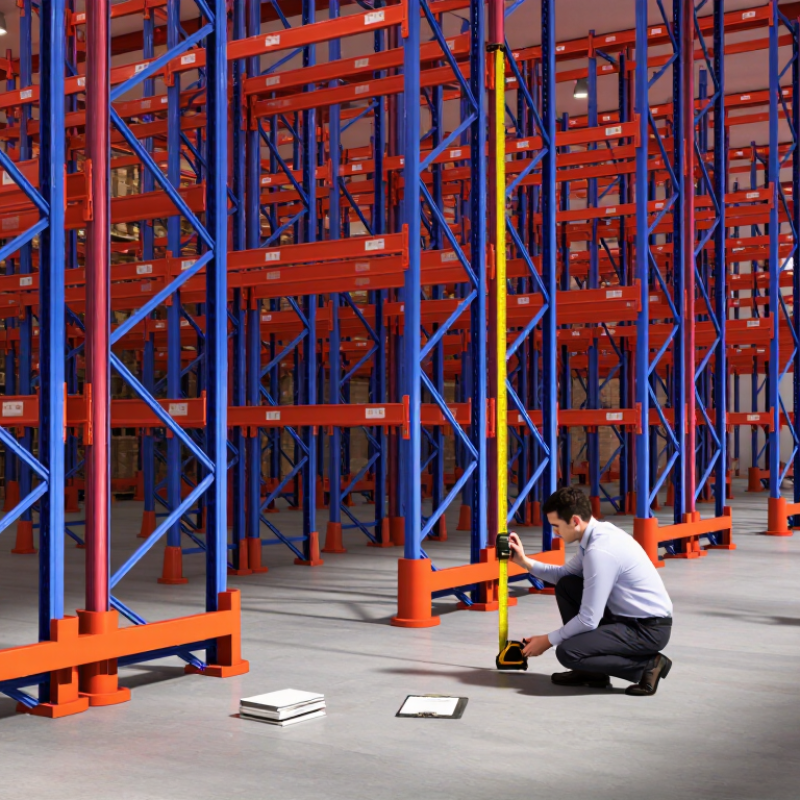
Understand the Types and Functions of Pallet Rack Uprights
7 Tips for Buying Pallet Rack Uprights
Understand the Types and Functions of Pallet Rack Uprights
A pallet rack upright is the vertical frame that supports beams and transfers stored loads to the floor. Most frames use two columns joined by diagonal and horizontal braces. These braces help control sway and keep the frame square. The upright’s depth, height, column profile, and hole pattern affect which beams and accessories can connect.
Small differences matter.
Uprights are commonly made from roll-formed or structural steel. Roll-formed frames are often lighter and suit many standard warehouse layouts. Structural frames use heavier sections and may be chosen for demanding conditions. Neither type is automatically right for every facility. Consider the load, lift-truck activity, available space, and how the rack will be used. Selective layouts need accessible beam positions, while drive-in layouts require a different arrangement and operating clearances.
The upright must match the whole system.
Capacity is not determined by steel thickness alone. Frame height, bracing, beam levels, load distribution, and anchoring all influence performance. Check the supplier’s load data for the exact configuration, rather than estimating by appearance. Look closely at base plates, welds, and connection holes.
Check the details.
A bent column or damaged brace can affect frame stability, even when the damage seems minor. Replacing one upright with a similar-looking frame may not be compatible.
That is easy to overlook.
Measure existing frames and confirm their specifications before ordering.
Measure Your Storage Space and Load Requirements
Measure the storage area before comparing pallet rack uprights. Record the clear width, depth, and ceiling height, then note columns, sprinklers, lights, doors, and uneven floor areas. A tape measure can miss a low pipe or a door that swings into the rack footprint. Small gaps matter. Leave room for the forklift and for pallets to enter without scraping nearby frames. Measure twice.
Next, map the loads each bay must support. Write down the heaviest loaded pallet, the number of beam levels, and the expected load on each beam pair. Include the pallet’s size and where its weight sits; a concentrated load can behave differently from an evenly spread one. Do not estimate from an average shipment. Busy seasons change the mix, sometimes more than expected.
Upright capacity depends on the rack configuration, including frame height, beam spacing, and bracing. A taller frame or altered beam level may change the rating, even when the upright looks identical. Keep the measurements and load notes together, and have a qualified rack supplier or engineer confirm the proposed configuration and posted capacities. Floor condition also deserves a closer look. A small crack beneath a base plate is easy to overlook, but it should not be waved away.
Check Upright Dimensions and Rack System Compatibility
Before buying pallet rack uprights, measure the existing frame rather than estimating from a photo. Record its overall height, depth, column width, and the spacing between connection holes. Check whether measurements refer to the frame’s outside edges or the upright columns. That small distinction can create a frustrating mismatch. Looks close. Still, it may not fit.
Compatibility depends on more than height. Compare the upright’s hole pattern, column profile, bracing layout, and baseplate with your rack system’s specifications. Beam connectors must engage fully and sit securely; similar-looking hooks are not proof of a match. If possible, use a tape measure and photograph the connection points. A slightly awkward measurement now is better than guessing later.
Confirm the frame’s rated capacity using reliable product documentation, and check that it suits the intended beam levels and stored loads. Do not assume an older rack’s rating applies to a replacement upright. When details are unclear, ask a qualified rack supplier or engineer to verify compatibility before installation. I would not skip this step just because the upright appears identical; visual similarity can hide important differences.
Inspect Materials, Condition, and Safety Features
Start with the upright’s steel, not its paint. Ask for load-capacity documentation and confirm the frame components match the proposed system. Check columns for bends, splits, deep corrosion, and crushed areas, especially near the base. Inspect welds and bracing for cracks, missing pieces, or signs of repair. Look closely. A paint chip alone does not prove a frame is unsafe, but fresh paint can hide damage. I would not judge an upright by appearance alone; questionable damage needs review against the rack design and guidance from a qualified rack professional.
Check safety details in person. Base plates should sit flat, with suitable anchors present; bracing should be secure, and beam locks should engage fully. Look for loose hardware, distorted holes, and floor damage around anchor points. The U.S. Bureau of Labor Statistics reported 5,283 fatal work injuries in 2023, including 1,942 transportation incidents and 885 falls, slips, and trips. Those figures cover all industries, not pallet-rack failures, but they underline why stable storage and clear inspection records matter. Ask for the inspection history and repair documentation. If key details are missing, pause before buying. A low price is not a safety feature.
7 Tips for Buying Pallet Rack Uprights: What to Inspect
Use these categories as a buying checklist: verify the steel and construction, inspect for damage and corrosion, check dimensions and compatibility, and confirm load-rating labels and safety features. Bars show the number of practical checks included in each category; they are checklist counts, not load ratings or engineering scores. Follow the rack manufacturer's specifications and consult a qualified professional when assessing structural safety.
Compare Suppliers, Pricing, and Installation Support
Compare suppliers using the same rack specifications, not just similar product photos. Confirm upright height, frame depth, steel thickness, connector style, and the stated load capacity. Ask how that capacity was determined and whether it applies to your beam configuration. Small omissions matter. A quote should itemize uprights, bracing, freight, and any required accessories. Check whether the price includes unloading or delivery to a specific dock; these costs can change the comparison quickly. It is tempting to choose the lowest number, but an unclear quote is hard to rely on.
Installation support deserves equal attention. Ask whether the supplier reviews your floor plan, checks aisle clearances, and provides assembly instructions for the exact rack model. Find out who handles questions when a brace or anchor does not fit as expected. Details matter. Some suppliers offer remote guidance; others can arrange on-site installation or a post-installation inspection. Compare those services in writing, including timing and fees. Also ask what measurements you must verify before delivery, such as ceiling height, slab condition, and door clearance. I would not assume every site detail is covered. That is an easy mistake. Keep the specifications, quote, and support commitments together so you can check that the delivered system matches the plan.
7 Tips for Buying Pallet Rack Uprights - Compare Suppliers, Pricing, and Installation Support
| Tip | Comparison Dimension | What to Check | Useful Comparison Data |
|---|---|---|---|
| 1 | Confirm the rack specification | Compare upright height, frame depth, column profile, bracing pattern, base plate, and connector details. Provide suppliers with the same measurements and drawings. | Record each quoted dimension and model specification. A similar-looking upright is not necessarily interchangeable with an existing rack system. |
| 2 | Verify load capacity | Ask for documented capacity information for the proposed frame and intended beam arrangement. Capacity depends on factors such as upright design, frame height, beam spacing, and configuration. | Compare written capacity documentation for the exact proposed configuration. Do not rely on a single load figure without its assumptions and supporting details. |
| 3 | Compare total quoted cost | Request an itemized quote that separates uprights, bracing, base plates, anchors, freight, taxes, unloading, and installation. Confirm whether the quote covers new or used components. | Compare the same quantities and scope across quotes. Prices vary by dimensions, material, finish, order size, freight distance, and market conditions; use current written quotes rather than a generic price per upright. |
| 4 | Check condition and finish | For used uprights, request clear photos and inspect for bent columns, cracked welds, corrosion, damaged bracing, and altered or missing identification labels. | Ask for an inspection record and a written description of the condition. Reject components with damage that has not been assessed by a qualified rack professional. |
| 5 | Confirm compatibility | Check that beams, connectors, locking devices, bracing, and base plates fit the proposed frames. Verify dimensions and connection details rather than relying on appearance alone. | Request a compatibility confirmation against the existing rack details, drawings, or sample components before placing an order. |
| 6 | Compare delivery and availability | Confirm stock status, production lead time, delivery window, freight terms, unloading requirements, and how damaged or missing items will be handled. | Ask each supplier to state the expected ship date, delivery method, and responsibilities for unloading in writing. |
| 7 | Evaluate installation support | Ask whether the supplier provides layout review, installation labor, anchoring, inspection, and post-installation documentation. Confirm who is responsible for permits and site-specific requirements. | Compare the installation scope, exclusions, crew qualifications, schedule, and handover documents. Have the rack configuration and installation reviewed by a qualified professional for the application and local requirements. |
Related Posts
-
Common Issues Faced During Pallet Racking Installation and How to Overcome Them
-
Exploring Warehouse Shelving Alternatives for Optimal Space Utilization and Efficiency
-
2026 Best Used Warehouse Racking for Global Buyers?
-

Maximizing Efficiency with Best Warehouse Racking Installation Standards and Techniques
-

What is a Pipe Rack and Why is it Important in Industries?
-
What Are the Top Industrial Racking Systems?