What is a Pipe Rack and Why is it Important in Industries?
In the industrial landscape, "Pipe Racks" are critical structures designed to support and organize piping systems. According to Dr. Sarah Thompson, a leading expert in industrial infrastructure, “Effective pipe rack design can significantly enhance safety and efficiency.” This statement underscores the integral role that pipe racks play in various sectors, especially in oil and gas, chemicals, and manufacturing.
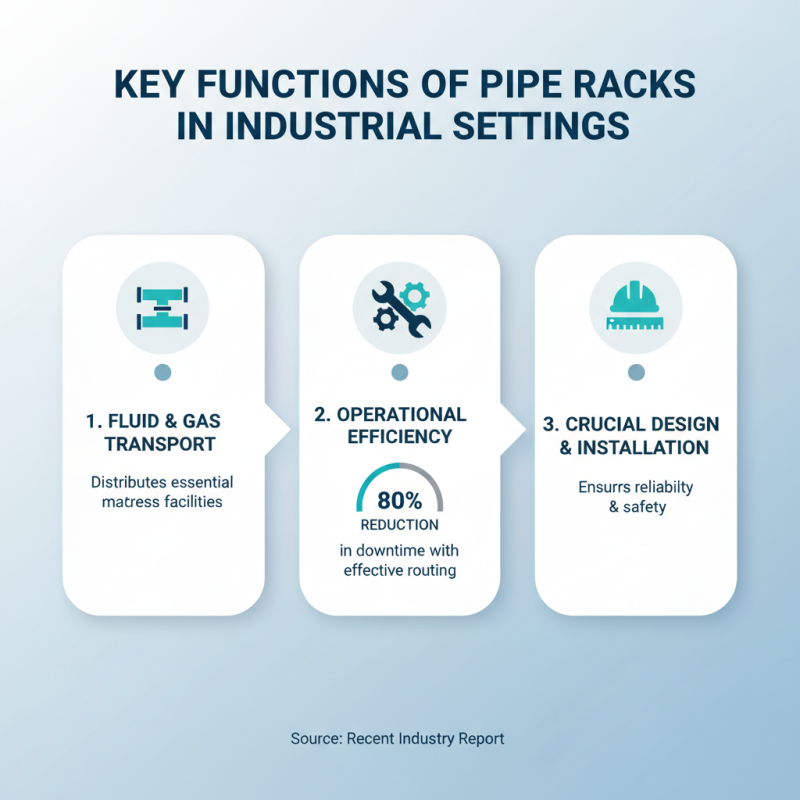
Pipe racks not only facilitate the transportation of fluids but also ensure optimal space utilization within facilities. These structures help maintain organization, reduce hazards, and streamline maintenance efforts. A well-designed pipe rack can prevent leaks and accidents, leading to a safer working environment. However, the design and construction of pipe racks require careful planning and adherence to industry standards. Some designs may overlook essential aspects, leading to challenges that could compromise functionality.
Investment in proper pipe rack systems transforms operational efficiency. Companies that underestimate their importance could face higher costs from delays and safety incidents. Industry leaders emphasize that understanding the nuances of pipe rack design is paramount. As companies strive for optimal performance, the ongoing evaluation of existing systems becomes essential.
What is a Pipe Rack? Definition and Overview
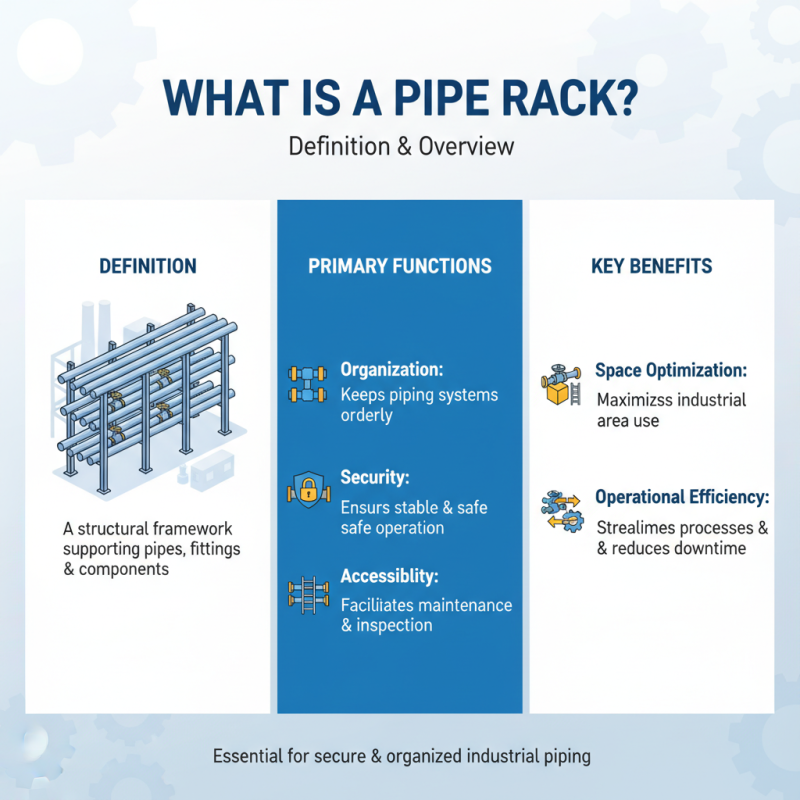
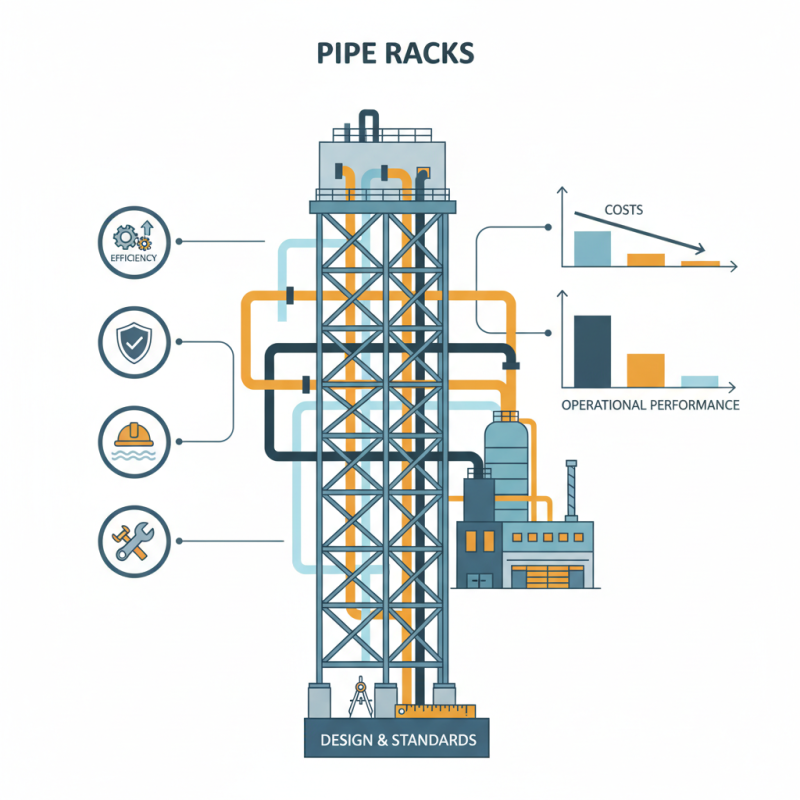
A pipe rack is a structural framework used to support pipes, fittings, and other components essential in various industrial processes. These racks ensure that piping systems are organized, secure, and accessible. A well-designed pipe rack not only optimizes space but also facilitates maintenance and inspection activities.
The importance of pipe racks cannot be understated. In environments like refineries, chemical plants, and power plants, they provide a safe and efficient method to manage extensive piping systems. When pipes are neatly arranged, the risk of damage or accidents decreases. This organization enhances safety protocols and boosts operational efficiency significantly.
**Tips:** Regular inspections of pipe racks are essential. Look for signs of wear, rust, or structural issues. Ensure that racks are compliant with industry safety standards. Use appropriate materials for specific environments to enhance longevity and performance. Remember, improper installation can lead to costly downtime. Be proactive in maintaining your piping infrastructure.
Types of Pipe Racks and Their Applications
Pipe racks are essential in various industries. They support pipes that transport fluids or gases. Each type of pipe rack is designed for different environments and needs. Understanding these types can significantly improve operational efficiency.
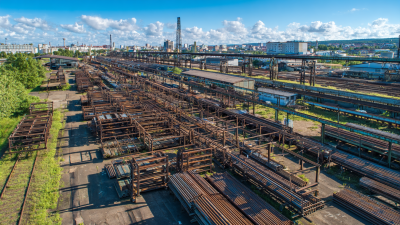
One common type is the ground-mounted pipe rack. It is low to the ground and often used in outdoor settings. These racks are sturdy and easy to maintain.
Another type is the elevated pipe rack. It is used in areas with limited ground space. Elevated racks allow for easier access and protect pipes from damage.
But, not all setups are perfect. Ground-mounted racks can be prone to rust and wear. Elevated racks may require specialized safety measures. Thus, careful planning is essential when selecting a type of pipe rack. Analyze your project's unique needs to ensure optimal performance.
Benefits of Effective Pipe Rack Design in Industries
Pipe racks play a crucial role in various industries. They support piping systems, ensuring efficient operation. An effective pipe rack design brings numerous benefits that enhance safety and productivity.
One major advantage is improved organization. Well-structured racks minimize clutter, making maintenance easier. Workers can swiftly locate pipes and equipment. This reduces downtime and frustration. A clean layout fosters a safer work environment, reducing the risk of accidents.
Tips: Regular inspections can help identify potential issues. Timely maintenance prevents costly disruptions. Always consider load capacities when designing your pipe racks. Overloading can lead to structural failure.
Another benefit is flexibility. Custom pipe rack designs can adapt to changing operational needs. Industries often evolve, and so do their piping requirements. A modular approach can save time and resources during adjustments. It also promotes safer access for inspections and repairs.
Considerations: Ensure proper spacing between pipes. This allows for thermal expansion and contraction. Pay attention to local regulations for structural integrity. Compliance is vital for long-term operation.
What is a Pipe Rack and Why is it Important in Industries? - Benefits of Effective Pipe Rack Design in Industries
| Dimension |
Description |
Importance |
Benefits |
| Material Selection |
Choosing appropriate materials for pipe racks like steel or aluminum. |
Ensures durability and resistance to corrosion. |
Reduces maintenance costs and extends lifespan. |
| Load Capacity |
Determining the maximum load a pipe rack can safely support. |
Prevents structural failure under heavy loads. |
Enhances safety and operational efficiency. |
| Design Layout |
Configuration of pipes and support structures in the layout. |
Optimizes space and workflow in facilities. |
Improves accessibility and reduces clutter. |
| Accessibility |
Ease of access to pipes for maintenance and inspection. |
Facilitates timely repairs and checks. |
Minimizes downtime and improves productivity. |
| Safety Standards |
Compliance with industry safety regulations. |
Ensures a safe working environment. |
Protects workers and reduces legal liabilities. |
Safety Considerations and Maintenance for Pipe Racks
Pipe racks are critical structural elements within industrial settings. They support pipes, helping to maintain organization and safety. However, safety considerations must be prioritized. Poorly maintained pipe racks can lead to hazardous situations. Regular inspections can identify wear and potential failures.
Maintenance of pipe racks includes checking for rust, loose connections, or misalignment. These issues can escalate quickly, posing risks to both workers and operations. Proper labeling of pipes assists in avoiding confusion. Clear access pathways ensure quick responses in emergencies. It’s crucial to educate teams about these safety protocols.
Beyond physical upkeep, fostering a culture of awareness is vital. Employees should feel empowered to report concerns. Regular training sessions can reinforce safety practices. Reflection on past incidents can provide valuable lessons. This ongoing dialogue ensures that safety remains a priority in maintaining pipe racks.