2026 Best Used Warehouse Racking for Global Buyers?
Global buyers are entering 2026 with tighter warehouse budgets and higher service expectations. Used Warehouse Racking offers a practical route to expand storage without purchasing every component new. However, low price alone does not prove value. A rack with bent uprights, missing safety pins, or unclear load ratings can create serious operational and financial problems.
Industry data supports careful capacity planning. The U.S. Census Bureau reported that e-commerce represented 16.1% of total retail sales in 2024, reinforcing continued demand for accessible inventory space. CBRE’s 2024 Global Industrial and Logistics Occupier Survey also highlights ongoing pressure to improve warehouse efficiency, resilience, and location flexibility. Meanwhile, the MHI 2024 Annual Industry Report shows that supply-chain leaders continue investing in technology, automation, and integrated material-handling systems. Used racking must therefore fit the operating plan, not merely the available floor area.
A reliable evaluation begins with measurements, inspection records, and traceable specifications. Buyers should verify beam length, upright height, frame condition, decking type, and rated capacity. Local engineering requirements also matter. A pallet rack designed for a light application may fail under dense goods or frequent forklift traffic. This is where many purchasing plans become too optimistic. Refurbished components can perform well, but only after competent inspection and proper installation. The best global suppliers provide photographs, drawings, serial details, and clear commercial terms. Buyers should still question assumptions, including transport costs, replacement parts, and future expansion. Cheap today can become expensive tomorrow.
What Used Warehouse Racking Means in 2026
In 2026, used warehouse racking means more than buying older steel at a lower price.
It means evaluating service history, structural condition, and future adaptability. Experienced buyers inspect every upright, beam, brace, and connector before discussing price. A rack with faded paint may remain reliable, while hidden impact damage can create serious risk. Appearance alone misleads.
Reliable evaluation requires clear measurements and evidence.
Check beam lengths, upright heights, load plates, anchor points, and floor conditions. Look for bent frames, cracked welds, missing locking pins, and deep corrosion. Photographs help, but they cannot replace a physical inspection. A qualified warehouse specialist should verify the proposed configuration and loading requirements. Local safety rules still matter.
Global buyers also need practical documentation.
Request accurate drawings, component counts, inspection records, and packing dimensions. Confirm whether replacement parts are available locally or must travel across borders. Used racking can reduce project costs, but shipping, sorting, and reinstallation may change the calculation. That lesson is easy to miss. Some systems arrive with mixed components or unclear histories. Buyers should question optimistic claims and leave room for damaged pieces. A careful purchase is not perfect; it is transparent about uncertainty.
How to Assess Racking Condition, Safety, and Load Capacity
Buying used warehouse racking in 2026 requires more than comparing photographs and prices. A practical inspection starts with frames, beams, braces, anchors, and floor plates. Look for bent uprights, twisted beams, cracked welds, missing locking pins, and fresh paint hiding damage. Fresh paint can mislead. In field inspections, small dents often deserve more attention than surface rust. Measure every damaged member, and photograph each defect beside a ruler. Do not rely on a seller’s condition grade alone.
Load capacity needs evidence, not guesswork. Ask for original design documents, beam tables, rack configuration, and previous inspection records. Confirm upright height, beam length, connector type, decking, and load distribution. The rating changes when levels, spans, or pallet weights change. Check the slab condition and anchor installation, especially near joints or damaged concrete. Have a qualified local engineer verify calculations against applicable safety requirements. A clear label should show safe working loads for the installed configuration.
During an on-site check, use a level, tape measure, torque tool, and camera. Compare measurements with the supplied drawings. That step is easy to skip. It should not be. One difficult lesson remains: inspection notes can be incomplete, even when the rack appears sound. Set aside uncertain components, replace damaged parts with compatible approved components, and record every decision. Record the approved configuration on every rack bay.
Which Used Racking Types Suit Different Warehouse Needs
2026 Best Used Warehouse Racking for Global Buyers?
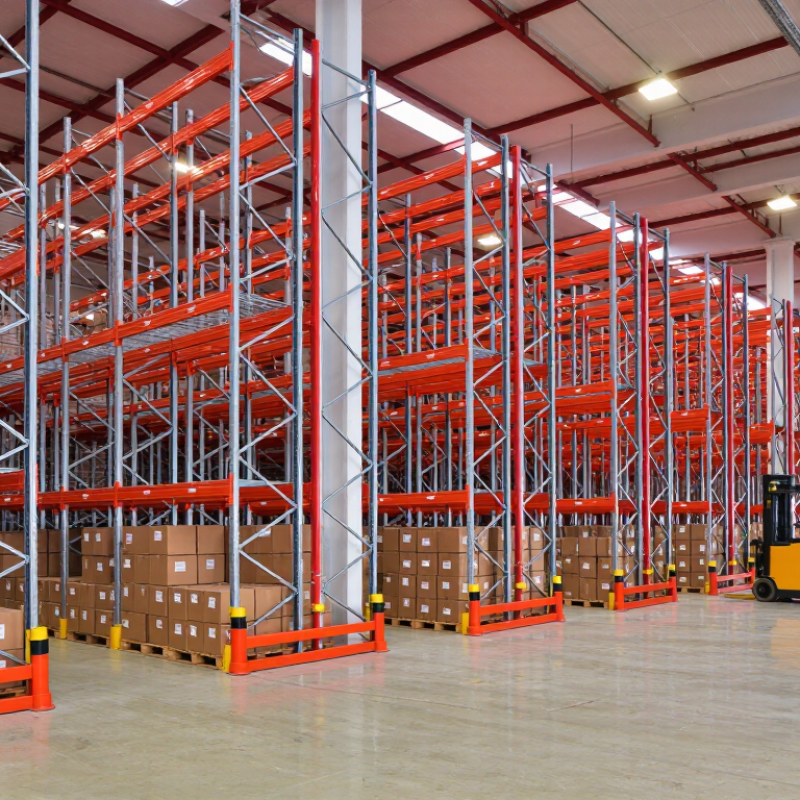
Used racking can suit many warehouse needs when selection starts with the operation, not the price. Selective pallet racking works well for mixed stock and frequent picking. It offers direct access to each pallet. Drive-in racking suits large quantities of similar goods with fewer stock-keeping units. It saves floor space, but access is less flexible. Cantilever racking is practical for timber, pipes, and other long loads. Light-duty shelving may serve small parts or hand-picked inventory.
Tips:
Measure clear height, aisle width, pallet size, and floor condition before buying. Check upright frames, beams, connectors, and base plates for bends, cracks, rust, or unauthorized repairs. Request load ratings and inspection records. Do not rely on paint or photographs alone. A clean surface can hide damage. Confirm that the configuration fits local workplace requirements and competent engineering review.
From practical warehouse assessments, the safest choice is rarely the cheapest listing. Used components may come from different systems, creating fit and capacity problems. Keep compatible parts together. Replace doubtful pieces instead of forcing them into service. I would also allow extra budget for transport, sorting, anchors, and installation. That cost is easy to underestimate.
A small trial area can reveal picking delays, unstable layouts, or poor visibility before the full purchase. Efficient racking should support safe movement, accurate inventory, and future changes—not simply fill the building.
How Global Buyers Can Compare Suppliers, Costs, and Regulations
2026 Best Used Warehouse Racking for Global Buyers
Global buyers should compare suppliers beyond price. The World Bank’s 2023 Logistics Performance Index surveyed 4,090 logistics professionals across 139 economies. Its findings link reliable logistics with strong infrastructure, dependable services, and predictable customs. Used racking must support all three areas by improving storage density without creating inspection delays.
Ask each supplier for load charts, installation records, manufacturing dates, and photographs of every frame. Check upright damage, beam locking pins, corrosion, missing anchors, and uneven floors. A fresh coat of paint proves little. Measure beam length, frame depth, pallet clearance, and aisle width at your site. Confirm compatibility with local pallets and forklift turning requirements. Low prices can hide expensive modifications.
Regulations vary. In the United States, OSHA 29 CFR 1910.176 requires stored materials to remain stable and secure. European projects commonly reference EN 15635, while Australian facilities may use AS 4084. These standards are not interchangeable. Ask a qualified local engineer to verify the design, especially after relocation. The MHI 2024 Annual Industry Report also shows continuing investment in supply-chain technology, making traceable asset information increasingly valuable.
Tips: Request three comparable quotations. Separate equipment, freight, duties, installation, and inspection costs. Keep a simple condition score for every frame. I would reject any supplier refusing an independent inspection. That decision may feel slow, but one damaged upright can change the entire risk calculation.
How to Plan Inspection, Shipping, Installation, and Maintenance
Buying used warehouse racking in 2026 requires more than checking photographs and prices. Inspection should begin with the upright frames, beams, connectors, welds, and base plates. Look for corrosion, bent posts, enlarged holes, and cracked welds. Measure every component, including beam length, frame depth, and upright height. Confirm the original load rating when possible. If records are missing, ask a qualified engineer to reassess capacity. Guessing is expensive.
Shipping can damage sound racking before installation. Photograph each bundle before loading, then protect edges with separators and moisture-resistant covers. Use clear labels for frame sizes, beam levels, and hardware bags. A simple packing list prevents delays at the receiving dock. Check container weight distribution, securing points, and unloading access. Small bolts disappear easily. I have seen projects lose days because mixed components arrived without identification. That mistake is avoidable, though not always avoided.
Installation needs a level floor, accurate anchoring, and properly plumbed frames. Measure aisle widths again after assembly, not only from drawings. Tighten connectors to the specified torque, and replace questionable components rather than forcing them into place. Local building requirements and fire provisions should be reviewed before use. Maintenance should include monthly visual checks and documented quarterly inspections. Inspect after forklift contact, relocation, or unusual loading. Remove damaged sections immediately. A perfect maintenance plan rarely survives busy shifts, so simple records and visible inspection tags often work better than complicated systems.