425 Sovereign Ct. St. Louis, MO 63011
SEARCH OUR WEBSITE

Top Storage Racking System Types for Warehouses

A warehouse rack is more than a place to set pallets. Its design shapes how people move, how goods are reached, and how much usable space remains. The right Storage Racking System depends on inventory, handling equipment, order frequency, and the building itself. A narrow aisle may save floor space, for example, but it also changes how forklifts operate. Small decisions matter. Details matter.

This guide introduces common storage racking types and the work each can support. Selective pallet racks offer direct access to individual loads. Drive-in systems can suit larger quantities of similar products, though access to pallets may be less flexible. Pallet-flow racks use gravity to move goods along inclined lanes, while cantilever racks support long items such as pipes or timber. Each design has trade-offs. None is perfect.

The sections ahead compare these options through practical considerations, including selectivity, storage density, stock rotation, and equipment compatibility. They also note where a system may create constraints, since a high-capacity layout can be awkward if inventory changes often. Actual capacity and configuration should be checked against product loads, site conditions, and qualified design guidance. A drawing alone cannot reveal every daily bottleneck. The best choice is the one that fits real operating habits—not just a tidy plan on paper.
Top Storage Racking System Types for Warehouses

How Warehouse Racking Systems Organize Stored Goods

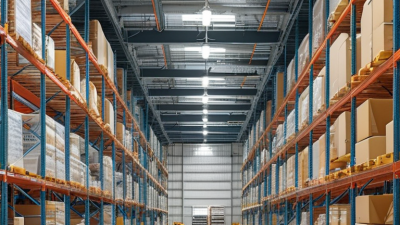
Warehouse racking turns floor space into an organized map for stored goods. Selective pallet racks keep each pallet accessible, which can help when a warehouse handles many product types. Workers can locate a labeled position without moving neighboring loads. For fast-moving stock, placing popular items near packing areas may reduce travel, though traffic can build up around busy aisles.

Drive-in racks store pallets in deeper lanes, making better use of space for larger quantities of similar goods. The trade-off is less direct access to each pallet. Cantilever racks support long items such as pipes or timber. Long items need care. Their weight and length affect safe support and aisle clearance. Shelf labels, location codes, and consistent put-away rules help workers return goods to the right place. Labels matter.

Rack choice should match the goods, pallet dimensions, handling equipment, and inventory rotation. Heavy loads belong in positions designed for their weight, with capacity information kept clear and visible. Aisle widths also need to suit the equipment actually used, not just a drawing. Regular checks can reveal damaged uprights, loose connections, or blocked access. Even a careful layout can become awkward as stock changes; reviewing real picking routes may expose problems that the original plan missed.

Selective Pallet Racking for Direct Access to Every Load

Top Storage Racking System Types for Warehouses

Selective Pallet Racking for Direct Access to Every Load

Selective pallet racking gives forklift operators direct access to each stored pallet without moving neighboring loads. This layout suits warehouses with many product codes, changing order patterns, or frequent picking. Standard upright frames and horizontal beams create adjustable storage levels. A clear view of each pallet can also make stock checks easier. Simple, but not effortless.

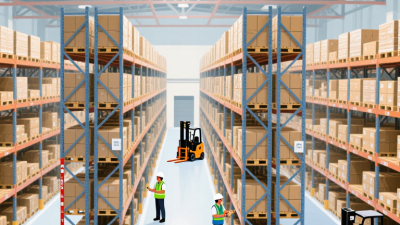
The trade-off is aisle space. Because pallets sit in individual bays, selective systems may store fewer loads per square foot than dense storage designs. In a warehouse with narrow aisles, confirm that the forklift can turn and retrieve pallets safely. Check beam capacity, pallet dimensions, floor condition, and rack anchoring before installation. Real layouts often need adjustments once operators test them with actual loads.

Tips: Keep a visible load-capacity notice on each rack row. Place fast-moving items near dispatch, and label beam levels where drivers can read them. Inspect for bent uprights, loose connections, and impact damage; even minor damage deserves attention. A tidy rack can still be overloaded.

Drive-In, Push-Back, and Pallet-Flow Racking for Dense Storage

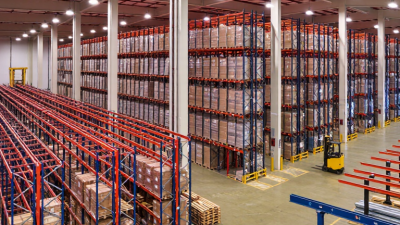
Drive-in, push-back, and pallet-flow racking increase pallet density by reducing aisle space, but they suit different operating patterns. Drive-in systems let forklifts enter storage lanes, placing pallets several positions deep. They work well when many pallets hold the same product and last-in, first-out access is acceptable. Deep lanes need clear entry points and consistent pallet dimensions. Forklift turns can feel tight, especially when operators are handling loads at height. Measure the actual truck and pallet before fixing the layout.

Push-back racking stores pallets on nested carts. A new pallet pushes earlier loads farther back; when one is removed, the next rolls forward. This gives each lane access from one aisle and usually supports last-in, first-out picking. It can suit facilities with several product lines and moderate pallet counts per line. But cart movement depends on sound components, level installation, and careful loading. Small variations in pallet condition may cause trouble.

Pallet-flow racking uses gravity rollers to move pallets from the loading side toward the picking face. It can support first-in, first-out rotation and keep replenishment separate from order picking. The flow needs testing. Pallet quality, load weight, and roller condition all affect movement, so commissioning should use representative loads. A smooth drawing is not proof of smooth operation. Review lane depth, pick rates, and maintenance access with the warehouse team; their daily work often reveals awkward details that a capacity estimate misses.

Cantilever Racking for Long and Irregularly Shaped Items

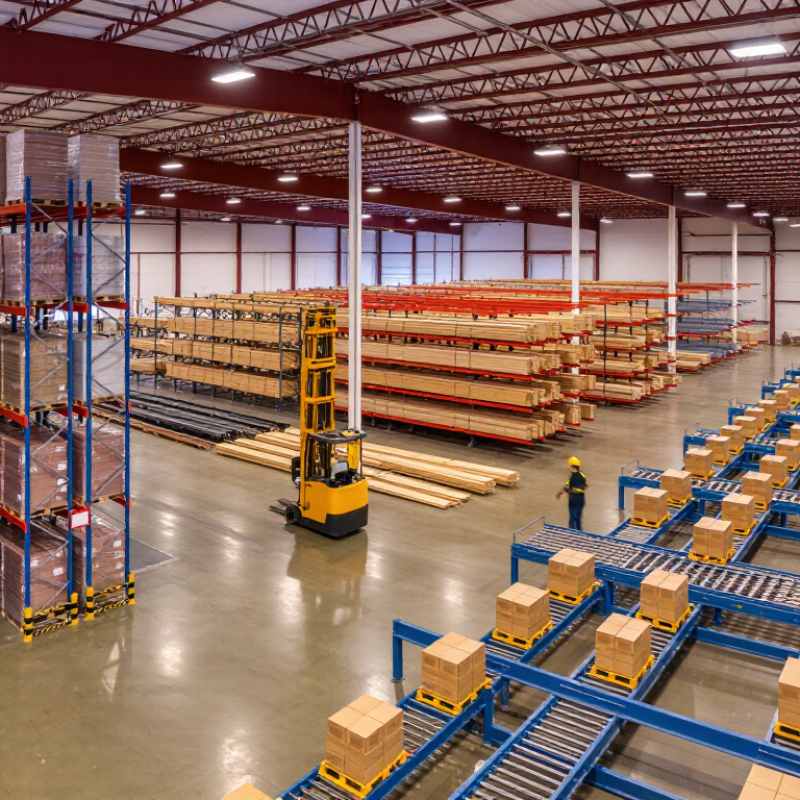
Cantilever racking works well for lumber, steel tube, pipe, and furniture parts that do not fit neatly on pallet shelves. Its open face removes front columns, making long loads easier to place and retrieve. Arms support the goods from below, so their length, spacing, and rated capacity must match the actual load. A bundle of narrow pipes behaves differently from a heavy, uneven timber pack. Small details matter.

MHI’s 2024 Annual Industry Report found that 55% of surveyed supply chain professionals were increasing investment in technology and innovation. That figure does not prescribe a rack type, but it reflects pressure to make warehouse operations more adaptable. Cantilever layouts can help when product dimensions vary, though they use floor space and need clear forklift routes. It takes space. Before installation, check floor capacity, rack anchoring, load distribution, and aisle clearance with a qualified professional. Keep heavier goods low, and avoid loads projecting beyond the arms. Inspection matters, too: bent arms or loose connections can be easy to overlook during a busy shift. A practical layout may still need adjustment after operators test real picking patterns. That trade-off matters.

Top Storage Racking System Types for Warehouses: Cantilever Racking for Long and Irregularly Shaped Items

Standard pallet footprints provide a useful comparison for palletized goods. Long or irregular items that do not fit neatly on pallets may be better suited to cantilever racking.

Footprint areas are calculated from the listed pallet dimensions. Dimensions are among the standard pallet sizes specified in ISO 6780. Cantilever rack capacity and suitable load dimensions vary by system; check the manufacturer’s load ratings when planning storage.

Mobile and Automated Racking for Space-Efficient Warehouses

Mobile and automated racking can help warehouses store more goods within a limited footprint. Mobile racks move along floor-mounted rails, opening an aisle only where staff need access. This can reduce the number of permanent aisles. That matters.

The trade-off is movement and access. A picker may wait while a rack shifts, so busy operations need clear rules for aisle requests and safe movement. Automated systems use controls to retrieve or position loads, which can reduce routine travel. They also depend on accurate inventory data, suitable loads, and regular maintenance. A small data error can send a worker looking in the wrong place.

Start with the goods themselves. Measure pallet sizes, load weights, and how often each item moves before choosing a system. Fast-moving stock may need quicker access than reserve inventory. Check ceiling height, floor condition, emergency routes, and equipment clearances with qualified warehouse professionals. One easy-to-miss detail is future change: product sizes and order patterns rarely stay fixed. A layout can look efficient on paper, yet feel awkward during a peak shift. Not every site. Pilot a small area, record retrieval times and delays, then adjust the design before expanding.

Top Storage Racking System Types for Warehouses — Mobile and Automated Racking for Space-Efficient Warehouses

Racking system How it works Space efficiency Pallet selectivity Typical inventory flow Suitable applications Key considerations
Selective pallet racking Each pallet is stored in an individual position and accessed from an aisle. Moderate; aisles are needed between rack rows. High; every pallet position is directly accessible. Flexible; supports FIFO or LIFO depending on stock rotation practices. Warehouses with many SKUs, mixed inventory, or frequent picking. Simple to configure and adaptable, but aisle space can limit storage density.
Double-deep racking Pallets are stored two positions deep, usually accessed using a reach truck or suitable handling equipment. Higher than single-deep selective racking because fewer aisles may be required. Moderate; the pallet at the rear is less directly accessible. Typically LIFO within each two-pallet lane. Warehouses with fewer SKUs and several pallets per SKU. Requires compatible equipment and careful location planning for rear-position pallets.
Drive-in / drive-through racking Forklifts enter storage lanes to place or retrieve pallets on rails. High; storage lanes reduce the number of access aisles. Low to moderate; access is organized by lane rather than individual pallet. Drive-in is generally LIFO; drive-through can support FIFO when loading and retrieval occur at opposite ends. Large quantities of similar products and limited SKU variety. Requires consistent pallet dimensions and careful forklift operation inside the lanes.
Push-back racking Each new pallet pushes previously stored pallets deeper along inclined carts or rails. High; multiple pallets are stored deep in each lane without a separate aisle for every row. Low to moderate; access is generally by lane. LIFO; the last pallet loaded is normally the first retrieved. High-density storage where several pallets of each SKU are held together. Best suited to products that do not require strict FIFO rotation; pallet and load consistency matter.
Pallet flow racking Pallets move by gravity on roller lanes from the loading end to the picking end. High; deep lanes reduce the need for multiple access aisles. Lane-based; individual pallet access is limited within a lane. FIFO; loading and retrieval take place at opposite ends of the lane. High-throughput operations, date-sensitive stock, and products with several pallets per SKU. Needs suitable pallets, regular lane checks, and planned loading and picking access.
Mobile racking Rack rows move on powered or manually operated bases, opening an aisle where access is needed. High; multiple rows can share a smaller number of aisles. High when an aisle is opened to the required rack row. Flexible; depends on the rack layout and warehouse picking process. Facilities where floor space is constrained and access frequency is moderate. Requires floor and rail planning, safety controls, and consideration of access time while rows move.
Automated storage and retrieval system (AS/RS) Automated machines or shuttles store and retrieve loads within a controlled storage structure. Potentially high; systems can use dense layouts and, in some designs, tall storage areas. System-dependent; access is directed by inventory controls and equipment configuration. Can support FIFO or other rules according to system design and warehouse software. Operations with high throughput, predictable load units, and a need for automated handling. Requires substantial system planning, compatible loads, controls integration, and ongoing technical support.

Space efficiency and operating suitability depend on warehouse dimensions, load characteristics, handling equipment, aisle requirements, and inventory rules. Confirm the layout and capacity with a qualified racking designer before installation.

Scroll to Top