How to Choose the Right Racking System for Your Warehouse?
Choosing the right Racking System can shape every movement inside a warehouse. It affects storage capacity, picking speed, worker safety, and future expansion.
A reliable decision begins with the products, not the equipment catalogue. Consider pallet dimensions, load weights, turnover rates, aisle widths, and available ceiling height. A facility handling fast-moving cartons may need selective pallet racks for direct access. A warehouse storing uniform pallets could benefit from drive-in or high-density solutions. The choice should match daily operations, not simply the highest advertised capacity.
Measure twice.
Experienced warehouse teams also examine floor conditions, forklift turning space, fire protection requirements, and inspection routines. These details often appear minor during planning. They can become expensive problems after installation. Reputable suppliers should provide load calculations, installation guidance, maintenance advice, and clear documentation. Independent checks are valuable, especially when storage heights or loads increase.
No system is perfect.
A strong Racking System should support present demand while allowing practical changes. However, flexibility can increase costs, reduce density, or complicate picking routes. That trade-off deserves honest discussion. Review your inventory data, walk the warehouse during busy periods, and speak with operators who use the aisles every day. Their experience may reveal blocked locations, awkward pallet movements, or recurring damage that spreadsheets miss. This guide explains how to compare racking options carefully and build a safer, more efficient storage plan.
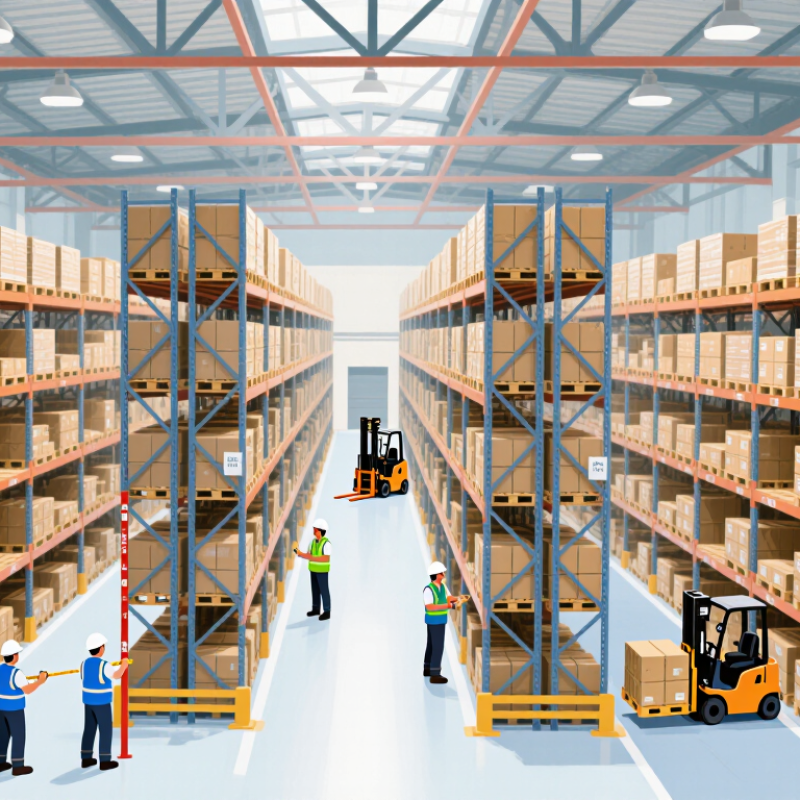
Define Your Warehouse Storage Needs and Operating Conditions
Before choosing a racking system, define what the warehouse must hold today and next year. Record each SKU’s dimensions, weight, pallet type, turnover rate, and replenishment frequency. Fast-moving goods need short travel paths. Slow movers may justify higher storage density. According to the 2024 MHI Annual Industry Report, 55% of companies already use inventory and network optimization tools, while 87% expect to use them within five years. Your rack plan should support cleaner data, not hide poor data.
Operating conditions matter just as much.
Measure clear height, floor load capacity, aisle width, forklift turning radius, sprinkler clearance, lighting, temperature, humidity, and seismic exposure. Check inbound and outbound peaks by hour. A rack that fits empty pallets may fail during seasonal surges. OSHA warehouse guidance also stresses safe traffic routes, stable storage, and clear access. These details affect rack type, beam levels, protection equipment, and inspection routines. A neat layout can still be wrong.
Tips: Build a simple SKU heat map before requesting quotations. Mark the ten heaviest loads and the ten fastest movers. Test one rack bay with real pallets and equipment. Ask operators to trial it. Their feedback may expose blocked sightlines or awkward picking heights. Review WERC’s 2024 DC Measures benchmarks for inventory accuracy, order-picking accuracy, and dock-to-stock performance. Do not assume maximum height equals maximum value; fire protection, handling speed, and future changes may make a lower design wiser.
Compare the Main Types of Warehouse Racking Systems
How to Choose the Right Racking System for Your Warehouse?
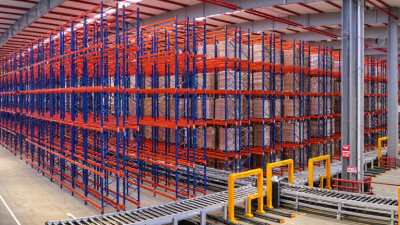
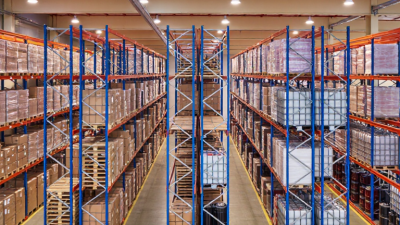
Selective pallet racking offers direct access to every pallet and suits warehouses with many stock-keeping units. It usually needs wider aisles, often about 3 to 3.5 meters for counterbalance trucks. Drive-in racking stores pallets several positions deep, improving density but limiting access. It works best with few products and larger batch quantities. Push-back racking supports two to five pallets per lane and reduces aisle space. However, it normally follows last-in, first-out rotation. Pallet-flow racking uses gravity rollers and supports first-in, first-out movement. It fits food, pharmaceutical, and date-sensitive inventory.
Fit matters.
Long products need different thinking. Cantilever racking handles timber, pipes, panels, and other awkward loads. Mobile racking can increase storage density by removing fixed aisles, but its moving equipment adds cost and maintenance needs.
MHI’s 2024 Annual Industry Report, based on more than 2,000 supply-chain professionals, found that 74% planned to increase technology and innovation investment.
That trend makes adaptable layouts more valuable, especially when warehouse data changes quickly. Yet automation alone cannot repair poor slotting. In a site review, measure pallet dimensions, beam loads, floor flatness, truck turning paths, and peak-season inventory. One overlooked fire-sprinkler clearance can force expensive redesign.
I would also test a future scenario, not only today’s volume. A system that looks efficient at 80% occupancy may become unsafe and slow at 95%.
Mistakes happen. Measure twice.
Assess Load Capacity, Space Use, and Accessibility
Choosing the right racking system starts with the actual load, not a catalogue picture. Record each pallet’s weight, dimensions, and center of gravity. Then check the rack’s rated capacity at every beam level. A 1,000-kilogram pallet may overload an upper position if the frame is poorly configured. Ask a qualified structural professional to verify the floor slab, anchoring, and local safety requirements.
Space use requires more than counting pallet locations. Measure clear heights, columns, sprinklers, lighting, and forklift turning paths. Narrow aisles can increase storage density, but they may slow picking and raise handling risks. Leave enough clearance for damaged pallets and uneven loads. I once planned storage too tightly. The extra positions looked efficient, yet daily movement became frustrating and expensive.
Accessibility should match product velocity. Fast-moving cartons need convenient pick faces near dispatch areas. Reserve deeper or higher positions for slower inventory. Consider whether workers can reach each location without stretching, climbing, or moving several pallets first. Adjustable levels help when product sizes change, but they can encourage careless loading. Label every bay with its maximum capacity and inspection date. Walk the proposed layout during a normal shift, not an empty warehouse tour. That practical test often exposes blocked routes, blind corners, and awkward replenishment points.
Check Safety, Compliance, and Equipment Requirements
How to Choose the Right Racking System for Your Warehouse?
A safe racking system starts with real operating data, not a catalog image. Record pallet weight, dimensions, load frequency, forklift type, and aisle width. Check slab capacity and clearances around sprinklers, doors, and emergency routes. The U.S. Bureau of Labor Statistics reported 4.8 recordable cases per 100 full-time workers in transportation and warehousing during 2023. That figure is not caused by racks alone, but it shows why layout decisions deserve attention.
Confirm every beam and upright against its rated load. OSHA 29 CFR 1910.176 requires stored materials to remain stable and secure. In practice, that means proper anchoring, sound pallets, backstops where needed, and visible load notices. Rack protection matters near forklift travel lanes. So does inspection. A bent upright should be isolated immediately, not quietly monitored for another month. Local building, fire, and seismic requirements may add stricter conditions. A qualified engineer should verify the final design.
Equipment compatibility is equally important. Forklift turning radius, mast height, battery charging areas, and pedestrian crossings must fit the proposed system. MHI’s 2024 Annual Industry Report surveyed 1,370 supply-chain professionals and identified labor availability as a continuing operational challenge. Design for occasional mistakes. It may sound excessive. It is not. Automated equipment also needs guarded interfaces, sensors, and clear maintenance access. I would not pretend every warehouse plan is perfect; real sites change, and early assumptions often fail. Recheck the system after product changes, new vehicles, or repeated impact.
Select, Plan, and Maintain the Best Racking Solution
How to Choose the Right Racking System for Your Warehouse?
Select the system around your real operations, not a catalogue picture. Start with pallet dimensions, load weights, product turnover, and handling equipment. Measure clear height, column positions, doorways, and floor conditions before comparing layouts. A selective system may suit varied stock, while higher-density storage can reduce travel but limit access. Heavy loads require verified capacity calculations and suitable protection. A perfect layout rarely exists.
Plan each bay with safe working clearances and practical aisle widths. Leave space for turning forklifts without scraping frames or pallets. Include labels, end guards, and visible load notices. Installation should follow approved drawings and competent supervision. Our first estimate is sometimes wrong, especially when seasonal inventory changes. Review the plan with operators who know where congestion actually occurs. After installation, inspect frames, beams, anchors, and decking routinely. Record damage, remove unsafe sections from service, and arrange qualified repairs. Small dents can become expensive failures.
Tips: Photograph each bay during inspections. Check loose components immediately. Keep an updated load schedule. Train every equipment operator. Recheck clearances after layout changes. Do not overload a familiar bay. Shortcuts create risk.