425 Sovereign Ct. St. Louis, MO 63011
SEARCH OUR WEBSITE

What Is Industrial Racking and Which Type Is Best?

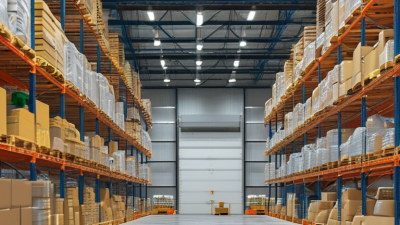
Industrial Racking is the structural framework behind many warehouses, factories, and distribution centers. It stores pallets, cartons, components, and finished goods above the floor. More importantly, it shapes how people move, pick, inspect, and replenish inventory. A well-designed system can release valuable floor space. A poorly selected one can create congestion, product damage, and serious safety concerns.

As logistics scholar Martin Christopher explains, “Logistics is the process of strategically managing the procurement, movement and storage of materials, parts and finished inventory.” His observation shows why racking cannot be chosen by appearance alone. The best Industrial Racking depends on pallet dimensions, load weight, ceiling height, forklift access, stock rotation, and future growth. Selective pallet racking suits varied products and direct access. Drive-in racking can increase density but reduces selectivity. Cantilever racking works better for long materials, such as pipes, timber, and steel profiles.

There is no universal winner.

A reliable decision also requires verified load data, competent installation, floor assessment, upright protection, and regular inspections. Local safety requirements and manufacturer instructions must guide the final design. Small details matter. A bent frame, missing beam lock, or overloaded level can change the risk profile quickly. Yet density is often treated as the main goal. That is a mistake worth reconsidering. The most efficient system is not always the safest or most adaptable. This guide examines each major Industrial Racking type, its practical strengths, its limitations, and the conditions where it performs best.
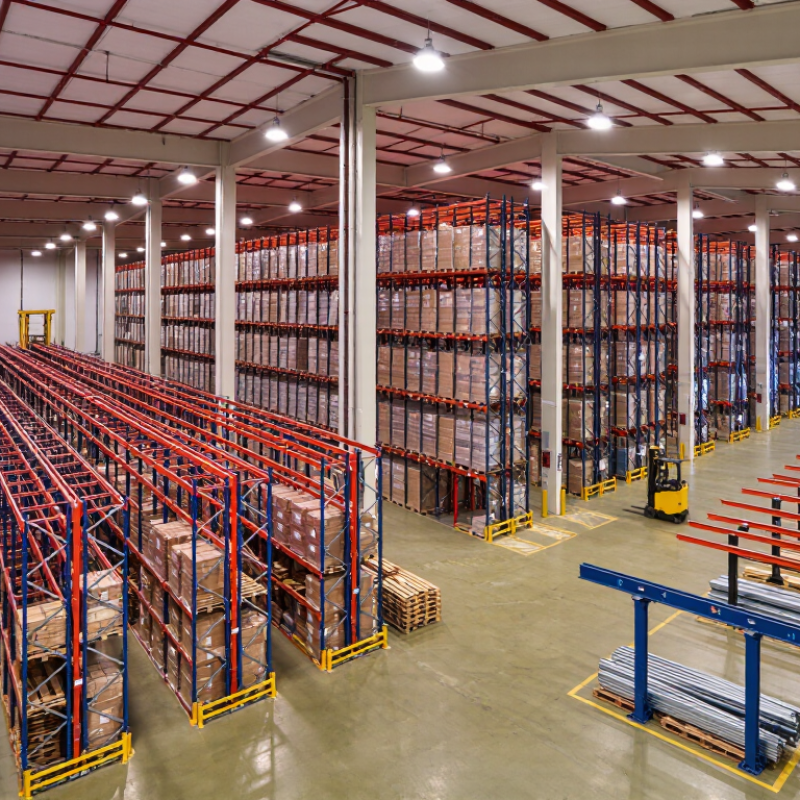
What Is Industrial Racking and Which Type Is Best?

Definition and Core Functions of Industrial Racking

What Is Industrial Racking and Which Type Is Best?

Industrial racking is a structural storage system designed to hold goods above the warehouse floor. It uses frames, beams, shelves, and protective components to organize inventory safely. Its core functions are clear: increase vertical capacity, improve product access, support stock rotation, and create predictable picking routes. A well-designed system also reduces unnecessary handling and keeps aisles easier to inspect.

Pallet racking suits warehouses storing many palletized products with regular forklift access. Shelving works better for smaller cartons and hand-picked items. Cantilever racking supports long materials, such as pipes, timber, or metal profiles.

Drive-in systems can provide dense storage, but they usually offer less direct access to individual pallets. The best type depends on load weight, product dimensions, turnover rate, equipment, and available floor height.

Details matter. Every beam level should match the planned load, not an optimistic estimate. Floors, anchors, aisle widths, and impact protection require careful checking. Load labels should remain visible after installation.

A common mistake is choosing maximum density before studying daily workflow. That can create slow picking and difficult inspections.

The first layout is rarely perfect. Warehouse needs change, too. A flexible design may cost more initially, yet prevent expensive reconstruction later. Safety checks and documented inspections should remain part of normal operations, not an afterthought.
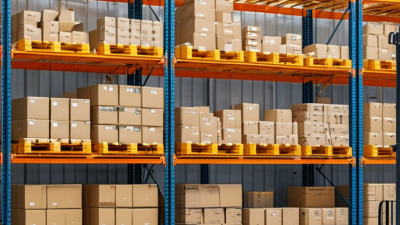
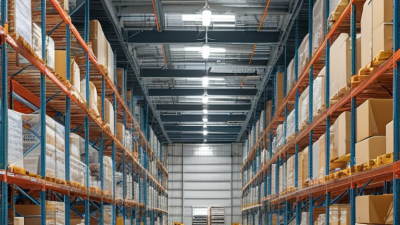
How Industrial Racking Systems Are Designed and Classified

What Is Industrial Racking and Which Type Is Best?

Industrial racking is a structural storage system designed for pallets, cartons, or long materials. Its design begins with load weight, unit dimensions, aisle width, ceiling height, and handling equipment. Engineers also check floor capacity, seismic conditions, sprinkler clearance, and likely impact points. A rack may look simple. The calculations are not.

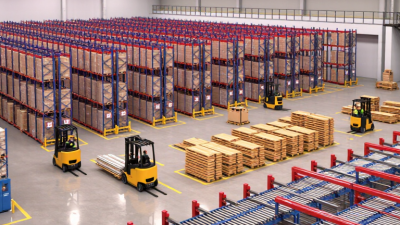
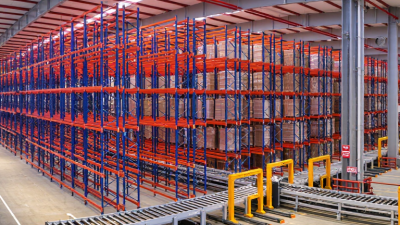
Systems are commonly classified by access and storage density. Selective pallet racking offers direct access to every pallet and suits varied inventory. Drive-in racking increases density but reduces selectivity because forklifts enter storage lanes. Push-back systems use nested carts, while pallet flow racking relies on gravity rollers for first-in, first-out movement. Cantilever racking fits pipes, timber, and other lengthy goods. Mezzanine-supported systems add usable levels without expanding the building footprint.

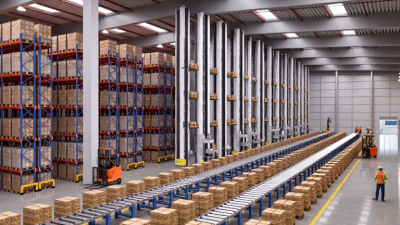
According to the MHI 2024 Annual Industry Report, 83% of supply-chain professionals expected to increase technology adoption during the following five years. That shift affects racking design, since sensors, barcode systems, and automated vehicles need predictable clearances. In practice, the “best” rack depends on inventory turnover, not density alone. A dense layout can slow picking and create hidden labor costs. Standards such as ANSI MH16.1 guide structural design, but site conditions still require professional verification. A neat drawing can fail after an overloaded pallet, uneven floor, or careless forklift turn. That part is easy to underestimate.

What Is Industrial Racking and Which Type Is Best?

Industrial racking systems are designed around load capacity, pallet access, storage density, inventory rotation, and available aisle space. The chart compares representative aisle widths commonly used for major industrial racking classifications.

How to read the chart: Selective and double-deep pallet racking generally require wider aisles for forklift access, while very narrow aisle systems maximize storage density by using specialized handling equipment. Drive-in and push-back systems provide higher density but reduce direct access to every pallet position.

Key Types of Industrial Racking and Their Uses

Industrial racking is a structured storage system designed to hold pallets, cartons, long materials, or components safely. The best type depends on product size, access frequency, floor space, and handling equipment. A rack may look simple, but poor beam selection or uneven loading can create serious risks.

Selective pallet racking is the most flexible option for warehouses with many product lines. Forklifts can reach each pallet directly, making stock rotation easier. It suits distribution areas where orders change daily.

Drive-in racking stores pallets deeply along rails, reducing aisles and increasing capacity. However, access is limited, so it works better for large quantities of similar goods.

Push-back racking uses nested pallets on inclined rails. It supports several pallet positions while allowing faster loading and unloading.

Cantilever racking is built for long or irregular materials, such as pipes, timber, and metal profiles. Its open front makes manual handling more practical.

For small cartons carton flow racks use rollers to move older stock toward the picking face.

Mobile racking can reduce unused aisle space, but it needs careful floor planning and reliable controls.

I have seen layouts fail because future product changes were ignored. A technically suitable rack can still become inconvenient after six months.

Load signs, regular inspections, protected uprights, and trained operators remain essential. A perfect layout is rare. Careful review matters more than maximum capacity.

How to Choose the Best Industrial Racking System

What Is Industrial Racking and Which Type Is Best?

How to Choose the Best Industrial Racking System

Industrial racking is a structured storage system for pallets, cartons, components, and long materials. It uses vertical space while keeping products accessible and organized. The best system depends on load weight, product size, turnover rate, and available floor space.

Start with an accurate site survey. Measure ceiling height, aisle width, floor condition, and column locations. Leave room for handling equipment. Small errors matter.

Selective pallet racking suits warehouses with many product types and frequent access. It provides direct access to each pallet and supports flexible stock rotation. Drive-in racking offers higher density, but access is more limited. It may suit large quantities of similar goods. Cantilever racking works well for pipes, timber, and other long items. For cartons and small parts, shelving or multi-tier systems can improve picking speed.

I have seen efficient layouts fail because workers could not reach the rear positions safely. A lower purchase cost may create higher labor costs later. Check the rated capacity of every beam, upright, and connection.

Use clear labels for load limits and inspection dates. In humid areas, consider corrosion-resistant finishes and better drainage. Do not rely on appearance alone. A qualified storage specialist should verify the design, anchoring, clearances, and traffic routes. Recheck the system after layout changes. Reality often exposes weaknesses that drawings miss.

Safety, Installation, and Maintenance Requirements

Industrial racking stores heavy materials above floor level, so safety must guide every design choice. The best system depends on load weight, pallet size, aisle width, and handling equipment. Selective pallet racking suits varied inventory and frequent access. Cantilever racking works better for long items, such as pipes or timber. Before choosing, record the heaviest load and the maximum storage height. Do not guess. A qualified racking professional should verify the design and floor capacity.

Installation requires a level floor, accurate measurements, and trained workers. Frames must stand plumb, while beams need secure locking pins at every connection. Anchor uprights according to the engineering instructions. Keep required clearances around sprinklers, lights, doors, and emergency routes. Never cut, weld, or alter components without technical approval. A small installation error can become a serious stability problem. Follow applicable workplace safety rules and the equipment manufacturer’s instructions.

Maintenance should include documented inspections at scheduled intervals and after any collision. Look for bent uprights, damaged beams, missing pins, loose anchors, and overloaded shelves. Remove damaged parts from service immediately, even when the defect appears minor. Keep aisles clear and display load limits where workers can see them. In a busy warehouse, rushed inspections are easy to overlook. That weakness deserves attention. Inspection records should identify the location, defect, corrective action, and responsible person. Storage conditions also matter; moisture and chemical exposure can accelerate corrosion. Recheck the system after layout changes, because a safe arrangement can become unsuitable.

Scroll to Top