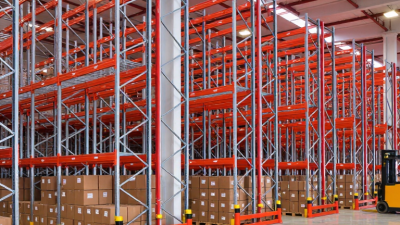
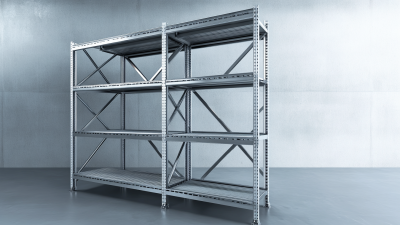
Top 10 Used Warehouse Racking Suppliers Worldwide
Warehouses are being asked to store more goods, respond faster, and make better use of every square meter. Yet new equipment is not always the most practical choice. Used Warehouse Racking can help businesses expand capacity while controlling upfront costs, provided the equipment is properly assessed and matched to the site.
The 2024 MHI Annual Industry Report found that 55% of surveyed supply chain professionals planned to increase technology investment. It also reported that 88% expected digital supply chains to become the predominant model within five years. These findings describe a changing industry, not a guarantee that every warehouse needs automation. Still, they point to growing pressure for adaptable storage layouts and reliable inventory operations. Racking decisions matter.
This guide to the Top 10 Used Warehouse Racking Suppliers Worldwide offers a starting point for comparing suppliers across markets. It considers factors such as product availability, inspection practices, customization, delivery reach, and after-sales support. A supplier’s name alone is not enough. Buyers should check load ratings, frame and beam condition, compatibility, and installation requirements before purchase. A bent upright or missing connector can change the real value of a bargain. Details count. Supplier capabilities and standards vary by region, and public information may not reveal every limitation. That uncertainty deserves a closer look. The rankings are intended to support research, not replace a site-specific engineering review or a careful quotation process.
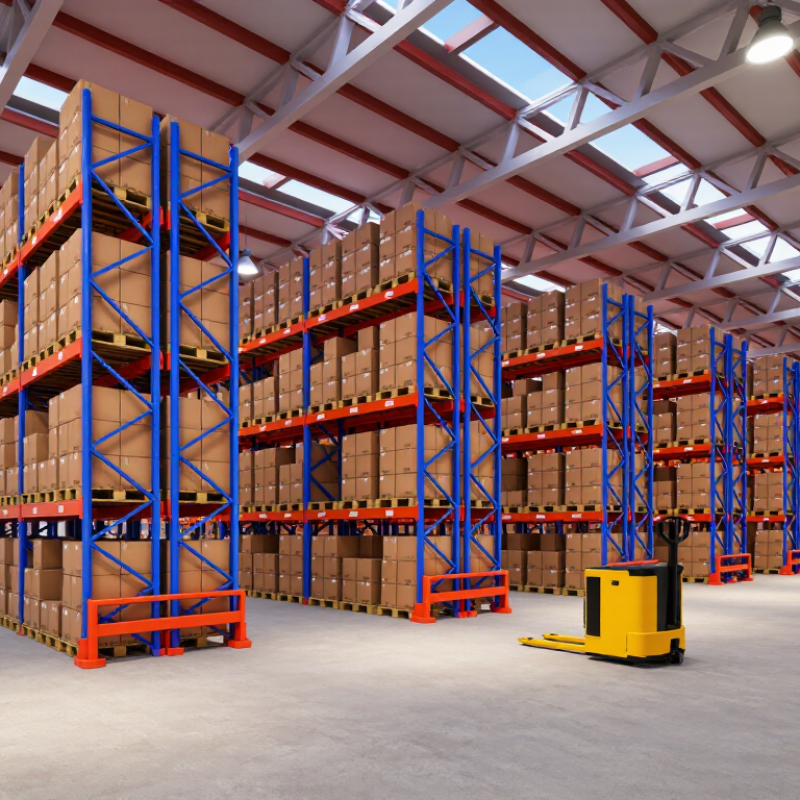
What Used Warehouse Racking Suppliers Offer
Used warehouse racking suppliers can offer more than second-hand frames and beams. Many assess your storage needs, aisle widths, pallet sizes, and forklift access before suggesting a layout. Some provide selective pallet racking, shelving, mesh decking, guards, and replacement components. The available stock changes often, so a suitable configuration may require mixed-age parts. That matters.
A careful supplier should describe visible wear and confirm component dimensions and stated load ratings. Ask whether beams, frames, and connectors belong to compatible systems. Request a written inspection record, clear photographs, and a layout showing bay positions and capacity details. Delivery, installation, and dismantling services may also be available, but their scope varies. Do not assume used equipment fits your building without checking floor condition, ceiling clearance, and operating space. I have seen small measurement errors create costly adjustments. It is easy to overlook them.
Tips: Compare the full delivered cost, not just the rack price. Check each part before installation, and keep load information visible. If documentation is incomplete, pause and ask for clarification.
How to Evaluate Suppliers Worldwide
When comparing used warehouse racking suppliers worldwide, look beyond price and catalog photos. Ask for the system type, beam lengths, upright dimensions, and rated capacity for each lot. Request clear photos of connectors, base plates, and any visible bends or corrosion. A low quote means little if key components are missing. Ask how the supplier checks condition and records defects. Get the inspection details in writing.
Confirm that the quoted parts match your existing layout, or request drawings before purchase. Check whether load ratings are documented and whether replacement parts are available. Ask how items are counted, labeled, and packed for shipment. Delivery estimates should include loading and handling details, not just a port date. A tidy spreadsheet can still hide mismatched components. I would not rely on photos alone; remote checks have limits, and an independent inspection may be worthwhile for large orders. Small details matter.
Tips: Compare at least three written quotes using the same specifications. Ask for a sample inventory list and references from buyers with similar projects. Clarify what happens if received items differ from the agreed condition. Keep a little flexibility in your schedule; international freight can shift. And be honest about your own measurements—one rushed aisle check can distort the whole order.
Top 10 Used Warehouse Racking Suppliers Worldwide — How to Evaluate Suppliers
Suggested evaluation weights for comparing suppliers—not measured market data or a ranking. Check each supplier’s documentation, equipment condition, delivery capability, and service against your project requirements.
Profiles of 10 Used Warehouse Racking Suppliers
Profiles of 10 Used Warehouse Racking Suppliers
These profiles describe supplier types found in major markets; stock and service areas change over time. A North American regional dealer often offers local inspections and collection. A European reseller may specialize in pallet racking with documented load details. A UK-focused supplier may provide layout planning alongside used components. A Southeast Asian distributor can be useful for mixed new and refurbished stock. An Australian supplier may prioritize delivery planning for distant sites.
A Middle Eastern equipment trader may source several racking styles for large facilities. A Latin American reseller may offer practical local support and flexible inventory. An online marketplace seller can provide broad listings, but condition checks matter. A dismantling specialist may sort, clean, and grade recovered beams and frames. A service-led supplier may help with measurements and installation coordination. Details vary. A polished catalog alone proves little.
Tips: Ask for clear photos of uprights, beams, connectors, and footplates. Confirm dimensions, load ratings, quantities, and visible damage in writing. Compare delivery and installation costs, too. One overlooked detail can delay a warehouse setup.
Supplier Coverage, Inventory, and Services
Used warehouse racking suppliers differ in more than price.
Their service areas shape delivery times, freight costs, and access to replacement parts. Some serve broad regional markets; others focus on nearby warehouses and offer quicker site visits. Ask whether coverage includes your location, not just the nearest major city.
A map can be reassuring. It is not a delivery plan.
Inventory also varies by beam length, frame height, load rating, and finish. Request current measurements and clear photos of connection points, base plates, and any visible damage. “Available” may mean stored off-site or awaiting inspection, so confirm quantities and dispatch dates in writing.
That detail is easy to miss.
Used components may also show wear that photographs do not reveal.
Practical services can reduce installation headaches. Look for help with layout checks, compatibility questions, loading plans, and organized transport. A supplier should explain what has been inspected and what remains uncertain. For example, ask whether mixed batches have consistent dimensions and whether the proposed configuration suits your pallet sizes and handling equipment.
Even a careful supplier cannot assess every warehouse condition remotely. Share aisle widths, ceiling clearance, and floor details before accepting a quote. Some buyers skip that step, then discover the fit is awkward.
The reflection is simple: good inventory matters, but accurate information matters just as much.
Factors to Consider When Selecting a Supplier
Choosing a used warehouse racking supplier takes more than comparing prices. Ask how each system was inspected and graded. Look closely at upright frames, beam connectors, footplates, and locking pins. Bent posts, cracked welds, or missing pins are warning signs. Request clear photos and measurements, not just a broad condition label. Confirm that the proposed parts match your layout and load requirements. A low quote can become costly if key components are missing.
Tips: Share your aisle widths, pallet sizes, and target load before requesting a quote. Ask for written load information and an itemized parts list. Check how the supplier handles damaged or mismatched pieces. Details matter. Also ask about packing, delivery timing, and installation guidance, especially for cross-border shipments. Get the answers in writing.
A reliable supplier should explain what is known and what remains uncertain. Ask whether the racks have a documented inspection history, and whether replacement parts can be sourced later. Compare stock consistency; a mixed batch may be harder to configure than it first appears. It is easy to focus on price and overlook small compatibility issues. I would still verify critical measurements on site, because even careful paperwork can miss a detail.