7 Best Pallet Racking Systems for Warehouses
A warehouse can lose valuable space when pallets are hard to reach, aisles are poorly planned, or stock moves faster than the layout allows. A suitable Pallet Racking System helps organize inventory, improve access, and use vertical space more effectively. The best choice depends on what the building actually handles: pallet dimensions, load weights, product turnover, handling equipment, and available floor space.
Small details matter. A forklift’s turning radius can change aisle requirements. Uneven floors, sprinkler clearance, and pallet overhang can affect a layout too. They are easy to overlook. No rack is perfect. A high-density system may store more pallets, but it can limit direct access to individual loads. Selective racking offers easier access, though it may use more aisle space. The trade-off is real.
This guide compares seven popular pallet racking systems for warehouses, including their typical uses, benefits, and limitations. It focuses on practical questions buyers can verify: how stock flows, how often each pallet is accessed, and whether the system suits the available equipment. Where specifications vary by supplier or site, confirm them with a qualified racking professional before making a decision. A product description cannot replace a measured layout. Use the comparisons as a starting point, then check the details against your operation. Sometimes the simplest system is the right one; sometimes it is not.
Pallet Racking Basics and Warehouse Storage Principles
Pallet racking uses vertical space to keep goods accessible and organized. A warehouse plan should start with the actual pallets, not a catalog drawing. Measure pallet size, load weight, ceiling height, sprinkler clearance, and forklift turning space. Each rack bay has a rated capacity; follow its posted limits and include the weight of the pallet and goods. Check labels often. They can be overlooked.
Keep heavier loads on lower levels, and place pallets squarely on the beams. Aisles need enough room for the equipment and its operators to turn safely. Too-narrow aisles may save floor space on paper, but slow daily work and increase contact risks. Floor condition matters too: uneven concrete can affect rack stability, so seek a qualified assessment before installation or changes.
Selective racks offer direct access to each pallet, while drive-in racks trade some access for higher storage density. Push-back and pallet-flow systems can suit particular inventory patterns, but they need compatible loads and disciplined replenishment. Match the system to how stock moves. Fast-moving goods may belong near dispatch; slower stock can use less accessible positions. A common planning miss is designing around peak capacity alone. Real warehouses also need room for damaged pallets, changing inventory, and human error. Walk the proposed layout with forklift operators before committing. Their feedback may reveal a blind spot.
Selective Pallet Racking for Direct Access to Every Load
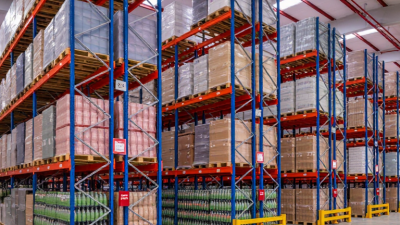
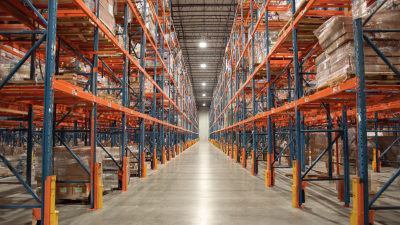
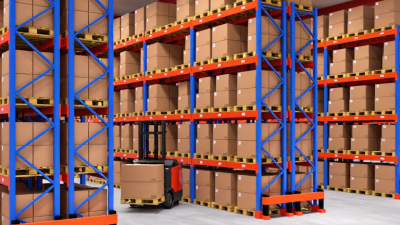
Selective pallet racking gives workers direct access to every stored load. Each pallet sits in its own position, so staff can retrieve a specific item without moving another pallet first. That can help warehouses manage mixed products, changing stock levels, and frequent picking.
Aisles need room for the equipment and safe turning, though, so this layout may use more floor space than higher-density systems. That trade-off matters. A clear aisle matters.
Tips: Measure pallet sizes, load weights, and forklift turning space before planning rows. Confirm rack capacity and floor suitability with qualified professionals. Keep load labels visible, and inspect beams and connections regularly.
In practice, consistent placement makes the access advantage useful. For example, workers should be able to identify the correct pallet from the aisle and approach it without blocked corners or stray stock. Marking locations clearly can reduce searching, especially when similar cartons share a bay. Check that the heaviest loads sit in positions designed for them, and avoid assuming every pallet has the same weight. One overlooked issue is changing inventory: a layout that works during a quiet season may feel cramped when picking volume rises. Review aisle clearance and rack condition as operations change, and adjust the plan when the evidence calls for it.
Flow and Shuttle Systems for Fast, Dense Pallet Storage
Flow and shuttle systems can increase pallet density while keeping replenishment and picking lanes organized. In a flow rack, pallets move by gravity along inclined rollers. Operators load one end and retrieve stock from the other, supporting first-in, first-out rotation. It works well when products move steadily and pallet sizes remain consistent.
A small trial can reveal problems before a full installation. Check whether the heaviest pallets roll smoothly, whether lane brakes control their speed, and whether pickers can reach the discharge face without awkward turns. A damaged pallet may snag. So can a load that overhangs its runners. These details sound minor, but they can interrupt a busy shift.
Shuttle systems use a powered cart to carry pallets through deep storage lanes, reducing forklift travel inside the rack. They suit large quantities of similar products, especially when each lane holds one SKU. Depending on the operating method, stock can follow FIFO or last-in, first-out rotation. That flexibility is useful, but it is not automatic. Lane depth, pallet condition, charging routines, and recovery procedures all need careful planning. More storage density can also make stock checks less visible. I would measure retrieval time and access needs before trading every open aisle for another deep lane.
7 Best Pallet Racking Systems for Warehouses: Direct Pallet Access
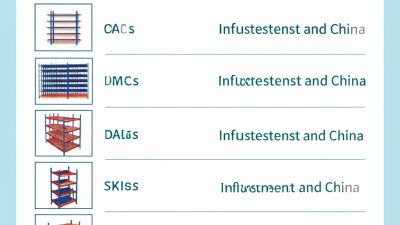
This chart compares whether a pallet can typically be retrieved without first moving another pallet. Selective and mobile racking provide direct access; the other systems shown use depth lanes where access to some pallets may require moving pallets ahead of them. Actual configurations can vary.
Mobile Pallet Racking for Flexible, Space-Efficient Warehouses
Mobile pallet racking places storage rows on powered bases that move along floor rails. Instead of leaving a fixed aisle between every row, operators open an aisle where picking is needed. That can reclaim useful floor space in warehouses with many pallet locations and relatively few simultaneous picks.
The benefit depends on the work pattern. A cold-storage facility, for example, may value reduced unused aisle space, while a busy dispatch area may need several aisles open at once. Staff typically select a row through a control panel or remote, then wait for the system to create access. Not instant. Picking plans should account for that pause, especially during peak shifts.
Before installation, review slab condition, floor loading, pallet dimensions, lift-truck clearances, and emergency access with qualified professionals. Sensors, aisle lights, and stop controls can support safer operation, but they do not replace training or clear procedures. Measure actual order frequency, not just total pallet capacity. A compact layout can feel efficient on paper and still create bottlenecks if too few aisles are available. It is not a universal fix; future product changes and maintenance access deserve attention too.