How to Choose Warehouse Pallet Racks in 2026?
Choosing Warehouse Pallet Racks in 2026 starts with the goods, not a glossy catalog. A pallet of bottled drinks needs different support than cartons of lightweight parts. Measure load weight, pallet dimensions, turnover, and the equipment that will enter each aisle. Then compare selective, drive-in, push-back, and pallet-flow systems against those real conditions. More storage density can reduce access. That trade-off is easy to underestimate.
Warehouse design researcher John J. Bartholdi III has written extensively about warehouse operations. The following is a paraphrase of the practical lesson his work supports, not a verbatim quotation: “Design storage around how goods move, not just where they fit.” That distinction matters when a site handles fast-moving items beside slow stock. In 2026, also check clear heights, floor capacity, sprinkler clearances, and any planned automation. Small details count. A forklift mast that barely clears a beam can turn a tidy layout into a daily bottleneck.
This guide will help you assess capacity, aisle width, rack type, safety features, and future expansion. Ask suppliers for load plaques and design documentation, and have qualified professionals verify site-specific requirements. A spreadsheet can estimate positions; it cannot reveal every awkward turn or uneven floor. Some assumptions will need revisiting after a physical walkthrough. That is not a flaw in planning. It is a reason to measure carefully before committing to Warehouse Pallet Racks.
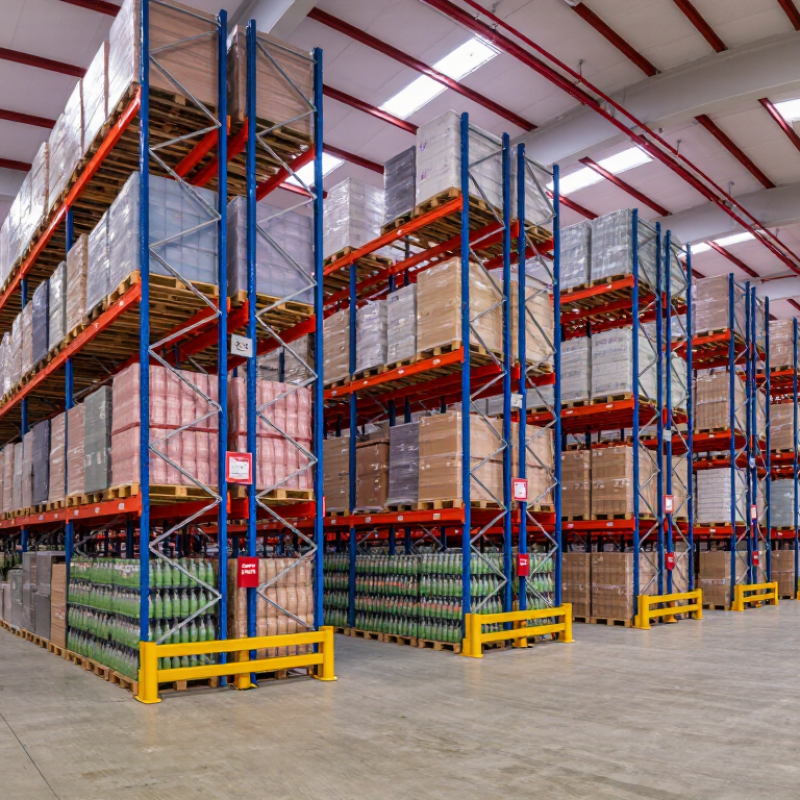
Assess Warehouse Storage Needs and Inventory Characteristics
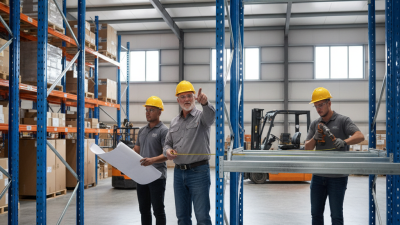
Before choosing pallet racks, measure the warehouse and the loads they must hold. Record clear ceiling height, column locations, sprinkler clearance, aisle width, and floor conditions. Then measure the largest pallet, including any overhang, and weigh a fully loaded unit. Rack capacity depends on both beam and frame ratings, so estimates based on average loads can be misleading.
Inventory patterns matter just as much as dimensions. Count pallet positions by product, note seasonal peaks, and separate fast-moving items from slow movers. If workers pick individual cases often, selective racks may reduce handling time. For large quantities of a few products, higher-density systems may fit better, but they can limit access. It’s a trade-off. Check whether products need first-in, first-out rotation, and consider packaging that changes shape or stability during storage.
Look at the equipment used every day. A reach truck needs different aisle space from a counterbalance forklift, and turning room is easy to underestimate. Walk the proposed layout with operators, using the actual truck if possible. A drawing may look efficient and still create awkward blind spots. I’ve seen plans overlook temporary staging near receiving; those pallets have to go somewhere. Review the busiest shift, not just an average day, and confirm load ratings and clearances with a qualified rack professional before installation.
| Assessment Dimension | Inventory or Operating Pattern | Planning Data to Collect | Potential Rack Type | Why It May Fit | Key Checks Before Selection |
|---|---|---|---|---|---|
| SKU variety and pallet quantity | Many SKUs with only a few pallets per SKU | SKU count; pallets per SKU; number of distinct pallet locations required | Selective pallet rack | Provides direct access to each stored pallet and suits operations that need frequent selection across many SKUs. | Confirm aisle width, required pick access, and whether the available floor area can accommodate the number of locations. |
| Storage density | Fewer SKUs with several pallets of each SKU | Pallets per SKU; desired storage density; acceptable travel distance | Double-deep rack | Stores pallets two positions deep, increasing density compared with single-deep selective storage while retaining access from the aisle to the front pallet. | Check reach-truck compatibility, pallet depth, load dimensions, and access requirements for rear pallets. |
| High-volume, low-variety inventory | Large quantities of a small number of SKUs; pallets can be stored in lanes | Lane depth; pallets per SKU; product rotation; replenishment frequency | Drive-in or drive-through rack | Reduces the number of access aisles by allowing a lift truck to enter a storage lane; typically suits dense storage of similar loads. | Assess load stability, lane depth, truck maneuverability, and the effect of reduced selectivity. Drive-in commonly uses a last-in, first-out access pattern; drive-through can support access from both ends. |
| First-in, first-out rotation | Lots should be retrieved in the order they are received | Lot dates; expiration dates; daily pallet throughput; lane replenishment cycle | Pallet flow rack | Gravity rollers move pallets from the loading side toward the picking side, supporting a first-in, first-out flow when the system is correctly loaded and managed. | Validate pallet quality, load dimensions, roller suitability, lane capacity, and controls for safe loading and discharge. |
| Last-in, first-out access acceptable | Inventory does not require strict age-based rotation and is stored in deep lanes | SKU concentration; lane depth; replenishment and picking method | Push-back rack | Multiple pallets can be stored at each lane position, with pallets moved back as new loads are added and retrieved from the aisle side. | Confirm pallet and load consistency, lane depth, lift-truck operating method, and whether last-in, first-out access suits the product. |
| Seasonal or changing demand | Inventory levels and storage requirements vary during the year | Peak and average pallet counts; seasonal SKU mix; expected growth | Selective rack, potentially combined with higher-density zones | A mixed layout can preserve direct access for frequently picked items while using denser storage for reserve or seasonal stock. | Size the layout using peak inventory and throughput, not average stock alone; allow for replenishment space and operational changes. |
| Pallet and load characteristics | Loads vary in footprint, height, weight, or overhang | Pallet dimensions; total loaded height; gross weight; load stability; overhang | Rack configuration designed for the actual load | Beam levels, frame depth, clearances, and rated capacities must match the loads being stored. | Use actual maximum load data. Check pallet condition, load distribution, beam capacity, upright capacity, and required clearances with a qualified rack designer. |
| Building and equipment constraints | Existing building, floor, truck fleet, or fire-protection limits shape the layout | Clear height; column locations; aisle width; floor capacity; sprinkler and egress requirements | Rack type selected after site and equipment review | The usable storage layout depends on the building, material-handling equipment, and applicable safety requirements—not just rack height or density. | Verify floor conditions, anchoring, seismic requirements where applicable, fire-code clearances, sprinkler coverage, and local regulations. |
Planning note: The recommendations are general selection guidance, not engineered specifications. Confirm final rack design, load ratings, clearances, equipment compatibility, and regulatory requirements for the specific facility and inventory.
Related Posts
-
China Top 10 Pallet Shelving Manufacturers for Global Buyers
-

How to Choose the Best Pallet Racking System for Maximum Warehouse Efficiency
-
How to Choose the Best Pallet Rack Uprights for Maximum Warehouse Efficiency
-

Common Issues Faced During Pallet Racking Installation and How to Overcome Them
-
2025's Top 10 Pallet Racking Systems: Optimize Your Warehouse Efficiency
-
Top Tips for Efficient Pallet Racking Installation What You Need to Know?