What is a Wood Board Baler and How Does it Work?
The Wood Board Baler is an essential machine in the recycling industry. It compresses wood waste into compact bales for easier handling and transportation. According to a report from the Recycling Industry Bulletin, the demand for efficient waste management solutions grows annually by 5%. This reflects the urgent need for effective machinery.
Many sawmills and woodworking facilities face challenges in managing wood scraps. The Wood Board Baler effectively addresses these challenges. Utilizing advanced technology, it optimizes waste storage while minimizing environmental impact. The Environmental Protection Agency (EPA) cites that wood waste comprises nearly 10% of landfill contents. This emphasizes the importance of recycling wood material.
Despite its benefits, some manufacturers struggle with machine maintenance. Regular upkeep is necessary to ensure optimal performance. In some instances, balers may produce inconsistent bale sizes, causing inefficiencies. These issues highlight the importance of proper training in operating the Wood Board Baler. Continuous innovation in design ultimately leads to better functionality and user satisfaction.
What is a Wood Board Baler? Definition and Purpose Explained
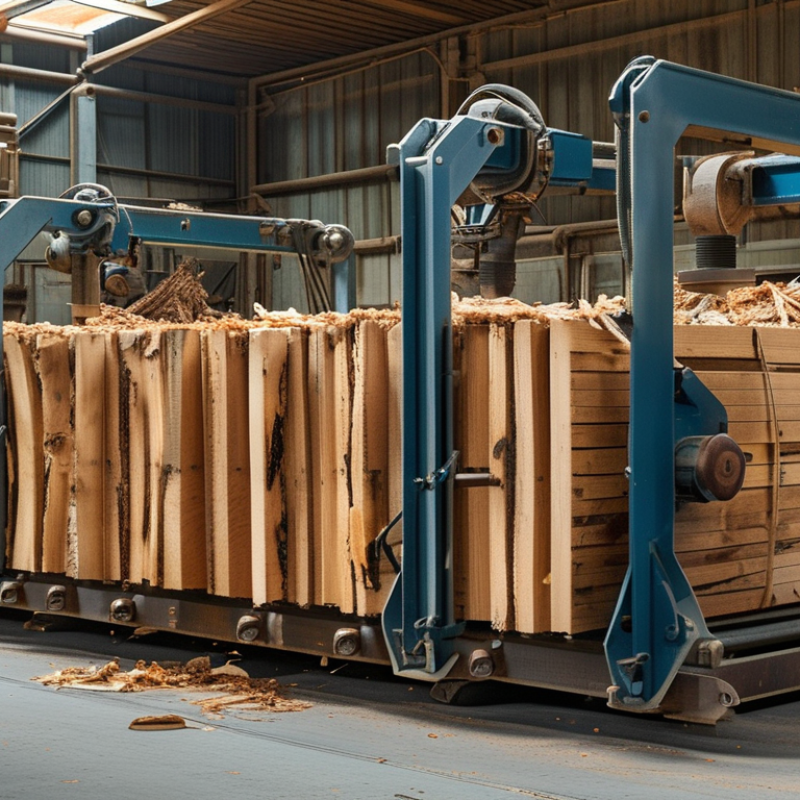
A wood board baler is a specialized machine designed to compress wood materials into compact bales. These bales are easier to transport and store. The primary purpose of a wood board baler is to maximize space efficiency and facilitate recycling and disposal of wood waste. It plays a vital role in industries like woodworking, construction, and manufacturing.
The operation of a wood board baler involves several steps. First, wood waste is fed into the machine. The baler uses hydraulic pressure to compress the materials tightly. The device then binds the compressed wood with wire or plastic straps. This ensures that the bales remain intact and manageable. Proper handling of wood waste is essential. It can reduce landfill contributions and promote recycling efforts.
While wood board balers are efficient, they require regular maintenance. Neglecting this can lead to operational issues. Operators should be aware of the need for routine checks to ensure performance. Understanding this machinery is crucial for maximizing its benefits in wood waste management.
What is a Wood Board Baler and How Does it Work?
| Feature | Description |
| Definition | A wood board baler is a machine designed to compress and bind wooden materials, such as boards and scraps, into compact bales for easier handling and transportation. |
| Purpose | To reduce the volume of wood waste and make it easier to store, ship, or recycle. |
| How It Works | The baler uses hydraulic or mechanical force to compress wood materials into a bale, which is then tied using wire or twine. |
| Types | There are different types of wood board balers, including horizontal balers, vertical balers, and manual balers, each suitable for various volumes of wood waste. |
| Benefits | Increased efficiency in waste disposal, reduced handling costs, and better environmental sustainability through recycling. |
| Applications | Used in lumber mills, woodworking shops, and recycling centers to manage wood waste effectively. |
Key Components of a Wood Board Baler: Insights into Design
A wood board baler is an essential machine in the lumber industry. It compresses wood waste into manageable bales for easy transportation and recycling. Understanding its key components helps improve its efficiency.
The primary component is the compaction chamber. This is where the wood boards are accumulated. A hydraulic system then exerts pressure, compressing the boards into a tight bundle. The mechanism requires precise calibration. Any misalignment can lead to operational issues.
Another crucial part is the tying unit. It securely binds the bales with wire or string. This ensures they do not fall apart during handling. Regular maintenance is vital here. If the tying system fails, it can disrupt the workflow. Operators should always check this component for wear and tear. By focusing on these design insights, users can enhance performance and learn the machine's nuances.
How Does a Wood Board Baler Operate? Step-by-Step Process Overview
A wood board baler is a crucial machine in recycling operations. It helps compress wood waste into manageable bales. This process saves space and facilitates easy transportation. Understanding how it operates can enhance efficiency.
To start, the wood boards are fed into the baler. This can be done manually or automatically. Once inside, the machine cuts and compresses the material. A hydraulic system applies pressure, forming dense bales. After bales are created, they are tied with wire or plastic for stability.
Tips: Ensure the machine is well-maintained. Regularly check hydraulic fluids and blades for optimal performance. Training staff on safety protocols can significantly reduce accidents.
Monitoring the baler's output is essential. Inefficiencies may signal problems. Adjusting settings or addressing mechanical issues can streamline operations. Remember, small adjustments can yield significant improvements.
Benefits of Using a Wood Board Baler in Recycling Operations
Wood board balers are vital for recycling operations focused on wooden materials. They compact wood waste into manageable bales. This process enhances storage efficiency and streamlines transportation. The baled wood takes less space, making logistics more effective. Moreover, fewer trips are required for disposal, reducing carbon emissions.
Using a wood board baler can significantly boost recycling rates. Baling wood waste can lead to higher value products in the industry. It enables easier separation of different wood types, facilitating better recycling outcomes. However, equipment maintenance is crucial to ensure smooth operations. Neglecting maintenance could lead to downtime and inefficiencies.
Incorporating wood board balers also supports sustainability. They minimize landfill waste, contributing to a greener planet. Yet, some facilities may hesitate to invest due to initial costs. This concern needs addressing. The long-term savings from enhanced efficiency often outweigh these upfront expenses. Balers are not just machines; they are crucial tools in promoting responsible wood waste management.
Industry Standards and Efficiency Metrics for Wood Board Balers
Wood board balers are essential equipment in the recycling industry. They compact wood waste into manageable bales, enhancing efficiency in storage and transportation. The industry has established standards to evaluate the performance of these machines. Key metrics include bale density, production rate, and energy consumption.
A study by the Recycling Industries Association revealed that an optimal wood board baler should achieve a bale density of 700 pounds per cubic yard. Inefficient balers, however, often fall short, producing bales of only 500 pounds per cubic yard. This disparity not only affects transportation costs but also impacts the overall effectiveness of recycling operations. Moreover, energy efficiency is paramount, with leading balers consuming 2.5 kilowatt-hours per ton of material. In contrast, outdated models may use up to 5 kilowatt-hours, burdening businesses with high energy bills.
With varying standards, some facilities are now reassessing their current equipment. They recognize how crucial it is to balance efficiency and environmental responsibility. By upgrading to newer models, companies can comply with industry benchmarks while minimizing operational costs. However, this transition requires an initial investment that not all businesses are ready to make. Balancing these factors is a challenge that many within the industry grapple with.