
425 Sovereign Ct. St. Louis, MO 63011
SEARCH OUR WEBSITE

Where to Find the Best Automated Conveyors in China?

Finding the best Automated Conveyors in China takes more than comparing catalog prices. Buyers need to match conveyor design with product dimensions, throughput, floor layout, and operating conditions. China’s automation base offers useful context. According to the International Federation of Robotics’ World Robotics 2024 report, China installed 276,288 industrial robots in 2023, representing 51% of global installations. That figure signals a deepening automation ecosystem, but it is not a direct measure of conveyor quality. Conveyors are a separate investment.

A practical search can begin with established industrial equipment suppliers and conveyor specialists in manufacturing hubs such as Guangdong, Zhejiang, and Jiangsu. Treat location as a starting point, not a guarantee. Request layout drawings, component specifications, control-system details, and references from facilities handling similar loads. Ask for proof. A live factory test can reveal belt tracking, transfer-point gaps, noise, and access for maintenance—details a polished brochure may miss. Check how the supplier handles installation, spare parts, and technical support after delivery.

The strongest choice is usually the system that fits the process, not the one with the most features. Compare total operating costs alongside purchase price, and confirm capacity using your actual products and peak demand. That matters. Published automation figures provide useful industry context, yet they cannot replace site checks or independent verification. Some supplier claims may sound convincing; test them against measurable performance criteria before deciding.
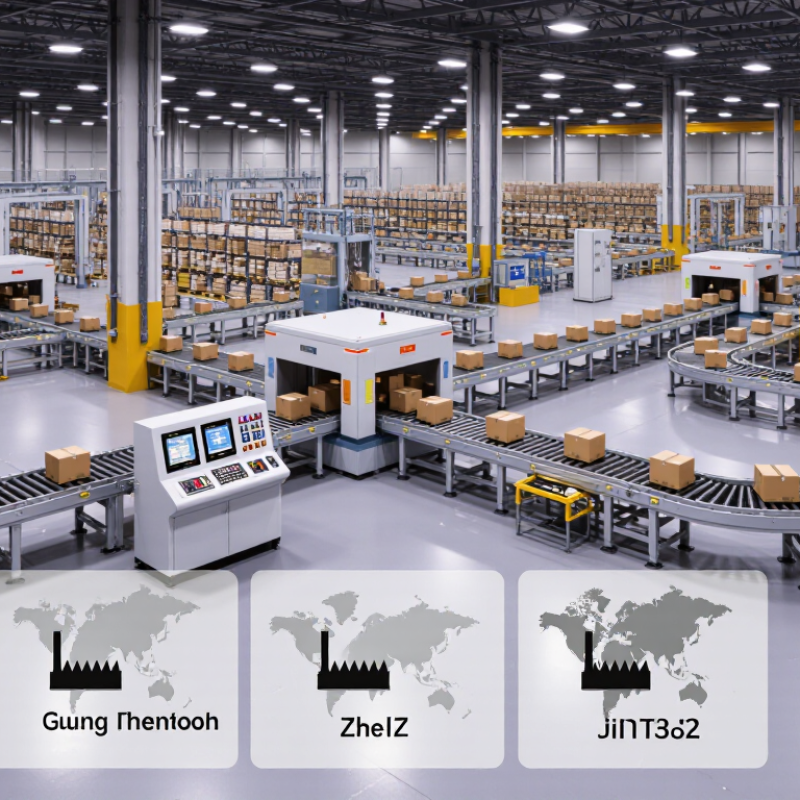
Where to Find the Best Automated Conveyors in China?

Understanding China's Automated Conveyor Industry

China’s automated conveyor industry is expanding alongside parcel logistics and factory modernization. The State Post Bureau reported 174.5 billion express-delivery items in 2024, up 21.5% year on year. That volume puts pressure on sorting hubs, where belt speed, merge accuracy, and jam recovery matter more than impressive catalog figures. Details matter. The International Federation of Robotics reported 276,288 industrial robot installations in China in 2023, representing 51% of global installations. This broader automation indicator helps explain investment momentum, but it is not a conveyor-market measurement.

Conveyor systems in China range from simple belt lines to integrated roller, sortation, and control systems. When assessing suppliers, buyers should compare throughput under actual parcel sizes, noise levels, maintenance access, and spare-part lead times. Ask for test results from a layout similar to your facility, not only a maximum-speed claim. Not every site fits. A dense urban distribution center may need compact curves and frequent divert points; a factory may prioritize stable flow between workstations. One limitation in public industry data is that conveyor-specific figures are rarely reported consistently, so market-size estimates deserve caution. Site visits and documented acceptance tests can offer stronger evidence than broad forecasts.


Key Manufacturing Regions for Automated Conveyor Systems

Where to Find the Best Automated Conveyors in China?

Key Manufacturing Regions for Automated Conveyor Systems

China’s main conveyor-sourcing corridors include the Yangtze River Delta, the Pearl River Delta, and Shandong. The Yangtze River Delta, spanning Shanghai, Jiangsu, and Zhejiang, has a dense base of machinery and electronics suppliers. Guangdong’s Pearl River Delta is closely linked to electronics and export manufacturing. Shandong offers another option for projects serving heavy industry and logistics. These are useful starting points, not guarantees of quality.

Automation capacity is growing. The International Federation of Robotics’ World Robotics 2024 report says China installed 276,288 industrial robots in 2023, around 51% of global installations. That figure reflects wider factory automation, not conveyor sales specifically. When comparing suppliers, request drawings, load and speed specifications, component lists, and a factory acceptance test plan. A polished brochure is not enough; I would check how the supplier handles jams, noise, and maintenance access on the actual line.

Tips: Ask for a layout based on your product dimensions and peak throughput. Confirm local service coverage, spare-part lead times, and controls compatibility in writing. If possible, inspect a running system. A short visit can reveal awkward transfer points that a drawing may miss.

Types of Conveyor Suppliers and Their Specialties

Where to Find the Best Automated Conveyors in China?
Types of Conveyor Suppliers and Their Specialties

China’s conveyor suppliers generally fall into three groups. Equipment manufacturers build standard belt, roller, chain, or modular systems. They suit buyers with clear layouts and repeatable loads. System integrators connect conveyors with sorting, scanning, controls, and warehouse software. They are a better fit when several processes must work together. Component specialists supply motors, rollers, belts, sensors, or control parts. Their expertise can help with repairs or custom upgrades, but buyers may need to coordinate multiple vendors.

The choice matters as automation needs grow. Grand View Research valued the global conveyor system market at about US$7.7 billion in 2023 and projected 4.5% annual growth from 2024 to 2030. That estimate signals opportunity, not guaranteed supplier quality. Ask for load, speed, noise, and uptime figures from comparable installations. Request layout drawings and a clear list of what commissioning includes. A polished catalogue can still leave gaps. Check how the supplier handles spare parts, software changes, and on-site troubleshooting.

Tips: Send suppliers the same product dimensions, peak hourly volume, and site layout. Compare their answers side by side. Ask who owns integration risks. A low quote may exclude controls or installation. That detail is easy to miss.

Where to Find the Best Automated Conveyors in China? - Types of Conveyor Suppliers and Their Specialties

Supplier Type Typical Specialties Best-Fit Applications Where to Find Them What to Verify Before Buying
Conveyor Equipment Manufacturer Belt, roller, chain, and modular-belt conveyors; standard frames and configurable line sections. Assembly lines, packaging areas, distribution facilities, and general material handling. Industrial sourcing platforms, manufacturing directories, and logistics or automation trade shows in China. Load capacity, belt or roller specifications, frame material, safety guarding, production lead time, and spare-parts availability.
Automated Sortation System Supplier Cross-belt, sliding-shoe, wheel, and other automated parcel or item-sorting systems. Parcel hubs, e-commerce fulfillment centers, postal operations, and high-throughput distribution centers. Material-handling trade fairs, warehouse-automation exhibitions, and specialist system-supplier directories. Required throughput, item-size range, sort destinations, scanning and controls integration, uptime targets, and site layout requirements.
Warehouse Automation System Integrator Combines conveyors with warehouse control software, scanners, sorters, storage systems, and other equipment. Projects requiring coordinated material flow across multiple warehouse or production processes. Automation industry exhibitions, engineering-service directories, and referrals from warehouse or factory project teams. Project references, integration scope, software compatibility, commissioning plan, service coverage, and responsibility for the complete system.
Roller Conveyor Specialist Gravity roller, powered roller, accumulation, and pallet-conveying sections. Carton handling, pallet transfer, shipping areas, and production lines with defined transfer points. Industrial equipment marketplaces and suppliers focused on warehouse and factory material handling. Roller diameter and pitch, maximum load, drive type, accumulation method, transfer design, and compatibility with the conveyed goods.
Belt and Modular-Belt Conveyor Specialist Flat-belt, cleated-belt, inclined, curved, and modular plastic-belt conveyors. Food processing, packaging, light manufacturing, and applications requiring controlled product movement. Packaging and processing exhibitions, conveyor manufacturer directories, and industrial sourcing platforms. Belt material, food-contact documentation where applicable, temperature and washdown limits, incline capability, and cleaning access.
Overhead Conveyor Supplier Monorail, power-and-free, and suspended-carrier conveyor systems. Paint shops, automotive production, garment handling, and facilities that need to keep floor space clear. Automotive manufacturing and industrial automation exhibitions, plus specialist engineering directories. Payload per carrier, track layout, suspension and support requirements, process conditions, maintenance access, and safety provisions.
Conveyor Components Supplier Motors, gearboxes, rollers, belts, bearings, sensors, drives, and control components. System repairs, upgrades, spare-parts programs, and projects where the conveyor structure is sourced separately. Industrial component marketplaces, automation distributors, and specialist component directories. Part dimensions, electrical ratings, operating environment, interface compatibility, documentation, and replacement-part lead times.
Custom Conveyor Engineering Provider Non-standard layouts, custom frames, special transfers, and conveyors designed around a specific process. Space-constrained sites, unusual product shapes, retrofit projects, and production lines with unique handling needs. Engineering and automation exhibitions, project-based sourcing networks, and referrals from equipment or factory planners. Design drawings, load and speed calculations, prototype or testing options, change-control process, installation scope, and acceptance criteria.

How to Evaluate Automated Conveyor Manufacturers

Evaluate a manufacturer against your real operating conditions, not a catalog image. Share the product dimensions, maximum weight, target throughput, and hours of daily operation. Ask how the proposed conveyor handles uneven loads, tight transfers, and accumulation near packing stations. Small details matter. A system that works at low speed may jam when demand rises.

Request a layout drawing, throughput assumptions, and a clear list of included components. Ask for test data using loads similar to yours. Watch it run. During a factory visit or live demonstration, listen for belt tracking noise and observe how sensors respond to closely spaced items. Check whether controls can connect with your existing equipment, and confirm what training, spare parts, and remote support are available. Ask how long common wear parts take to replace.

A polished demonstration is useful, but it is not proof of reliable performance. Ask for references from facilities with similar products and shift patterns, then verify what happened after installation. Review the warranty terms and commissioning plan in writing. One easy-to-miss gap is maintenance access: a motor hidden behind a frame can turn a simple repair into lost production time. I would still compare more than one proposal; the lowest price can hide assumptions about speed, guarding, or service that deserve a second look.

Where to Find and Verify Chinese Conveyor Suppliers

For automated conveyors in China, begin with established industrial directories, trade fairs, and manufacturing clusters in Guangdong, Jiangsu, and Zhejiang. Use these channels to build a shortlist, not to endorse a supplier. China installed 276,288 industrial robots in 2023, equal to 51% of global installations, according to the International Federation of Robotics’ World Robotics 2024 report. That scale signals a deep automation ecosystem, but it does not prove that any one conveyor maker can deliver your layout. Check whether the factory actually designs and assembles conveyors, or mainly resells components. A video call helps. Ask to see a running line, control cabinet, belt splice, and safety guarding—not only showroom footage.

Verify claims with a live production tour, customer references, and a written test plan. Request drawings, motor and sensor specifications, load limits, throughput assumptions, and spare-parts lead times. Test a sample carton or tote at your real speed; small alignment errors can become costly jams. MHI’s 2024 Annual Industry Report found that 55% of surveyed supply-chain professionals planned to increase technology investment. That is useful market context, not evidence of a supplier’s quality. Ask for a factory acceptance test with agreed measures for speed, noise, and fault recovery. Confirm the contracting entity and that certificates apply to the exact equipment offered. A polished audit can still miss problems. I would also record unresolved gaps, even when the supplier’s answers seem convincing.

Scroll to Top