What Are the 2026 Top Types of Felt Underlay?
Choosing the right Felt Underlay in 2026 requires more than comparing thickness and price. Flooring professionals now examine fiber composition, density, acoustic performance, thermal comfort, and long-term recovery after furniture pressure. A soft sample may feel impressive in a showroom, yet compress quickly beneath a heavy sofa. That detail matters.
This guide explores the leading types of felt underlay expected to attract attention in 2026, including recycled polyester felt, wool felt, blended-fiber felt, acoustic felt, and moisture-resistant options. Each material serves a different flooring situation. Recycled felt can support sustainability goals, while wool may provide natural resilience and warmth. Blended products often balance cost and performance. Acoustic varieties can reduce footfall noise, especially above bedrooms or home offices. However, product names are not always consistent. Some manufacturers use “premium” labels without publishing useful density or testing information.
Look for measurable evidence. Check thickness, mass per square metre, compressive strength, moisture behavior, and compatibility with the floor covering. Installation guidance also deserves attention. An underlay that suits carpet may perform poorly beneath floating wood flooring. It can even create movement or visible joints. Small mistakes become expensive.
There is no universal winner. Room use, subfloor condition, climate, and budget change the decision. This overview compares practical strengths and limitations, using manufacturer data, professional installation principles, and recognized testing considerations. Some recommendations may still need refinement as new products enter the market. That is worth acknowledging. Reliable choices come from verified specifications, careful fitting, and realistic expectations.
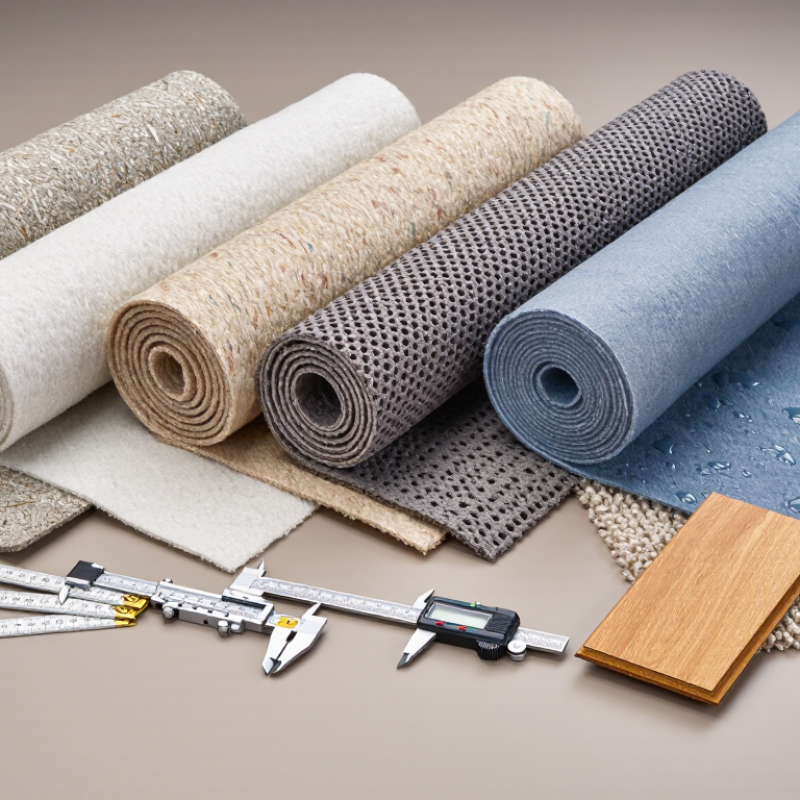
What Felt Underlay Is and Why It Matters in 2026
What Are the 2026 Top Types of Felt Underlay?
What Felt Underlay Is and Why It Matters in 2026
Felt underlay is a cushioning layer placed beneath carpets, rugs, or some resilient floors. It softens footfall, reduces surface wear, and helps manage small subfloor imperfections. In practice, installers often notice the difference at doorways first. A poor underlay can create ridges, movement, or premature flattening.
The leading 2026 options include wool felt, recycled polyester felt, needle-punched polypropylene, and composite felt with rubber or foam. Wool felt offers resilient cushioning and natural thermal insulation. Recycled polyester is lighter and usually easier to handle. Needle-punched polypropylene suits busy areas because its fibers resist compression. Composite felt can improve acoustic comfort, but performance depends heavily on thickness and density. More material is not always better.
Industry data supports closer material evaluation. Grand View Research’s 2024 felt market analysis identifies transportation, construction, and interior applications as major demand sectors. MarketsandMarkets’ 2024 nonwoven fabrics report also highlights recycled fibers and lightweight structures as important growth areas. These reports concern wider felt and nonwoven markets, not underlay alone, so direct flooring predictions remain imperfect. The Carpet and Rug Institute recommends checking installation compatibility, indoor-air-quality performance, and manufacturer testing. Buyers should also review declared density, moisture resistance, and compression recovery. A soft sample may feel impressive initially. It may not remain supportive after years of concentrated furniture loads.

How Natural Wool Felt Underlay Differs from Synthetic Felt
What Are the 2026 Top Types of Felt Underlay?
Natural wool felt underlay remains a strong choice for homeowners seeking comfort, durability, and lower environmental impact. Its dense fibers help soften footsteps and reduce room-to-room noise. Wool also manages moisture naturally, helping floors feel less clammy during seasonal changes. It feels warm.
Synthetic felt underlay is commonly made from polyester, recycled fibers, or blended materials. It usually offers consistent thickness and predictable performance across large installations. Many synthetic options resist mildew better in damp areas, but performance depends on fiber quality and backing design. Some are surprisingly resilient. Others compress quickly beneath heavy furniture.
The main difference is how each material responds over time. Wool can recover from light pressure, while synthetic felt may remain flattened after years of traffic. Wool also requires careful moisture control during installation. Synthetic felt often tolerates handling more easily. Neither material suits every floor. A concrete room with occasional dampness may need a synthetic option with suitable moisture protection. A quiet bedroom may benefit more from wool’s natural acoustic softness.
I would not describe wool as automatically superior. It can cost more and may need closer attention during fitting. Synthetic felt is not merely a cheaper substitute either. Its stable sizing can reduce installation errors. Check density, thickness, compression resistance, and floor compatibility before choosing. Ask for technical data, not vague comfort claims. Even experienced installers can overlook subfloor unevenness, which underlay cannot fully correct.
What Are the 2026 Top Types of Felt Underlay? - How Natural Wool Felt Underlay Differs from Synthetic Felt
| Felt Underlay Type | Primary Fiber Source | Key Performance Characteristics | Moisture and Humidity Behavior | Typical Uses | Main Limitations |
|---|---|---|---|---|---|
| Natural Wool Felt | Sheep wool fibers, mechanically felted or needle-punched | Good resilience, thermal insulation, sound absorption, and comfort underfoot. Wool fibers naturally have a crimped structure that helps trap air. | Wool can absorb and release water vapor, helping moderate humidity. It must still be protected from persistent liquid water and prolonged dampness. | Premium carpet underlay, rugs, acoustic panels, heritage interiors, and comfort-focused flooring systems | Usually costs more than common synthetic options; performance depends on fiber blend, density, thickness, and installation conditions. |
| Polyester Felt | Virgin polyester fibers, often needle-punched or thermally bonded | Lightweight, dimensionally stable, soft, and resistant to many common stains. Acoustic performance improves with greater thickness and open fiber structure. | Low moisture absorption compared with wool; dries relatively quickly, but does not regulate indoor humidity in the same way as wool. | Carpet cushioning, furniture protection, acoustic treatment, and general-purpose interior underlay | Petroleum-derived in virgin form; may melt or shrink when exposed to excessive heat, depending on construction. |
| Recycled PET Felt | Recycled polyethylene terephthalate, commonly sourced from used plastic packaging | Lightweight, resilient, easy to cut, and widely used for sound absorption. It can provide a useful balance between acoustic control and durability. | Low water absorption and relatively quick drying; moisture resistance does not make it waterproof. | Acoustic underlay, wall and ceiling panels, office interiors, exhibition spaces, and lightweight flooring assemblies | Synthetic material; recycled content, fire behavior, density, and acoustic results vary by product construction. |
| Polypropylene Felt | Polypropylene thermoplastic fibers | Very low moisture absorption, low density, and good resistance to many acids and alkalis. Often selected where moisture exposure is a concern. | Highly water-resistant at the fiber level, although seams, backing, and installation details can still allow water penetration. | Utility flooring, protective separation layers, damp-prone areas, packaging, and industrial applications | Lower thermal resistance than wool in many lightweight constructions; can soften under high heat and is not inherently biodegradable. |
| Polyamide (Nylon) Felt | Nylon, a synthetic polyamide fiber | High tensile strength, good abrasion resistance, and strong recovery in demanding applications. Suitable where mechanical durability is important. | Absorbs more moisture than polypropylene and may change dimensions slightly with humidity, depending on the grade and structure. | Heavy-use carpet systems, furniture components, machinery protection, and industrial liners | Generally more expensive than basic polypropylene or polyester felt; synthetic production and end-of-life recycling can be challenging. |
| Blended Wool-Synthetic Felt | Wool combined with polyester, nylon, or another synthetic fiber | Designed to combine wool's resilience and moisture buffering with synthetic fibers' consistency, strength, or lower cost. | Humidity response depends on the wool percentage. Synthetic content can reduce moisture absorption and improve dimensional stability. | Residential carpet underlay, rugs, acoustic products, and projects requiring a balance of comfort and durability | The environmental profile and performance cannot be judged from the blend name alone; fiber percentages and backing materials should be checked. |
Comparing Recycled, Acoustic, Thermal, and Heavy-Duty Felt Underlays
In 2026, recycled felt underlay remains a practical choice for environmentally conscious flooring projects. It often uses recovered textile fibers, reducing dependence on newly produced materials. Its performance depends on fiber quality, density, and compression resistance. A soft sample may feel comfortable initially, yet flatten under heavy furniture. Check technical data, not just recycled content. Moisture resistance also deserves attention in basements and ground-floor rooms.
Acoustic felt underlay is designed to reduce footfall noise and airborne sound transfer. Dense construction usually performs better beneath floating floors and busy corridors. In a room with children, the difference can be noticeable.
Thermal felt underlay adds insulation beneath cold floors, especially over concrete slabs. It can make morning surfaces feel less harsh. However, thicker material does not always mean better insulation. It may affect door clearance or floor stability. That detail is easy to miss.
Heavy-duty felt underlay suits offices, retail areas, workshops, and rooms with rolling loads. It needs strong recovery after pressure from chairs, cabinets, or display units. Look for consistent thickness and tested load performance. In my experience, installation quality can outweigh small product differences. Gaps, uneven seams, or trapped moisture may reduce every underlay’s value. No category wins every room. Compare expected traffic, noise, temperature, floor type, and local safety requirements before choosing. Some recommendations still need testing on the actual subfloor.
Key Factors for Choosing the Best Felt Underlay
What Are the 2026 Top Types of Felt Underlay?
Choosing felt underlay in 2026 requires more than comparing thickness and price. Start with the floor. Wool felt offers natural resilience, warmth, and effective sound absorption. Recycled polyester felt is usually lighter, consistent, and resistant to everyday compression. Blended felt can balance comfort, durability, and cost.
Some products include a rubber or foam backing, which may improve grip and moisture resistance. However, backing materials can change how the underlay behaves on timber, concrete, or heated floors.
Density often matters more than thickness. A dense layer supports heavy furniture and reduces premature flattening. A softer layer feels pleasant underfoot but may compress faster in busy areas. Check the product’s thermal resistance when using underfloor heating. Excessive insulation can restrict heat transfer.
For apartments, measure impact sound performance rather than trusting vague acoustic claims. Ask for tested data and installation conditions. Small details matter.
I once assumed a thicker underlay would always feel better. It created movement beneath the carpet and exposed uneven joins. That mistake changed my fitting checks. The subfloor must be clean, dry, and reasonably level. Test before fitting.
Also confirm fire performance, moisture limits, and compatibility with adhesives or grippers. Reliable specifications should identify density, thickness tolerance, recycled content, and relevant test standards.
No material is perfect. Wool may cost more and react to damp conditions.
Synthetic felt may offer steadier performance, but its environmental value depends on recycled content and disposal options.
Choose for the room, not only the sample.
Where Each Top Felt Underlay Type Works Best
Dense wool felt underlay works best beneath rugs on timber, stone, or other hard floors. It adds gentle cushioning without making the rug feel unstable. Its natural fibre structure also helps reduce footsteps and protects delicate flooring from abrasion. In bedrooms, studies, and quiet sitting rooms, this is often the most comfortable choice. Keep it dry. Wool can retain moisture if ventilation is poor.
Needle-punched polyester or recycled-fibre felt suits busy areas, stair runners, and wall-to-wall carpet. It resists compression better than many soft felt products, especially under frequent walking. It is also practical for households needing a lower-maintenance material. Hallways need durability. However, recycled content varies, so buyers should check fibre density and recovery claims rather than relying on a simple environmental label.
Rubber-felt and laminated felt underlays are useful where sound control and floor grip matter most. They can perform well beneath rugs in apartments, workrooms, and media spaces, where sliding and impact noise are common concerns. A thicker layer is not automatically better. Too much softness may create ripples, trapped moisture, or uneven furniture support. Professional installers usually test a small area first, because floor finish, rug weight, and ventilation can change the result. No type wins everywhere. That limitation deserves more attention.
What Are the 2026 Top Types of Felt Underlay?
Where Each Top Felt Underlay Type Works Best
The chart compares representative midpoint thicknesses from commonly specified felt-underlay ranges. Recycled PET and polyester felt are well suited to laminate, engineered wood, and acoustic applications; wool felt is preferred where natural fiber comfort and sound absorption are priorities; rubber-backed felt works well under hard flooring where added grip and impact reduction are needed; needle-punched polypropylene is practical for durable, moisture-tolerant installations; and cork-felt composites are suitable for low-profile thermal and acoustic support. Actual performance depends on density, floor construction, moisture conditions, and installation method.