What Is an Asphalt Storage Tank?
An Asphalt Storage Tank is an insulated vessel designed to hold liquid asphalt binder at a controlled temperature before production or paving. It is more than a large steel container. Its heating system, insulation, piping, and temperature controls help maintain workable material and support steady plant operations. A cold morning can expose weak insulation: binder thickens, pumps slow, and loading takes longer.
The scale of asphalt production makes reliable storage important. The National Asphalt Pavement Association’s 2023 Asphalt Pavement Industry Survey reported that U.S. producers reused about 94.6 million tons of reclaimed asphalt pavement. That figure reflects a large, materials-intensive industry, though it does not measure tank demand directly. Asphalt Institute guidance, including MS-22, also addresses the handling and placement of hot-mix asphalt, where binder condition matters. Small details count.
Tank design varies with binder type, climate, throughput, and delivery schedules. Common features include insulation, indirect heating, temperature monitoring, and circulation equipment. These features help limit temperature swings and uneven heating; they do not remove the need for inspection or careful operating procedures. That distinction is easy to overlook. No single tank configuration suits every plant, and published guidance cannot replace site-specific engineering. Understanding capacity, heat management, and maintenance provides a practical starting point for evaluating an Asphalt Storage Tank.
What an Asphalt Storage Tank Is and What It Stores
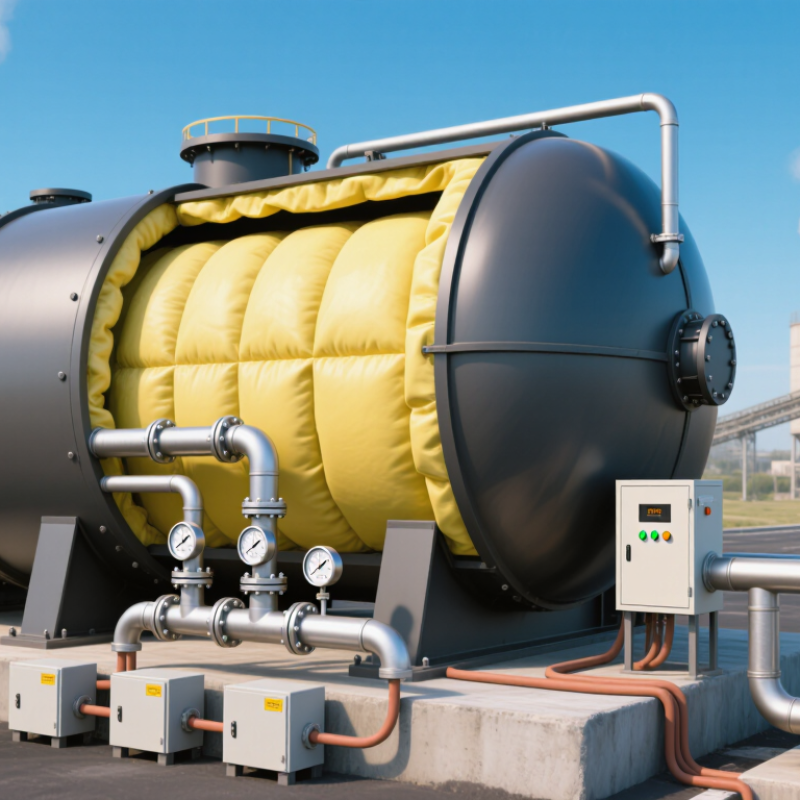
An asphalt storage tank is an insulated vessel used to hold asphalt binder in a liquid, workable condition. The tank commonly has a heating system, temperature controls, and pipes for filling and discharge. Insulation slows heat loss, while controlled heating helps keep the material moving through pumps and lines. It is more than a large container. Temperature management affects how easily asphalt can be handled.
The tank mainly stores asphalt binder, also called asphalt cement, before it is used in paving or roofing work. Binder is thick at ordinary temperatures, so storage systems keep it warm within a suitable operating range. The exact range depends on the material and equipment guidance; hotter is not automatically better. Excessive heat or long holding times can change the binder’s properties. Some asphalt products, such as emulsions, have different storage needs and should not be treated as hot binder.
Tips: Check the temperature reading against the actual operating guidance, and inspect insulation, valves, and lines for leaks or buildup. Keep a clear record of heating and storage time. Small checks matter. A sensor can drift, and a tank may not heat evenly, so its display is not the whole story.
What Is an Asphalt Storage Tank?
An asphalt storage tank holds asphalt binder—also called bitumen—at a controlled temperature so it stays fluid enough to transfer and use. It stores the binder, not the stone aggregate used in asphalt mixtures.
Indicative temperature ranges in °C. Actual storage temperatures depend on binder grade, product specifications, and supplier guidance; avoid unnecessary overheating.
Key Components and Their Functions
What Is an Asphalt Storage Tank?
Key Components and Their Functions
An asphalt storage tank holds heated bitumen at a workable temperature before transfer or use. Its components help retain heat, monitor conditions, and move material safely. The insulated steel shell limits heat loss and protects the stored product from rapid temperature changes. Insulation thickness and condition matter; damaged sections can create cold spots and increase heating demand.
Small details matter.
The heating system may use thermal-oil coils or another configuration suited to the tank design. Heat must travel evenly. Temperature sensors track conditions inside the tank, while a control system regulates heat input. Sensor placement can affect readings, so one measurement may not represent every part of a large tank.
That is worth checking during operation.
A level gauge helps staff estimate how much asphalt remains, and a fill connection provides a controlled route for delivery. The vent manages air displacement as the tank is filled or emptied; it must remain clear and properly maintained. A manway allows access for inspection when the tank is safely prepared. At the bottom, an outlet and connected pump move the viscous material onward.
Operators should inspect insulation, gauges, vents, and connections regularly, following the equipment maker’s procedures.
How Asphalt Is Heated, Stored, and Transferred
An asphalt storage tank keeps the material warm enough to remain pumpable between deliveries and use. Many tanks have insulated steel walls and internal heating coils. Thermal oil or another controlled heat source warms the asphalt indirectly, helping reduce hot spots that can damage the material. The required temperature depends on the asphalt grade and handling system, so operators should follow the supplier’s guidance rather than rely on a single standard setting. Steady heat matters. Temperature sensors at more than one point can reveal uneven warming, while level gauges help prevent overfilling. Even then, a reading cannot describe every part of a large tank.
When asphalt is needed, a heat-rated pump moves it through insulated, heated piping to a truck, production line, or other receiving point. Keeping the pipes warm is essential; a cool section can slow flow or block it. Operators typically check valves, pump condition, and line temperature before transfer, then monitor pressure and flow as pumping begins. A drain or sample point can help identify material condition, but it must be handled carefully because hot asphalt can cause severe burns. Small details matter. Tank records also deserve attention: temperature trends, heating interruptions, and residue buildup can reveal problems early. It is easy to assume a tank is working because its surface feels warm. That assumption can be wrong.
Safety and Maintenance Requirements
What Is an Asphalt Storage Tank?
Safety and Maintenance Requirements
An asphalt storage tank holds material at elevated temperatures, so its surroundings matter as much as its capacity. Hot surfaces can cause severe burns, and a small leak may spread before it becomes obvious. Keep access routes clear, mark hot areas, and make sure workers know where emergency shutoffs and protective equipment are located. The details matter.
Inspect the tank, connected pipes, valves, supports, and insulation on a regular schedule. Look for damp patches, unusual odors, damaged cladding, loose fittings, or changes in temperature readings. A clean exterior can still hide a problem, so records and instrument checks are useful. It is easy to trust a gauge too much. Compare readings with other observations, and report unexplained changes rather than guessing.
Maintenance should be performed by trained personnel using site procedures suited to hot asphalt. Before work begins, isolate relevant equipment and confirm that pressure and temperature conditions are safe. Never open a line or access point simply because the tank appears idle. Keep vents and overfill safeguards unobstructed, and clean spills promptly with appropriate methods. Conditions vary between sites, and inspection intervals may need adjustment after harsh weather, repairs, or repeated operating issues. No checklist catches everything. A brief, documented handover between shifts can reveal small changes that a routine inspection misses.