Top 5 Waterjet Cutting Machinery Uses and Benefits?
waterjet cutting machinery has transformed various industries by providing precise and efficient cutting solutions. According to a report by Grand View Research, the global waterjet cutting market is projected to reach $2.6 billion by 2025. This surge highlights the technology's growing significance in manufacturing.
The versatility of waterjet cutting machinery is evident in industries such as aerospace, automotive, and construction. It can cut materials ranging from metal and glass to fabric and stone. Given its ability to produce intricate designs without heat-affected zones, businesses are increasingly adopting this technology. However, challenges remain, such as the cost of maintenance and operator skill level.
While the benefits are substantial, reflective consideration is necessary. Not all applications may require such advanced machinery. Sometimes, traditional methods could suffice, especially for smaller projects. Thus, businesses should weigh the investment against their specific cutting needs. The decision to deploy waterjet cutting machinery should consider both immediate benefits and long-term implications.
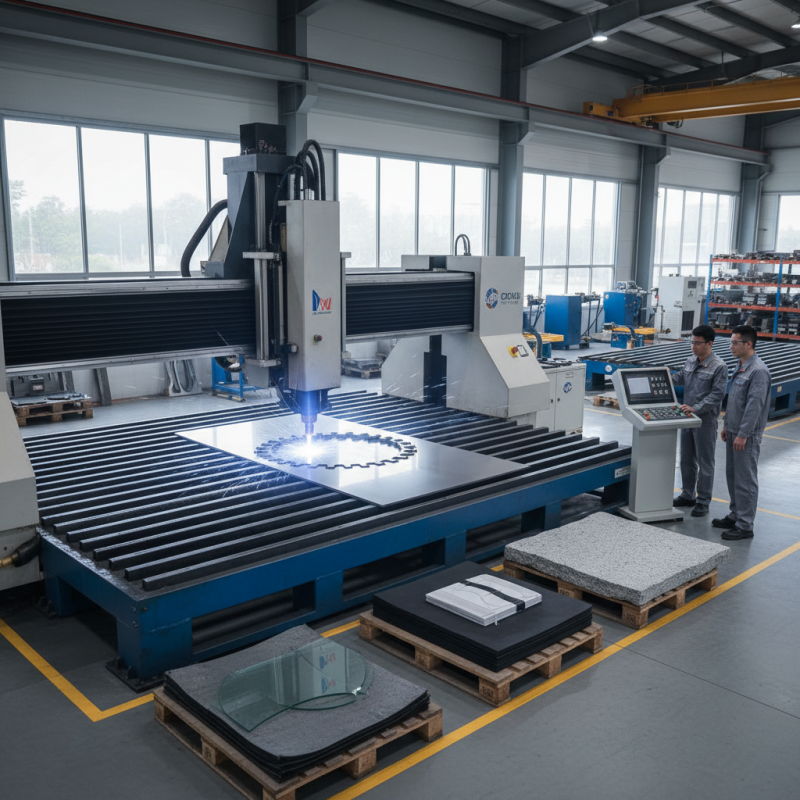
Applications of Waterjet Cutting Machinery Across Various Industries
Waterjet cutting technology is revolutionizing various industries. This approach uses high-pressure water to cut materials. It is versatile, efficient, and highly precise. Many sectors benefit from this process.
In the automotive industry, waterjet cutting is used for making parts and prototypes. It reduces waste and improves production speed. For instance, intricate designs can be achieved without the risk of thermal distortion. In the aerospace sector, this technology is vital for creating lightweight components. It allows for precise cuts in tough materials, ensuring safety and performance.
The construction industry also leverages waterjet machines. They can easily cut through stone, glass, and steel. This capability allows for stunning architectural features with less effort. However, there are challenges, such as the need for skilled operators. The machinery requires regular maintenance to function optimally. Without proper care, it can lead to inaccuracies and delays. Such considerations remind us that even advanced technology requires thoughtful management.
Top 5 Applications and Benefits of Waterjet Cutting Machinery
This chart illustrates the top five applications of waterjet cutting machinery across various industries and their respective benefits.
Advantages of Waterjet Cutting Compared to Traditional Methods
Waterjet cutting offers distinct advantages over traditional cutting methods. This technology uses high-pressure water mixed with abrasives. It provides a versatile solution across various materials. The process is non-thermal, which means no heat-affected zones. This characteristic preserves material integrity. Traditional methods often cause warping or cracking, which is less of a concern with waterjet cutting.
One tip for efficiency is to use precise pressure settings. Too low can lead to incomplete cuts, while too high may waste materials. Evaluating thickness is crucial. Not all materials require the highest pressure. Additionally, ensure proper fixture setups to stabilize materials. This prevents movement during cutting, leading to smoother edges.
Furthermore, waterjet cutting supports intricate designs. Complex shapes are achievable without the need for extensive tooling changes. This adaptability can save time in various projects. However, operators must be skilled. Miscalculations can disrupt workflow. Regular training and updates on technology can minimize errors, improving overall productivity. Remember that mastering this technique takes practice and patience.
Technical Specifications of Waterjet Cutting Systems
Waterjet cutting technology has transformed the manufacturing landscape. It uses high-pressure water mixed with abrasives for precise cuts in various materials. The technical specifications of these systems are diverse, catering to the unique needs of different industries.
A typical waterjet cutting system operates at pressures between 30,000 to 60,000 PSI. This pressure allows for intricate cuts in materials like metal, glass, and stone. Studies show that waterjet cutting can achieve tolerances of up to ±0.003 inches. This precision is crucial in industries such as aerospace, where even minor inaccuracies can lead to significant consequences. Moreover, the cutting head can move at a speed of about 60 inches per minute, enhancing efficiency.
The dimensions of the cutting table can significantly impact performance. Many systems offer tables that range from 4x4 feet to 20x10 feet. However, larger tables require more space and can complicate the setup. Waterjet systems are also known for their versatility. They can cut through materials with varying thicknesses, from thin sheets to solid blocks. Yet, balancing these capabilities can lead to challenges in maintenance and operational costs. As technology advances, exploring more efficient ways to manage these factors remains essential.
Cost Efficiency and Sustainability of Waterjet Cutting Solutions
Waterjet cutting technology stands out for its cost efficiency and sustainability. Recent reports indicate that this method can save manufacturers up to 30% on material costs. By using high-pressure water jets instead of traditional cutting tools, it minimizes waste. The precision of waterjet cutting also allows for complex designs, reducing the need for additional machining processes.
In terms of sustainability, waterjet cutting consumes less energy than many other cutting methods. This process generates no hazardous waste, aligning with green manufacturing practices. A study from an industry analyst noted that companies implementing waterjet systems reduced their carbon footprint by as much as 40%. Waterjet machinery typically relies on water and garnet, a natural material, further enhancing its environmental profile.
Challenges remain, however. Some companies may struggle with the initial investment costs, which can deter adoption. Understanding the long-term savings is crucial. While waterjet technology offers impressive benefits, ongoing maintenance and operational training are critical components. The need for skilled operators cannot be overlooked, as it significantly impacts efficiency and productivity.
Future Trends and Innovations in Waterjet Cutting Technology
The future of waterjet cutting technology is poised for exciting innovations. As industries evolve, the demand for precision and efficiency will grow. Advancements in automation are a key trend. Machines are becoming smarter, allowing for better integration into production lines. This also leads to less human error. Automation can reduce labor costs, but it raises questions about job displacement.
Another trend is the fusion of waterjet technology with AI. Machine learning algorithms help in optimizing cutting paths. This creates more efficient use of materials. The integration of sensors can provide real-time feedback. This ensures higher quality control. However, it might complicate maintenance and require skilled personnel.
Sustainability is also a focus. Waterjet cutting uses less energy compared to traditional methods. Recycling water and materials can make the process greener. Yet, many companies struggle to implement these practices effectively. The challenge lies in balancing innovation with practical application. Keeping up with these trends can be daunting, but essential for competitive advantage.