China Top 10 Duraband Nozzle Band Heater Suppliers
Choosing a Duraband Nozzle Band Heater supplier in China requires more than comparing catalog prices. These heaters must fit the nozzle dimensions, operating temperature, voltage, and available space around the injection molding machine. A mismatch can lead to uneven heating, slow startup, or premature wear. Small details matter.
This guide introduces ten suppliers to help buyers begin a focused comparison. It considers product range, manufacturing experience, customization options, technical communication, and quality documentation. These are useful screening points, not a guarantee of performance. Ask for drawings, material specifications, temperature limits, and inspection records before placing an order. Where possible, confirm that the proposed heater matches the machine and production conditions.
A supplier may offer a polished catalog. That alone proves little. Look for clear answers about lead times, fit tolerances, and support if a heater fails. Request a sample when practical, and compare its dimensions and finish with your requirements. A short conversation with an engineer can reveal gaps that a product page misses. Even careful checks have limits; product claims should be verified against written specifications and actual operating needs. The companies in a top-ten list are starting points, not automatic recommendations. Use the comparisons that follow to identify suppliers worth contacting, then make the final choice based on evidence, fit, and dependable service.
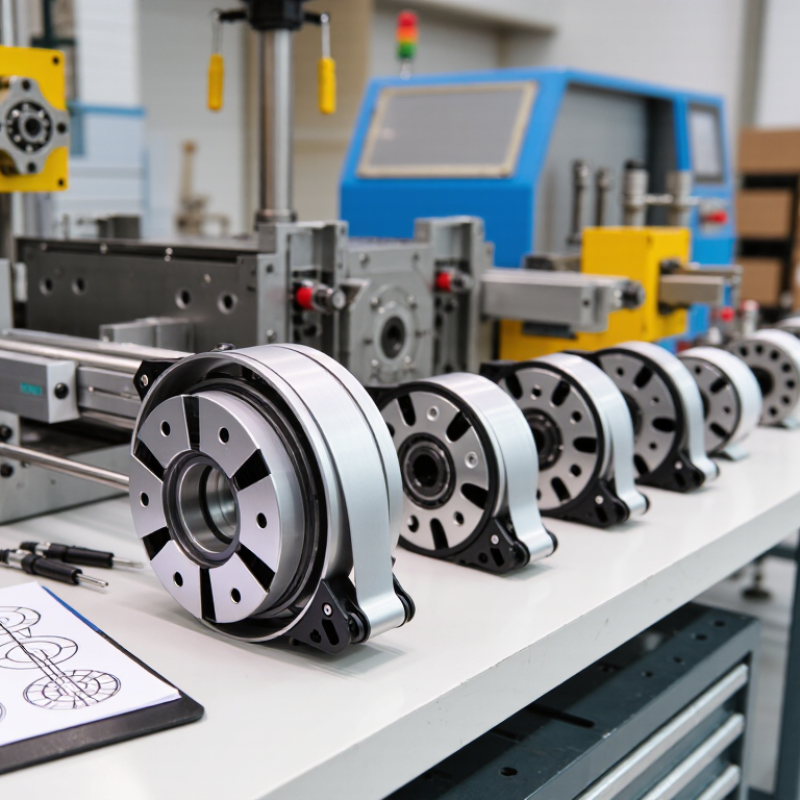
Duraband Nozzle Band Heater Basics: Mica and Ceramic Insulation Types
Mica and ceramic insulation change how a Duraband nozzle band heater transfers heat and handles demanding cycles. Mica designs are usually thinner, allowing close contact with a nozzle and quick response during start-up. Ceramic-insulated designs use shaped ceramic supports to retain heat and tolerate higher operating temperatures in many configurations. Actual limits depend on the heater construction, fit, and control system; check the rated temperature rather than relying on insulation type alone.
Fit matters. A loose band leaves air gaps, creating uneven heating around the nozzle, while over-tightening can damage components. The U.S. Department of Energy’s 2016 Improving Process Heating System Performance sourcebook identifies process heating as a major manufacturing energy load, accounting for roughly two-thirds of energy use in some manufacturing industries. That makes insulation choice more than a parts decision: heat loss can affect energy use and production stability. Still, no insulation wins every time. Mica may suit compact, frequently adjusted tooling; ceramic may be preferable where higher heat retention is needed. Measure the nozzle surface, confirm the controller and sensor placement, and inspect for cracked insulation or loose terminals. One detail is easy to miss: a heater can be correctly rated yet perform poorly if its band does not fit the nozzle closely.
Mica vs. Ceramic Insulation in Nozzle Band Heaters
Approximate upper operating temperatures commonly associated with each insulation type
Mica-insulated heaters are commonly used for moderate-to-high temperatures, while ceramic-insulated designs are often selected for higher-temperature service. The values shown are approximate; actual limits depend on heater construction and the manufacturer's specifications.
China Supplier Quality Checks: IEC 60519-1 Safety and Test Documentation
When comparing China-based duraband nozzle band heater suppliers, ask how each applies IEC 60519-1 to the heater and its intended installation. The standard addresses safety in industrial electroheating equipment, but its relevance depends on the product configuration and applicable requirements. Ask for the standard edition, test scope, and any exclusions in writing. A certificate alone may not show what was actually assessed.
Request a sample test report with the heater’s model or batch identification, test method, acceptance limits, and results. Useful records may include insulation resistance, dielectric withstand, and protective-earth continuity tests, where applicable. Check that the report identifies the test equipment and its calibration status. The numbers matter. So does traceability. For a nozzle heater, confirm the rated voltage, temperature limits, lead-wire details, and installation instructions match the delivered unit.
During supplier review, compare the documents with a physical sample. Look for clear terminal markings, secure leads, and insulation that remains intact around the band. Ask how production checks catch loose fasteners or damaged wiring. A tidy report is reassuring, but it cannot replace a relevant test or a careful inspection. I would also note any missing details rather than assume they are harmless; small gaps can make later verification difficult.
How to Compare 10 Suppliers: Customization, MOQ, Lead Time, and Warranty
When comparing ten duraband nozzle band heater suppliers, send each the same drawing and operating details. Include nozzle diameter, heater width, voltage, wattage, temperature range, and available clearance. Specify terminal direction and any thermocouple requirements. These details help prevent quotes from covering different products. Ask whether custom dimensions affect the price or production schedule. A neat specification sheet helps. It also makes later comparisons fairer.
Check minimum order quantity and lead time separately. A supplier may accept one custom unit but need extra time for tooling or materials. Request a written estimate for samples and repeat orders. Clarify whether the quoted lead time begins after drawing approval or payment. Compare warranty length, covered defects, and the process for reporting a failure. Ask how the heater should be installed and operated. Warranty terms may depend on those conditions. A low quote can still be the wrong fit; I would not judge suppliers by price alone.
Tips: Keep a simple comparison table. Record customization limits, MOQ, confirmed lead time, warranty coverage, and response speed. Ask for a sample drawing before production. Check that the terminal layout matches your machine. One detail can be missed, even with careful review. Verify critical dimensions before approving the order.
Sizing and Procurement: Nozzle Diameter, Heater Fit, and Operating Conditions
A Duraband nozzle band heater should be sized from the nozzle itself, not from a catalog label alone. Measure the nozzle’s outside diameter at the heating zone, then confirm the heater’s inside diameter and axial width. A heater that is too loose can leave uneven contact; one that is too tight may be difficult to install or damage its casing. Check lead position and clamp clearance against the machine layout. Small details matter.
Operating conditions shape the specification. Record the target temperature, supply voltage, available wattage, and how quickly the nozzle must recover heat between cycles. Also consider nearby cooling lines, airflow, and frequent temperature changes. In a practical fit check, compare the supplier’s drawing with the actual nozzle dimensions before approving production. A neat catalog size can still be wrong. I would not assume a standard tolerance suits every machine.
When comparing suppliers in China, request a dimensioned drawing, electrical ratings, insulation details, and documented inspection results. Ask how diameter and width are checked, and whether a sample can be evaluated on the intended nozzle. Confirm the controller and sensor arrangement separately; a well-fitted heater can still perform poorly with inaccurate temperature feedback. Keep operating limits in writing. That step is easy to skip, and it can create confusion later.
China Top 10 Duraband Nozzle Band Heater Suppliers - Sizing and Procurement: Nozzle Diameter, Heater Fit, and Operating Conditions
Representative sizing and procurement matrix: The ten rows below are illustrative nozzle-size cases, not a supplier ranking or guaranteed catalogue specifications. No supplier or brand names are included.
| Sizing Case | Measured Nozzle Outside Diameter | Heater Bore / Fit Requirement | Suggested Heater Width | Indicative Heater Power | Common Supply Options | Example Nozzle Set-Point Range | Procurement and Operating Checks |
| 1 | 20 mm | Specify bore to suit the measured nozzle OD; confirm the maker’s fit allowance. | 20 mm | 50–65 W | 120 or 230 V AC | 180–220 °C | Measure the cylindrical heating land, not the nozzle tip. Confirm clearance from threads and adjacent fittings. |
| 2 | 25 mm | Match the heater’s finished inside diameter to the measured nozzle OD, subject to the heater maker’s tolerance. | 25 mm | 80–100 W | 120 or 230 V AC | 180–230 °C | Check that the heater closes evenly and makes firm contact around the nozzle without a visible air gap. |
| 3 | 30 mm | Order a bore sized for the measured nozzle OD; do not assume nominal nozzle size equals actual OD. | 25 mm | 95–120 W | 120 or 230 V AC | 190–240 °C | Verify cable exit direction and keep the lead clear of moving parts, hot surfaces, and the mold opening. |
| 4 | 40 mm | Match bore to measured OD and confirm the clamp or band can be tightened securely. | 30 mm | 150–190 W | 120 or 230 V AC | 190–250 °C | Check available axial space so the heater does not overlap the nozzle shoulder, wrench flats, or adjoining hardware. |
| 5 | 50 mm | Specify the heater bore from the nozzle’s measured heating land and confirm the permitted fit tolerance. | 30 mm | 190–240 W | 120 or 230 V AC | 200–260 °C | Confirm the heater’s rated voltage and wattage as a matched electrical specification; do not apply a different voltage. |
| 6 | 60 mm | Use the measured nozzle OD for the bore specification; confirm full circumferential contact after installation. | 40 mm | 300–380 W | 120 or 230 V AC | 200–270 °C | Check the available circuit capacity, controller output rating, and over-temperature protection for the selected wattage. |
| 7 | 70 mm | Match the bore to the measured nozzle OD, including any coating or surface treatment that affects fit. | 40 mm | 350–440 W | 120 or 230 V AC | 210–280 °C | Specify thermocouple type and location; place the sensor in the intended nozzle control zone, not against the heater lead. |
| 8 | 80 mm | Confirm finished heater ID and closure style against the measured nozzle OD and installation access. | 50 mm | 500–630 W | 120 or 230 V AC | 210–290 °C | Assess warm-up time, insulation, and heat loss to nearby machine parts when selecting the final wattage. |
| 9 | 90 mm | Specify a bore to fit the measured heating land; verify the heater can be installed without forcing or distortion. | 50 mm | 565–710 W | 120 or 230 V AC | 220–300 °C | Check that the band is uniformly clamped and that the nozzle surface is clean, dry, and free of debris. |
| 10 | 100 mm | Confirm bore, tolerance, and closure arrangement using the actual nozzle dimensions and assembly drawing. | 60 mm | 750–945 W | 120 or 230 V AC | 220–300 °C | Review supply current, wiring, controller capacity, and lead temperature rating; provide strain relief for the heater cable. |