Top 10 Fence Post Machine Manufacturers for Global Buyers?
Choosing reliable equipment for rural infrastructure begins with understanding how a Fence Post Machine performs in real production conditions. Global buyers need more than attractive brochures or impressive factory photographs. They must examine forming accuracy, steel compatibility, automation levels, maintenance access, and after-sales support. A dependable machine should produce consistent posts, reduce material waste, and operate safely during long production shifts.
This introduction presents ten notable Fence Post Machine manufacturers serving international markets. The selection considers manufacturing experience, technical specialization, export capability, customer feedback, and documented service resources. It also considers practical details, such as hydraulic stability, mold replacement time, electrical standards, and spare-part availability. Small details matter.
However, no universal ranking can suit every buyer. A compact workshop may value simple controls and affordable maintenance, while a large fencing producer may require automatic feeding, higher output, and remote diagnostics. Some manufacturers communicate clearly about limitations; others leave important specifications unclear. That deserves careful attention. Buyers should verify production capacity, delivery terms, installation support, warranty conditions, and compliance requirements before placing an order.
The manufacturers discussed here represent different strengths, price levels, and application focuses. Their equipment may serve farms, construction suppliers, highway projects, and large-scale fencing operations. Actual performance depends on raw materials, operator training, tooling quality, and factory management. Therefore, this guide should support comparison, not replace technical due diligence. A factory visit, sample test, or independent inspection can reveal weaknesses that online descriptions cannot show. Procurement decisions become stronger when evidence matters more than marketing language.
What Is a Fence Post Machine and Why Does It Matter?
A fence post machine is equipment designed to form durable posts for agricultural, residential, and infrastructure fencing. Most models shape concrete through a mold, vibration system, and controlled pressure. Some lines also insert steel reinforcement before curing. The machine determines the post’s length, thickness, surface finish, and production speed. A typical unit may produce several posts in one cycle, depending on mold size and operator skill.
Its importance begins with consistency. A post with uneven dimensions may lean, crack, or create gaps after installation. Accurate molds help maintain regular spacing between fence posts. Controlled vibration reduces air pockets inside fresh concrete. Stronger compaction usually improves durability, although poor material mixing can still cause failures. The machine also reduces repetitive manual work and supports higher daily output. That matters when buyers manage large farms, road boundaries, or construction schedules.
Experienced buyers should examine the frame, hydraulic parts, electrical controls, mold quality, and cleaning access. Ask for measured output, not only advertised capacity. Watch a full production cycle if possible. Noise, vibration, and difficult mold removal may reveal future maintenance costs. No machine is perfect. A faster cycle can produce weaker posts when operators rush curing or overload the mold. I have found that simple controls often help new workers avoid mistakes, but they may limit advanced automation. Proper training, spare parts, and clear operating records matter as much as the machine itself.

How to Evaluate Fence Post Machine Manufacturers Worldwide
Evaluating fence post machine manufacturers requires more than comparing catalog prices. A polished website proves little. Request production videos, factory photos, and recent customer references. Check whether the manufacturer has built machines for your post shape, steel grade, and target output. A reliable supplier should explain forming pressure, motor capacity, die life, and expected maintenance clearly. Avoid vague promises about “high efficiency.” Ask for measured figures.
Inspect the machine design in practical detail. Look at frame thickness, gearbox access, electrical cabinet layout, and emergency stop placement. Request sample posts made from your own material. Measure their dimensions, surface finish, straightness, and rejection rate. A small test batch can reveal more than a long sales presentation. Confirm installation requirements, including floor space, power supply, compressed air, and operator skills. Hidden requirements create costly delays.
After-sales support deserves equal attention. Ask for spare-parts lists, response times, training methods, and warranty exclusions. Check whether manuals include wiring diagrams, lubrication points, and troubleshooting steps. Clear documents suggest stronger engineering discipline. Compare total ownership costs, not only the purchase price. Cheap tooling may wear quickly. Expensive equipment may still disappoint without local support. I would also verify delivery records and inspect one operating machine, if possible. Some evaluations remain imperfect because suppliers control the available evidence. Record every assumption before signing.
Top 10 Fence Post Machine Manufacturers for Global Buyers
Details matter. A practical machine may include adjustable molds, automatic cutting, and stable feeding systems. Check whether one operator can control the line safely. Ask for production samples using your own steel specifications.
A clean post profile, consistent holes, and smooth edges show better process control. Do not trust attractive videos alone. They can hide slow cycle times.
After-sales support is equally important for international projects. Serious manufacturers provide manuals, spare-part lists, remote training, and clear response times. Confirm voltage, installation requirements, packaging strength, and shipping documents before payment. Certification claims should be verified against the destination market’s requirements.
No ranking is perfect. A smaller supplier may offer faster technical support, while a larger factory may provide stronger production capacity. Buyers should also inspect weld quality, electrical components, maintenance access, and warranty terms.
One overlooked sensor can stop an entire shift. That is an expensive lesson. Comparing ten manufacturers becomes useful only when every quotation uses the same technical checklist, delivery terms, and acceptance standards.
Key Machine Types, Features, and Production Capabilities
Top 10 Fence Post Machine Manufacturers for Global Buyers?
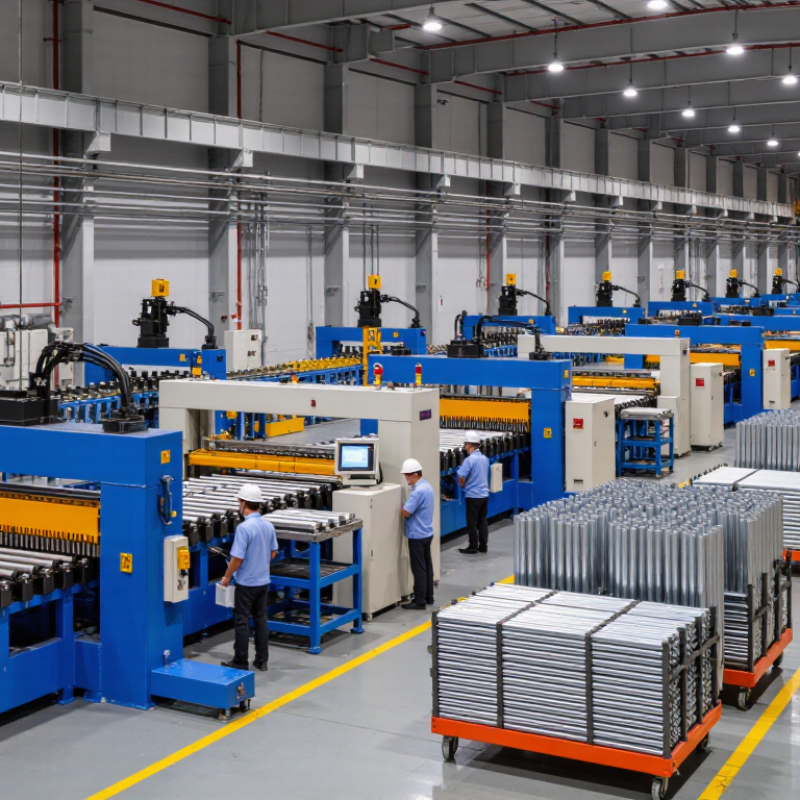
The top ten manufacturers should offer more than attractive catalog photos. Global buyers need machines matched to post profiles, steel grades, and target output. Roll forming machines suit U, T, and Y-shaped posts, while hydraulic punching units create repeatable holes for fittings. Cutting systems should maintain clean edges without distorting thin steel. Details matter.
Production capability depends on line speed, forming stations, motor power, and tooling quality. A compact line may produce 8–15 meters per minute, while heavier systems require stronger frames and larger drives. Look for automatic decoilers, servo feeding, synchronized punching, and adjustable cutoff control. Ask for samples. Test hole spacing, profile accuracy, and surface protection before placing an order.
Reliable manufacturers also explain installation, operator training, spare parts, and remote support. Their engineers should provide layout drawings and realistic power requirements. A factory visit or live trial can reveal noise, vibration, and unfinished welds that brochures hide. Certification documents help, but they do not replace a production test.
Some buyers focus too heavily on maximum speed. That can be a mistake. Stable output, simple maintenance, and available tooling often matter more than a faster specification. Measure twice. A machine that handles today’s post size may not support tomorrow’s product range.
How to Select, Compare, and Purchase the Right Manufacturer
Buying a fence post machine starts with the product, not the brochure. Grand View Research valued the global fencing market at over USD 30 billion in 2023, showing strong demand for efficient production. Yet market growth does not guarantee a suitable machine. Screen ten manufacturers against your actual post profile, steel thickness, output target, and factory space.
Ask each supplier for measured cycle-time records, not optimistic estimates. Compare forming accuracy, tooling life, motor efficiency, noise, and changeover time.
ISO 12100 supports risk assessment, while ISO 13849-1 addresses safety-related control systems. These standards should appear in technical discussions.
Request factory videos, sample posts, electrical diagrams, spare-parts lists, and references from comparable operations. Small details matter. A two-hour tooling change can erase a day’s planned output.
Use a weighted scorecard before negotiating price. Give production stability and after-sales response more weight than paint quality or promotional claims.
The World Bank’s 2023 Logistics Performance Index shows that international delivery reliability varies widely, so clarify packaging, port responsibility, customs documents, and technician availability.
Check warranty exclusions carefully. Ask how quickly critical rollers, sensors, and drives can be replaced. A low purchase price may become expensive after one failed component.
I would also test raw material variation, because perfect samples can hide real factory problems.
Some comparisons remain incomplete. Record every assumption, then request a final offer based on identical specifications.