China Top 10 Dust Proof Mask Manufacturers?
Choosing a Dust Proof Mask supplier in China requires more than comparing prices or product photos. This guide introduces ten manufacturers for buyers seeking dependable production, clear specifications, and responsive communication. The selection should be treated as a practical starting point, not a definitive ranking. No list is perfect.
A mask’s appearance tells only part of the story. Buyers should check its intended use, filtration information, face-fit options, material layers, and available test documentation. Ask for proof. Request product samples, inspect stitching and nose-bridge fit, and compare the stated specifications with the documents provided. A polished catalog can still leave questions. That matters.
Manufacturer capabilities also deserve close review. Confirm production capacity, quality-control steps, customization options, lead times, and how the supplier handles defects or changing orders. For different markets and applications, relevant performance requirements may vary; verify them against current, authoritative guidance before placing a large order. Do not assume that one certificate or test report covers every model.
The companies discussed here can help buyers build a shortlist, but independent checks remain essential. Compare quotations on equal terms, clarify packaging and delivery details, and keep important claims in writing. A low price may be attractive, yet inconsistent samples or vague records can cost more later. The details are not exciting, but they protect the decision. This overview aims to make that evaluation clearer while recognizing that supplier information can change and should be confirmed directly.
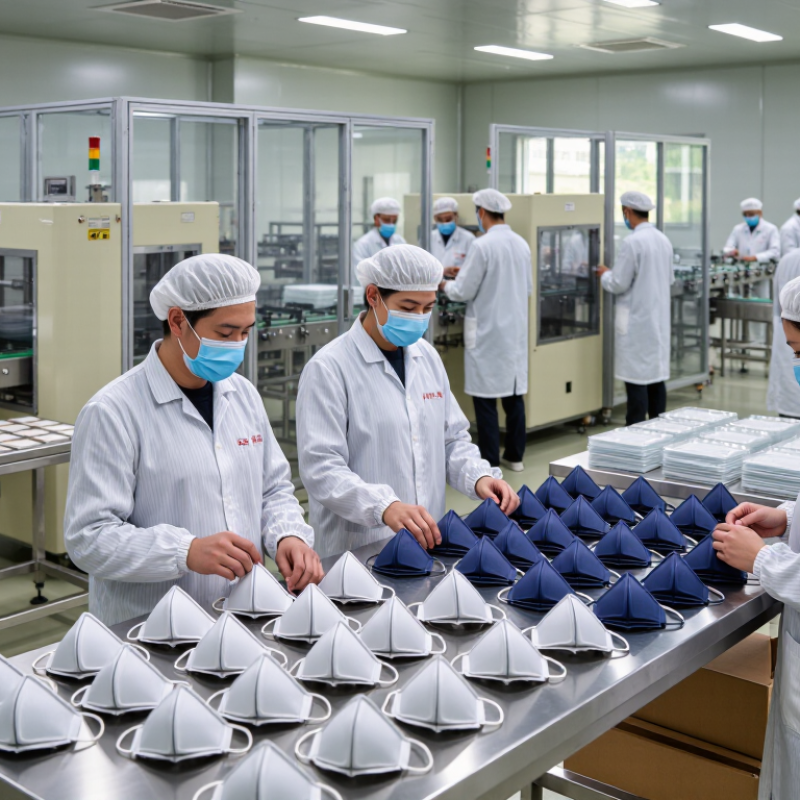
What Dust-Proof Masks Are and How They Work
A dust-proof mask is designed to reduce inhalation of airborne particles, such as sanding dust, pollen, or fine workshop debris. The term can mislead: no face covering blocks every particle in every condition. Most particulate respirators use layered filter material that captures particles as air passes through it. Some fibers attract particles electrostatically, while other layers capture them through contact. Not magic.
When you inhale, pressure draws air through the filter rather than gaps around its edges. A loose nose bridge or facial hair can create leaks, allowing dusty air to bypass the material. A quick seal check can reveal obvious leaks, but it does not replace professional fit testing where required. The mask should feel snug, not painful. A damp, damaged, or clogged filter may restrict airflow, so inspect it and follow its care instructions.
Choose protection for the task. Ordinary nuisance dust differs from hazardous fine particles. A particle filter does not remove gases or vapors. Check the stated filtration class and workplace guidance rather than judging protection by fabric thickness. It is easy to trust a mask that feels comfortable; that confidence can be misplaced. Comfort alone does not confirm a good seal.
China Top 10 Dust Proof Mask Manufacturers? - What Dust-Proof Masks Are and How They Work
Dust-proof masks are designed to reduce inhalation of airborne particles. The table below compares widely used particulate-filter classes and standards, rather than manufacturers or brands. Filter test results are not a guarantee of wearer protection: fit, correct use, and the specific hazard also matter.
| No. | Filter class | Standard | Minimum filter efficiency | How it works | Typical considerations |
|---|---|---|---|---|---|
| 1 | KN90 | China GB 2626-2019 | At least 90% | A tested filter layer captures particles through a combination of interception, impaction, and electrostatic attraction. | For non-oil particulate hazards within the standard’s scope; not a substitute for a task-specific risk assessment. |
| 2 | KN95 | China GB 2626-2019 | At least 95% | The filter media reduces passage of tested airborne particles; a close face seal helps limit leakage around the edges. | Designed for non-oil particles. Performance depends on certification, fit, and correct wearing. |
| 3 | KN100 | China GB 2626-2019 | At least 99.97% | High-efficiency particulate filter media captures a greater proportion of particles under the prescribed test conditions. | For non-oil particles; higher filter efficiency does not compensate for a poor face seal. |
| 4 | KP95 | China GB 2626-2019 | At least 95% | Particulate filter media is tested for the KP class, which includes testing with an oil-based aerosol. | Use only where the applicable hazard and workplace rules permit this class; it does not protect against gases or vapors. |
| 5 | KP100 | China GB 2626-2019 | At least 99.97% | High-efficiency particulate media is tested with the oil-based aerosol specified for the KP class. | Check the certification and suitability for the specific exposure; not suitable for every oil, gas, or vapor hazard. |
| 6 | N95 | U.S. NIOSH, 42 CFR Part 84 | At least 95% | A NIOSH-approved filter is tested against a non-oil aerosol at the prescribed flow and loading conditions. | “N” means not resistant to oil. Approval and workplace program requirements should be verified. |
| 7 | R95 | U.S. NIOSH, 42 CFR Part 84 | At least 95% | A NIOSH-approved particulate filter is tested for oil-aerosol resistance under the standard’s conditions. | “R” means somewhat resistant to oil; service-life and use limitations apply. |
| 8 | P95 | U.S. NIOSH, 42 CFR Part 84 | At least 95% | A NIOSH-approved particulate filter is tested for oil-aerosol resistance and is designated for oil and non-oil particulates. | “P” means oil-proof for particulate filtering; it does not filter gases or vapors. |
| 9 | FFP2 | European EN 149 | At least 94% | A filtering facepiece is tested for particle penetration and other requirements defined by EN 149. | Check the marking, intended use, fit, and whether the product is reusable or single-shift according to its classification. |
| 10 | FFP3 | European EN 149 | At least 99% | A high-efficiency filtering facepiece is tested against the particle-penetration and leakage requirements in EN 149. | A higher class is not automatically the right choice for every task; assess breathing resistance, fit, and exposure. |
Note: Filter-efficiency figures come from different standards and test methods and should not be treated as direct one-to-one equivalents. Dust masks do not protect against all hazards, including many gases and vapors. Select respiratory protection through a suitable hazard assessment and follow local regulations, fit-testing requirements, and product instructions.