China Top 10 Cosmetic Squeeze Tube Manufacturers
China’s cosmetic packaging sector offers a wide range of squeeze-tube suppliers, but the right partner depends on more than price. This guide introduces ten manufacturers for buyers comparing Cosmetic Squeeze Tubes for skincare, makeup, and personal-care products. Small details matter. A cap that feels secure, a shoulder that dispenses cleanly, and print that stays crisp can shape the user’s first impression.
Packaging educator Walter Soroka is often associated with the phrase, “Packaging is the silent salesman.” For a cosmetic tube, that idea is practical: packaging protects the formula while communicating quality on a crowded shelf. This outline considers material options, tube diameter, barrier needs, closures, decoration, production capacity, and quality-control practices. It also highlights questions buyers should ask about samples, minimum order quantities, lead times, and customization. Those details can reveal more than a polished product photograph.
A top-ten list is a starting point, not a guarantee. Supplier capabilities change, and a manufacturer suited to a large repeat order may not fit a small launch. Some comparisons may also rely on incomplete public information. That deserves a second look. Readers should confirm specifications, request current samples, and assess communication before choosing a partner. The goal is not to crown one universal winner, but to help buyers identify manufacturers worth evaluating for their product, budget, and schedule.
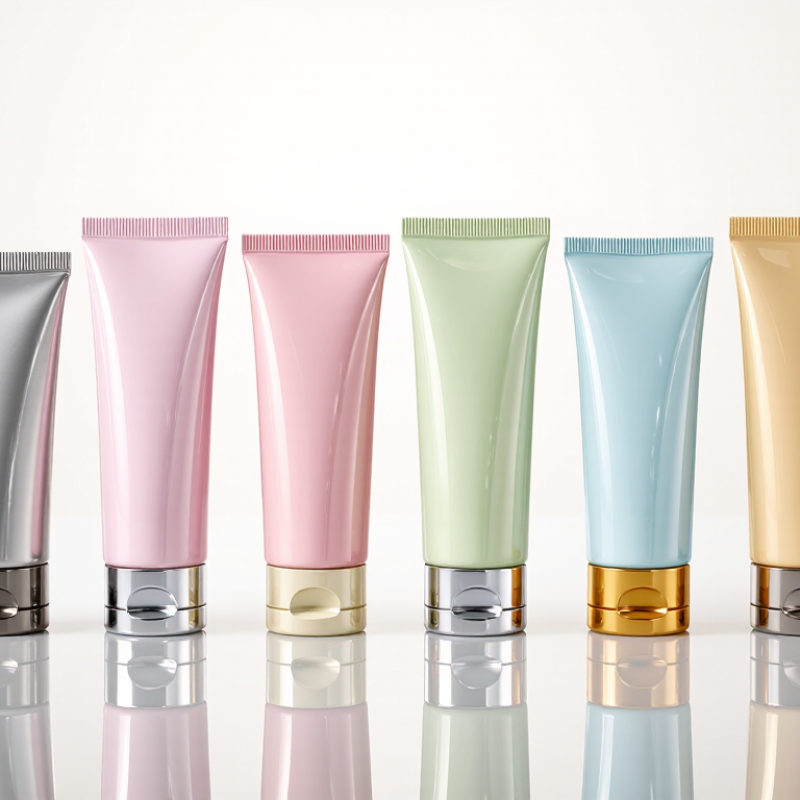
China’s Cosmetic Tube Industry Under GB/T 29665-2013
China Top 10 Cosmetic Squeeze Tube Manufacturers
China’s Cosmetic Tube Industry Under GB/T 29665-2013
GB/T 29665-2013 provides a technical framework for plastic tubes used in cosmetic packaging, including requirements and inspection methods. For buyers comparing Chinese manufacturers, the standard offers a useful reference, but it should not replace a review of the complete, current standard. Confirm its scope and applicable test methods with qualified technical staff.
A reliable assessment looks beyond a polished sample. Check tube dimensions, appearance, sealing, and the consistency of production batches against agreed specifications. Ask how samples are tested and how inspection records are retained. A tube may look smooth yet still show uneven sealing under testing. That detail is easy to miss. No checklist catches everything, so trial orders and clear acceptance criteria can reduce surprises.
Tips: Request test reports tied to the exact tube structure and material. Confirm that the report matches the production sample, not just a similar design. Keep notes on any agreed exceptions; small differences can create later confusion.
China Top 10 Cosmetic Squeeze Tube Manufacturers - China’s Cosmetic Tube Industry Under GB/T 29665-2013
A 10-point, non-company-specific framework for assessing cosmetic tube suppliers. This is not a manufacturer ranking or a substitute for checking the full standard and supplier test records.
| No. | Evaluation dimension | What to verify | Practical evidence to request | GB/T 29665-2013 context |
|---|---|---|---|---|
| 1 | Standard applicability | Confirm the supplied package is a cosmetic plastic tube within the standard’s stated scope. | Product specification identifying the tube construction, intended cosmetic use, and applicable standard edition. | GB/T 29665-2013 is the national standard for plastic tubes used for cosmetics; confirm scope against the official text. |
| 2 | Tube construction and material | Identify whether the tube is plastic, multilayer, or another specified construction, and document the materials used. | Material declaration, layer structure where applicable, and change-control records. | Material suitability should be assessed for the actual tube and cosmetic formulation; do not infer suitability from appearance alone. |
| 3 | Capacity and dimensions | Compare nominal fill volume and agreed tube dimensions with the approved drawing and purchase specification. | Controlled drawings, sampling records, and measurement results for the agreed inspection plan. | Use the standard’s applicable requirements together with the product-specific tolerances agreed between buyer and supplier. |
| 4 | Appearance and workmanship | Inspect the tube body, shoulder, opening, and closure for defects that could affect use or presentation. | Approved appearance limit samples, defect definitions, and incoming-inspection records. | Acceptance criteria should be documented and applied consistently; consult the standard for its formal requirements. |
| 5 | Seal and leakage performance | Check that the sealed end and assembled package retain the intended product under defined test conditions. | Test method, sample identification, test conditions, and recorded results for the finished tube. | Use the test method and acceptance criteria applicable to the tube type; avoid relying on an undocumented visual check alone. |
| 6 | Closure and dispensing fit | Verify that the selected cap or closure fits the tube opening and functions with the intended product and user experience. | Assembly checks, closure compatibility results, and a filled-package trial using the intended formulation. | Evaluate the complete packaging system, since closure performance depends on the matched components and application. |
| 7 | Printing and decoration | Check artwork accuracy, legibility, registration, and decoration durability against the approved specification. | Signed artwork proof, color standard, print inspection records, and agreed rub or adhesion test results where applicable. | Decoration acceptance should be specified for the product; verify relevant requirements in the official standard and purchasing documents. |
| 8 | Mechanical and handling tests | Assess the package using test methods relevant to its intended filling, distribution, storage, and use conditions. | Test plan and reports identifying the method, conditions, samples, and acceptance decision. | Select tests and limits from the applicable standard text and the package’s real distribution requirements. |
| 9 | Formulation compatibility | Check the interaction of the finished tube and closure with the specific cosmetic formulation over the intended storage period. | Filled-pack compatibility protocol and results covering the agreed conditions and evaluation criteria. | Compatibility depends on both package and formula; a general tube specification does not replace product-specific testing. |
| 10 | Quality records and traceability | Confirm that production lots can be identified and that inspection and nonconformance records are maintained. | Lot codes, inspection reports, release records, and documented procedures for handling nonconforming product. | Check marking, inspection, and acceptance provisions in the official edition and define any additional buyer requirements in writing. |
Note: This table presents general sourcing checks, not verified rankings or performance claims about individual manufacturers. For compliance decisions, consult the official GB/T 29665-2013 text and retain test reports for the specific packaging and formulation.