10 Best Chamfering Cutter Suppliers for Global Buyers
Choosing a reliable Chamfering Cutter supplier affects edge quality, cycle time, and long-term production costs. Global buyers must look beyond attractive catalog images. Cutter geometry, carbide grade, coating, shank accuracy, and available angle options deserve close inspection. A tool that performs well on aluminum may struggle with stainless steel or hardened components. Small differences matter.
Machining expert Dr. Tony Schmitz offers a useful principle: “The tool, workpiece, and machine must be considered as one system.” This idea guides our selection of the 10 best Chamfering Cutter suppliers for international buyers. The strongest suppliers demonstrate more than product variety. They provide measurable tolerances, material recommendations, inspection records, and responsive technical support. Their factories should also show consistent quality control, stable packaging, and dependable export experience.
Real production evidence matters. A supplier may promise a mirror-like chamfer, yet the finished edge can reveal vibration marks, burrs, or uneven width. That is where careful testing becomes essential. Buyers should request sample tools, cutting data, coating details, and application references before placing large orders. Certifications help, but they never replace practical verification. This is an imperfect process. Supplier rankings can change as prices, lead times, technologies, and service quality shift. Even experienced buyers can overlook communication delays or minimum-order restrictions. Our comparison therefore considers technical capability, manufacturing experience, reliability, customization, delivery performance, and after-sales support. The goal is simple: help buyers identify a Chamfering Cutter partner that performs consistently in real workshops, not only on paper.
Chamfering Cutters: Types, Uses, and Key Selection Factors
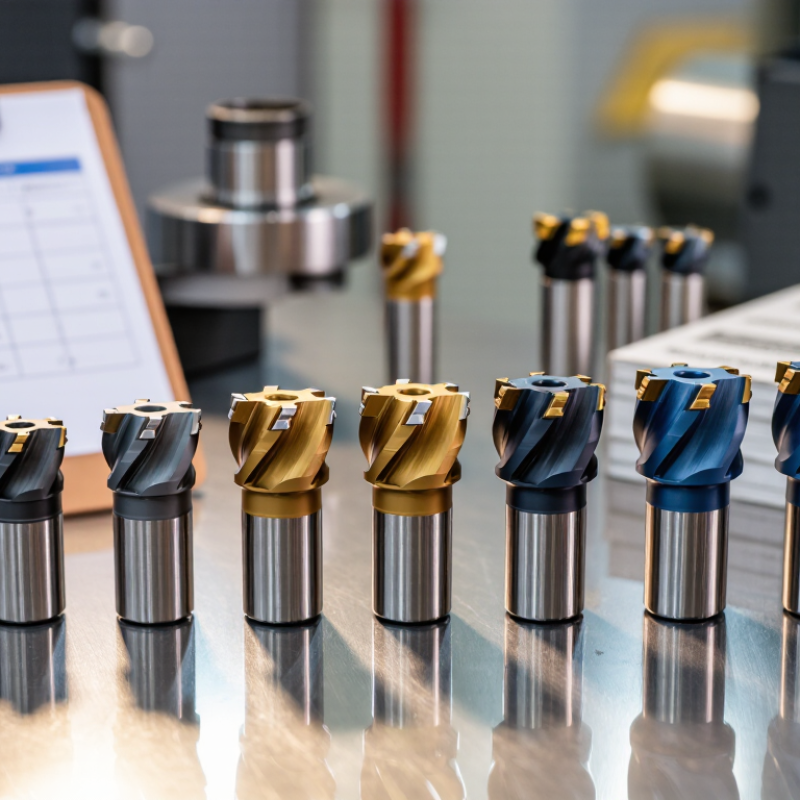
Chamfering cutters create angled edges, remove burrs, and prepare holes for assembly. Common types include single-flute, multi-flute, indexable, back-chamfer, and countersink cutters. A 45-degree cutter suits general edge breaking, while 60- and 90-degree profiles support specific seating or countersinking tasks. Carbide tools usually handle hardened steel and continuous production better than high-speed steel.
According to Grand View Research, the global cutting tools market was valued at more than USD 20 billion in 2023. Its forecast indicates steady growth through 2030, driven partly by automotive, aerospace, and precision manufacturing demand. That growth does not make every cutter suitable. Tool geometry, workpiece hardness, machine rigidity, and expected surface finish still control results. Small details matter.
Start with the material and required chamfer size. Aluminum often benefits from sharper, polished flutes that resist built-up edge. Stainless steel needs stable cutting conditions and reliable heat control. Check the cutter’s included angle, diameter, flute count, coating, and maximum speed. Runout below 0.01 mm can protect edge consistency in precision work. It is worth checking coolant access, too. Dry cutting may work, but not always. I have seen a fast cutter produce rough edges when the fixture lacked support. The specification looked correct. The setup was not. Suppliers should provide tolerance data, application charts, and test evidence, rather than broad performance claims.
How to Evaluate Chamfering Cutter Suppliers Worldwide
Evaluating chamfering cutter suppliers worldwide requires more than comparing prices. Check the cutter’s material, included angle, diameter tolerance, and coating details. A reliable supplier should provide inspection reports and clear technical drawings. Ask how measurements are taken. Digital records help, but physical samples reveal edge quality and surface finish.
Request a sample before placing a large order. Test it on the same steel, aluminum, or stainless material used in production. Observe burr formation, tool life, and chip evacuation at realistic cutting speeds. The result should be repeatable. One successful test is not enough. Batch consistency matters.
Supplier reliability also depends on traceability and communication. Confirm raw material certificates, lot numbers, packaging methods, and replacement procedures. Review delivery records from comparable international orders. A capable technical team will discuss machine compatibility instead of promising universal performance. Check export documentation and response times before payment arrangements. Certifications can support credibility, but they should be verified independently.
A low quote can hide weak quality control. That is easy to miss. Even a careful audit may overlook delays caused by unclear drawings or changing specifications. Keep every tolerance, coating requirement, and delivery term in writing. Ask for references from users with similar workloads. The best supplier is not always the cheapest; it is the one that performs predictably when production pressure rises.
10 Best Chamfering Cutter Suppliers for Global Buyers
How to Evaluate Chamfering Cutter Suppliers Worldwide
This neutral evaluation framework prioritizes cutting-tool quality, technical capability, delivery reliability, total cost, compliance documentation, and after-sales service. Buyers can score each supplier against these criteria using evidence such as ISO 9001 quality procedures, material certificates, coating specifications, inspection reports, export documentation, and agreed Incoterms 2020 delivery terms.
Quality Standards, Materials, and Manufacturing Capabilities
Choosing among the 10 best chamfering cutter suppliers requires more than comparing prices. Quality standards should be visible in daily production, not only in brochures. Reliable suppliers follow documented inspection procedures, maintain batch traceability, and provide material certificates. ISO 9001-based systems can support consistency, although certification alone does not guarantee perfect tools.
Material selection affects cutting life and surface quality. High-speed steel suits general machining and controlled production costs. Solid carbide performs better on hardened materials and high-speed applications. Coating options, such as AlTiN or TiCN, may improve wear resistance under suitable cutting conditions. Buyers should also examine edge geometry, shank accuracy, concentricity, and runout records. A cutter may look precise but perform poorly if its measured runout is ignored.
Manufacturing capability matters. Look for CNC grinding, automated inspection, calibrated measuring equipment, and stable heat-treatment processes. A capable supplier should explain tolerance limits clearly and offer sample testing before large orders. I have seen specifications accepted too quickly; real workpiece trials sometimes reveal vibration or premature edge wear. No supplier is perfect.
Tips: Request inspection reports, coating details, and sample cutters. Confirm packaging for overseas transport. Ask how rejected batches are handled. Small questions expose weak systems. Also check whether engineering support can adjust the cutter for your machine, material, and cutting parameters. A thoughtful supplier welcomes this discussion.
Comparing the Top Chamfering Cutter Suppliers for Global Buyers
10 Best Chamfering Cutter Suppliers for Global Buyers
Comparing the Top Chamfering Cutter Suppliers for Global Buyers requires more than checking prices. The ten strongest suppliers should show practical experience with steel, aluminum, stainless steel, and hardened materials. Their catalogs should state cutting diameter, angle range, shank tolerance, coating, and recommended speeds. Missing data is a warning sign.
Ask each supplier for a sample cutter and a recent inspection report. Check the edge under magnification. A clean cutting edge should show no visible chipping, uneven coating, or rough grinding marks. Reliable suppliers also explain how they control geometry between batches. This detail matters when a factory needs identical chamfers across hundreds of parts. I have found that fast replies do not always mean strong technical support.
Compare production capacity, customization options, packaging, delivery records, and replacement policies. Suppliers with in-house grinding may respond faster to special angle requests. However, outsourcing is not automatically a weakness.
Documented quality controls matter more than marketing claims. Request material certificates and dimensional reports before placing a large order. Some suppliers offer attractive trial prices but provide weak follow-up after payment. That risk deserves attention.
Communication quality is another useful test. Can the supplier interpret a drawing correctly? Can they recommend an edge design for a specific workpiece? A short technical call may reveal more than a polished website. Global buyers should also review export documents, payment terms, and protective packaging. Even excellent cutters can arrive damaged in thin cartons. The cheapest option may become expensive through rework, delays, and inconsistent results.