
425 Sovereign Ct. St. Louis, MO 63011
SEARCH OUR WEBSITE

Why Choose a Titanium Dinner Plate for Outdoor Dining?

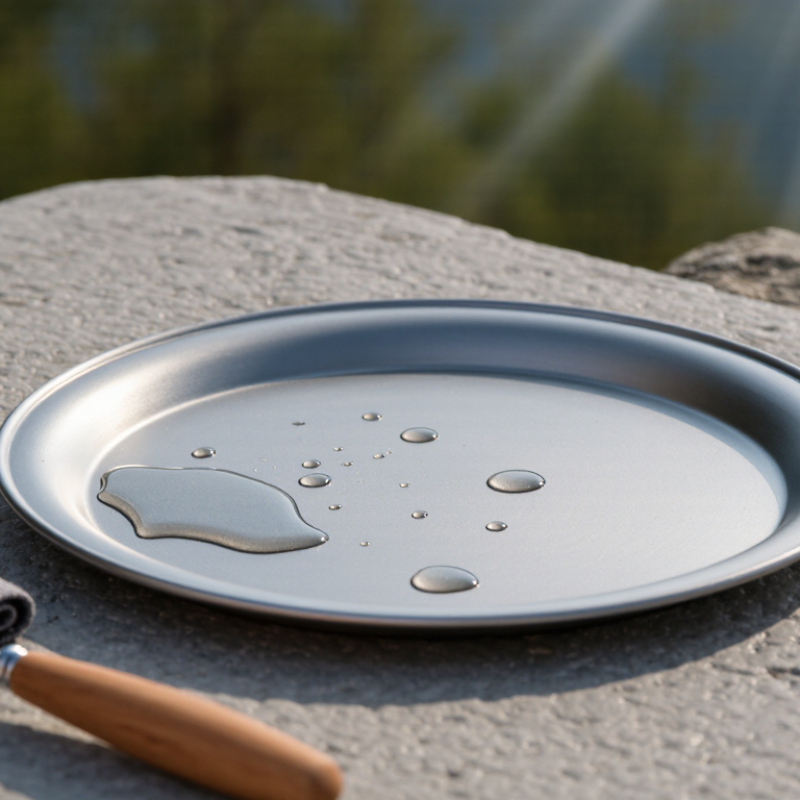
A Titanium Dinner Plate can make outdoor meals feel simpler, especially when every item must earn space in a pack. It is light to carry, yet sturdy enough for repeated trips, from a damp campsite to a rocky picnic table. Rinse off breakfast oats, wipe away a little sauce, and it is ready for the next meal. Small details matter outdoors.

Titanium also resists rust, but it is not magic. The plate can become hot in direct sun, and thin designs may flex under pressure. Its smooth surface may slide on uneven ground, too. These trade-offs deserve attention, not glossy promises. Check the plate’s weight, diameter, rim shape, and care instructions before choosing one. A raised rim can help keep rice or trail mix from spilling when the table shifts.

The right plate depends on how you travel. A solo hiker may value low weight, while a family camper may want a wider surface for shared meals. A titanium dinner plate can last for years with sensible care, though its purchase cost may exceed that of basic alternatives. I can’t responsibly assign a quotation to a named industry expert without a verifiable source. Provide a sourced expert statement, and it can be incorporated accurately.
Why Choose a Titanium Dinner Plate for Outdoor Dining?

What Is a Titanium Dinner Plate?

A titanium dinner plate is a shallow eating vessel made from titanium metal, not simply a steel plate with a titanium-colored finish. Manufacturers may use commercially pure titanium or a titanium alloy, then shape and finish the sheet into a plate. The exact grade and thickness matter. Two plates can look similar but feel quite different in the hand.

Titanium is valued for its relatively low density and resistance to corrosion. The U.S. Geological Survey’s Mineral Commodity Summaries 2025 estimates that China produced about 220,000 metric tons of titanium sponge in 2024, illustrating the scale of the material’s industrial supply. That figure describes raw-material production, not dinnerware quality. For outdoor dining, a plate’s weight, rim shape, surface finish, and stiffness are more useful details to check. A thin plate may flex under a heavy meal. Not ideal.

Unlike a disposable paper plate, titanium dinnerware is intended for repeated use and can be rinsed after a meal outdoors. Its smooth surface can make cleaning straightforward, though food may still cling if the finish is rough or scratched. Titanium does not automatically make every plate indestructible. Check for rolled or rounded edges, since sharp rims feel unpleasant when washing or packing. Small details matter. A plate that nests neatly with others may be more practical around a crowded camp table.


How Titanium Performs in Outdoor Conditions

Why Choose a Titanium Dinner Plate for Outdoor Dining?

How Titanium Performs in Outdoor Conditions

A titanium plate suits outdoor meals where weight and weather matter. It is light in a pack, yet sturdy enough for routine camp use. Rain, damp grass, and salty coastal air are less concerning because titanium resists corrosion. On a windy picnic table, a plate that will not rust after a wet afternoon is reassuring. It is not magic, though. A very thin plate can flex, and a gust can still send it sliding.

Temperature deserves a little thought. Titanium does not insulate food, so a hot meal can warm the plate quickly. Leave it in direct sun, and the surface may feel hot to touch. In practice, I would value its easy carrying more than any promise of perfect comfort. It can also show scuffs over time. That is a small trade-off, but one worth considering if you prefer gear to look new.

Key Benefits for Camping and Outdoor Dining

Why Choose a Titanium Dinner Plate for Outdoor Dining?
Key Benefits for Camping and Outdoor Dining

A titanium plate keeps camp kits light without feeling flimsy. Titanium’s density is about 4.5 g/cm³, roughly half that of common stainless steel. That difference matters when your plate shares a pack with water, food, and a rain jacket. The Outdoor Industry Association’s 2024 Outdoor Participation Trends Report counted 175.8 million U.S. outdoor participants in 2023. More people outdoors means more meals eaten at trailheads, campsites, and picnic tables.

Titanium resists rust and cleans easily after sticky oatmeal or smoky beans. Its smooth surface also helps prevent food odors from lingering between meals. Less scrubbing. Still, it is not magic: thin plates can bend under hard impacts, and metal can feel hot near a stove or fire. I would keep it for serving, not place it directly over a flame. That distinction is easy to forget when dinner is getting cold.

Tips: Let the plate cool before packing it, and use a cloth sleeve to limit rattling. For a simple test, press gently on the rim before buying; a little flex may be normal, but a sharp crease is not.

Why Choose a Titanium Dinner Plate for Outdoor Dining?

Typical material density helps explain why titanium can be a practical choice for camping tableware. Lower density means less material mass for the same volume, though a finished plate’s weight also depends on its size, thickness, and design.

Approximate typical densities: titanium 4.51, stainless steel 8.00, aluminum 2.70, and stoneware 2.40 g/cm³. Actual values vary by alloy or ceramic composition. Titanium combines relatively low density with strong corrosion resistance, making it a durable option for outdoor use.

How Titanium Compares With Other Plate Materials

Why Choose a Titanium Dinner Plate for Outdoor Dining?

How Titanium Compares With Other Plate Materials

A titanium plate is notably light in a backpack, yet it generally resists rust and everyday dents better than many thin aluminum plates. Stainless steel is also tough, but it often weighs more. Ceramic feels familiar at a picnic table, though it can chip or break if dropped on rocky ground. Titanium is not perfect: thin models may flex, and scratches can show after repeated use. It stays light.

Compared with plastic, titanium handles hot meals without softening, but it can cost more and may feel less comfortable against utensils. Aluminum can be lightweight and affordable, though some plates rely on coatings that need careful handling. For meals beside a cold stream, titanium’s low weight matters more than its appearance; at a car campsite, ceramic may feel nicer to eat from. The best choice depends on how far you carry it and how carefully you pack.

Tips: Check the plate’s rim and thickness before buying; a very thin plate can wobble under a full serving. Nest it inside a soft-sided bag to reduce rattling and surface scratches. And remember, a metal plate can become hot when it holds steaming food, so set it on a stable surface before eating.

Factors to Consider When Choosing a Titanium Plate

When choosing a titanium plate, start with weight, diameter, and rim design. ASM Handbook data put commercially pure titanium’s density near 4.51 g/cm³, compared with roughly 7.9 g/cm³ for common stainless steels. That difference matters in a packed bag. Still, an ultra-light plate can feel flimsy on uneven ground. Check its thickness and whether the base sits flat on a picnic table or rock. A raised rim helps keep rice, sauce, or trail mix from sliding off. Small detail. It matters.

Surface finish and care deserve equal attention. A smooth plate is easier to wipe clean, while deep scratches or seams can hold food residue. Ask for documentation on food-contact suitability; the word “titanium” alone does not confirm how an entire product is made or finished. Titanium also conducts heat less readily than many metals, but a plate can still become hot beside a stove or in direct sun. Handle it carefully. Think about nesting, too: a curved rim may take more pack space, even when the plate itself is light. One trade-off is easy to miss. A polished finish looks tidy, but visible scuffs may bother some users after repeated outdoor use.

Why Choose a Titanium Dinner Plate for Outdoor Dining? - Factors to Consider When Choosing a Titanium Plate

Factor What to Consider Titanium Plate Guidance Practical Check Before Buying
Weight and packability For backpacking, every item adds to the load. A plate’s weight depends on its diameter, thickness, and construction. Titanium has a density of about 4.5 g/cm³, compared with about 7.8 g/cm³ for stainless steel. A titanium plate can be light, but the actual weight varies by design. Check the stated weight and dimensions rather than judging by material alone. A thinner plate may weigh less but can be more prone to bending.
Corrosion resistance Outdoor gear may be exposed to rain, damp storage, and salty foods. Titanium forms a protective oxide layer and is generally highly corrosion-resistant. Resistance can still depend on the titanium grade and the conditions of use. Look for clear material specifications, and rinse and dry the plate after use, especially after contact with salt or acidic foods.
Food-contact material The plate should be intended for contact with food and have a surface that is easy to clean. Uncoated titanium avoids a separate surface coating that could scratch or wear. Product quality and manufacturing details still matter. Check that the product is explicitly described as food-safe and follow its care instructions. Avoid plates with damaged coatings or unclear material information.
Heat and serving comfort A plate can become hot when holding hot food or placed near a campfire or stove. Titanium conducts heat less readily than aluminum, but a titanium plate is not insulated and can still become hot. Use a stable surface and handle carefully. Do not place the plate over a flame or use it as cookware unless the manufacturer specifically permits it.
Durability and shape Repeated packing, drops, and pressure in a loaded bag can affect a plate’s shape. Titanium is strong for its weight, but thin sheet metal can still bend or dent. Durability depends on thickness, rim design, and construction. Inspect the rim and base, and compare thickness or construction details when available. Choose a shape that packs securely with your other gear.
Plate size and capacity Small plates save space; larger plates make meals easier to serve but take up more room. There is no single standard outdoor plate size. Select a diameter and depth that suit your meals and packing setup. Compare the listed dimensions with your cookware, storage pouch, or backpack. A raised rim can help contain sauces and loose food.
Cleaning and care Simple cleanup matters when water and washing facilities are limited. A smooth, uncoated surface is generally straightforward to wash. Cleaning recommendations can vary by product and any attached parts or finishes. Follow the manufacturer’s instructions. Remove food promptly, wash with suitable soap and water when available, and dry before long-term storage.
Cost and value Price should be weighed against intended use, expected lifespan, and how often the plate will be carried. Titanium products often cost more than basic alternatives. A low weight may be especially useful for frequent backpacking, while it may matter less for car camping. Compare the plate’s weight, construction, warranty, and care requirements with your budget and outdoor activity.

Selection tip: Titanium is a strong option when low carried weight and corrosion resistance are priorities. For occasional car camping, compare it with other materials based on cost, size, and how the plate will be used.

Scroll to Top