7 Tips for Choosing the Right Sheet Extruder
Choosing the right Sheet Extruder is a production decision, not a simple equipment purchase. The machine affects sheet thickness, surface quality, energy use, scrap rates, and long-term maintenance costs. A promising specification can still fail beside a real production line.
Industry data shows why this choice matters. PlasticsEurope reported approximately 400 million tonnes of global plastics production in 2022. The OECD’s Global Plastics Outlook also highlighted rising plastic consumption, waste, and pressure for improved circularity. These trends are reshaping extrusion requirements. Manufacturers now evaluate recycled-content capability, stable melt processing, energy efficiency, and material flexibility alongside output.
A reliable selection process should examine seven practical areas. These include material compatibility, required sheet dimensions, throughput, screw design, temperature control, automation, and after-sales support. The right balance depends on your actual polymer mix. PET, PP, PS, ABS, and recycled blends do not behave identically inside the barrel.
Look closely at the melt filter. Watch the sheet leaving the die. Small thickness variations may become obvious after thermoforming. A capable supplier should provide test data, not only attractive catalog numbers. Reports from the European Plastics Converters and Plastics Recyclers Europe also emphasize the growing importance of recycled materials and process consistency.
No checklist is perfect. I have seen buyers focus heavily on hourly output, then discover excessive waste during startup. That mistake is easy to repeat. This guide explains seven evaluation tips for comparing machines realistically, questioning supplier claims, and matching a Sheet Extruder to dependable production performance.
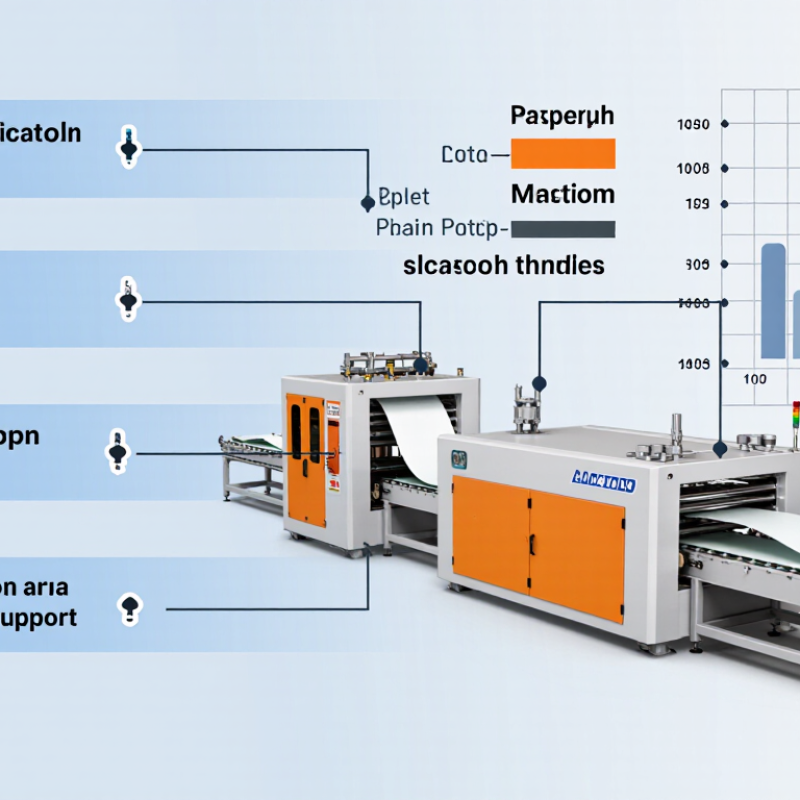
Define the Sheet Specifications and Production Requirements
7 Tips for Choosing the Right Sheet Extruder
Define the Sheet Specifications and Production Requirements
A reliable sheet extruder starts with a precise product definition. Record the material, sheet width, thickness range, and acceptable thickness tolerance. Do not write “standard sheet” on the specification form. That phrase creates expensive confusion.
In production trials, I have seen small errors multiply. Measure twice. Note the target output in kilograms per hour, expected line speed, and daily operating hours. Also identify the sheet’s surface requirements, color changes, edge trim, and downstream equipment. A machine designed for a narrow sheet may struggle with a wider format, even when the polymer is similar. Temperature sensitivity matters too. Some materials need gentle melting, while others require stronger mixing and stable pressure control.
I once focused too heavily on maximum output. The trial looked impressive, but the sheet showed uneven cooling at normal speed. That experience changed how I evaluate equipment. Peak capacity is less useful than stable production within the required range. Define start-up time, changeover frequency, scrap limits, and available floor space before comparing extruders. Include electrical supply, ventilation, water cooling, and operator access. These details are easy to overlook. They often determine whether the planned line works smoothly. Leave room for future thickness changes, but avoid paying for capacity that the product will never use.

Match Extruder Design to the Intended Polymer Materials
7 Tips for Choosing the Right Sheet Extruder
Match Extruder Design to the Intended Polymer Materials
Tip 1: Start with the polymer, not the machine. Commodity polymers may process well with a general-purpose screw, while engineering grades often need tighter temperature control. Check melt temperature, moisture sensitivity, and thermal stability before selecting the barrel and screw.
Tip 2: Match screw geometry to melt behavior. A high-viscosity polymer may require deeper flights and stronger torque. Shear-sensitive materials need gentler mixing. Too much shear can create discoloration, bubbles, or uneven thickness. I have seen stable output change after only a small temperature adjustment.
Tip 3: Consider additives and recycled content. Mineral fillers, glass fibers, and flame-resistant compounds can increase wear and alter pressure. Abrasion-resistant surfaces may be necessary. Recycled feedstock can also vary between batches, so filtration and melt-pressure monitoring become more important.
Tip 4: Select feeding and drying systems carefully. Hygroscopic polymers can produce streaks or weak sheets when moisture remains inside the pellets. A dryer, hopper, and conveying line should work as one controlled system. Skipping this check is a common mistake.
Tip 5: Test before committing. Run a short trial using the intended polymer grade, color, and additive level. Measure melt pressure, sheet gauge, surface appearance, and energy use. Laboratory data helps, but production conditions can reveal problems that samples hide.
Tip 6: Leave room for adjustment. Polymer suppliers may change formulations, and recycled content may fluctuate. A flexible extruder design is often safer than a narrowly optimized one. This is easy to underestimate.
Evaluate Output Capacity, Sheet Thickness, and Control Accuracy
7 Tips for Choosing the Right Sheet Extruder
Evaluate Output Capacity, Sheet Thickness, and Control Accuracy
Choosing a sheet extruder starts with the production sheet, not the catalogue headline. PlasticsEurope’s Plastics—The Fast Facts 2024 reports 413.8 million tonnes of global plastics production in 2023. That scale makes capacity claims easy to exaggerate. Tip one: calculate required kilograms per hour from your actual resin, width, thickness, and uptime. Tip two: compare continuous output, not a short peak. Leave headroom for screen changes and start-ups. Small detail, major cost.
Tip three: define the thickness range before selecting the die and roll stack. A 0.3-millimetre sheet and a 6-millimetre sheet demand different thermal stability. Tip four: request cross-web and machine-direction tolerance data. Ask for readings, not adjectives. Tip five: verify automatic gauge control with a calibrated micrometer or beta gauge. ISO 4593 describes film and sheeting thickness measurement, but your acceptance test should match the finished product. I have seen impressive averages hide thick edges.
Tip six: test temperature, pressure, and screw-load trends during a full production run. Tip seven: run your own material, including recycled content, before signing off. The OECD’s Global Plastics Outlook reports 353 million tonnes of plastic waste in 2019, with only 9% recycled. That variability can change melt strength and thickness stability. A supplier’s laboratory sample is useful, but not decisive. Require a documented trial, power data, scrap rate, and tolerance map. Be willing to reject a faster line if control accuracy drifts after four hours.
Compare Energy Use, Maintenance Needs, and System Flexibility
7 Tips for Choosing the Right Sheet Extruder
Energy use deserves more than a brochure estimate. The International Energy Agency’s Energy Efficiency 2024 report identifies industry as roughly 37% of global final energy demand. For sheet extrusion, measure electricity in kWh per kilogram, not only motor horsepower. Ask for test data at your actual resin, thickness, and output rate. Compare barrel heating, drive efficiency, cooling demand, and standby consumption. Small losses multiply during continuous production.
Maintenance can quietly erase an attractive purchase price. Check heater access, filter-change time, screw removal procedures, and the availability of wear-part specifications. The European Commission’s 2023 Best Available Techniques Reference Document for Polymers emphasizes preventive maintenance, process monitoring, and energy management. Request records from comparable production lines. A claimed service interval may look impressive, but dirty filters and unstable melt pressure tell a different story. That is where experience matters.
Flexibility protects future orders. Examine the extruder’s usable output range, screw-design options, die adjustment, recycled-content tolerance, and control-system data access. The U.S. Department of Energy’s 2022 Manufacturing Energy and Carbon Footprint report shows why process efficiency should be evaluated across the whole production system, not one component. Compare line changeover minutes, scrap during startup, and temperature recovery time. Bring operators into the trial. Engineers sometimes optimize the machine, while operators inherit the difficult cleaning work. I have seen that mistake cost more than expected. Also, leave room for uncertainty: laboratory results rarely match every shift, material batch, or maintenance condition.
7 Tips for Choosing the Right Sheet Extruder - Compare Energy Use, Maintenance Needs, and System Flexibility
| Tip | Decision Factor | Typical Planning Benchmark | What to Compare | Why It Matters | Flexibility Rating |
|---|---|---|---|---|---|
| 1 | Match output capacity to actual demand | Select a stable operating point near 60–85% of rated throughput rather than sizing only for peak demand. | Rated kg/h, usable turndown range, screw diameter, and die width. | Oversized equipment can increase idle energy, residence time, and process instability. | High when correctly sized |
| 2 | Compare specific energy consumption | A practical planning range for many sheet lines is approximately 0.30–0.80 kWh/kg, depending on polymer, output, heating, cooling, and auxiliaries. | Motor efficiency, barrel insulation, heater control, melt pump load, chill-roll cooling, and vacuum systems. | Specific energy gives a fairer comparison than installed motor power alone. | High with measured data |
| 3 | Evaluate material and product flexibility | Confirm the required polymer family, melt-temperature window, sheet thickness range, and recycled-content percentage before selection. | Single-screw or twin-screw configuration, screw design, feeding system, filtration, and die adjustment range. | A system optimized for one resin may provide poor output stability when materials or formulations change. | Medium to high |
| 4 | Check thickness and width control | For demanding sheet applications, specify automatic die-bolt control, melt-pressure monitoring, and online thickness measurement where justified. | Thickness capability, die-lip adjustment, roll-gap control, width-trim system, and control-loop response. | Better profile control reduces off-spec material and improves yield across different sheet formats. | High |
| 5 | Estimate maintenance workload and access | Prefer designs with accessible heaters, removable screen changers, replaceable wear parts, and clear maintenance access around the die and rolls. | Planned cleaning time, filter-change procedure, screw-pull requirements, spare-parts availability, and service documentation. | Shorter interventions reduce downtime and lower the risk of delayed preventive maintenance. | High when accessible |
| 6 | Compare filtration and contamination control | Choose filtration capacity based on contamination level, melt flow rate, pressure limit, and acceptable screen-change frequency. | Manual versus automatic screen changing, pressure monitoring, breaker-plate design, and purge requirements. | Proper filtration protects the die and improves sheet appearance, but excessive pressure can raise energy use and reduce output. | Medium to high |
| 7 | Assess future expansion and integration | Allow for future options such as coextrusion, additional feeders, inline recycling, automated winding, and plant data collection. | Modular controls, spare electrical capacity, communication protocols, floor space, utilities, and changeover time. | A modular line can adapt to new products without replacing the complete extrusion system. | Very high when modular |
Note: Energy figures are indicative planning ranges for complete sheet-extrusion operations and can vary substantially with polymer type, sheet thickness, throughput, cooling demand, filtration, and plant utilities. Request measured test data under comparable operating conditions before making a final purchase decision.
Verify Safety Features, Supplier Support, and Long-Term Value
Choosing the right sheet extruder requires more than comparing output rates and purchase prices. Safety features deserve close attention because operators work near heat, pressure, and moving components. Look for guarded zones, emergency stops, temperature alarms, overload protection, and interlocked access doors. Controls should be clear, even when gloves and protective eyewear are used. Ask for a documented risk assessment and practical operator training.
Tip 1: Request a live demonstration. Watch how quickly the machine stops, how alarms appear, and how easily operators can clean the die area. A smooth demonstration is useful, but real production conditions may expose weaknesses. No checklist catches everything.
Supplier support strongly affects daily reliability. Confirm installation guidance, troubleshooting procedures, spare-parts availability, and response times. Ask whether technicians can support commissioning remotely or on site. Request references from facilities producing similar sheet materials. Manuals should include service intervals, calibration steps, and clear electrical drawings. Vague answers are a warning.
Tip 2: Test the support before ordering. Send several technical questions and evaluate the accuracy and speed of each reply.
Long-term value includes energy use, maintenance frequency, training costs, and future capacity. Compare total ownership costs over several years, not only the quotation. Check whether the extruder can accept future upgrades without major reconstruction. I would question any promise of effortless operation. Every machine needs inspection, adjustment, and disciplined maintenance. Reliability is built through evidence, not confident language.
Tip 3: Record trial results for thickness variation, waste, changeover time, and melt stability. These details often reveal more than headline specifications.
7 Tips for Choosing the Right Sheet Extruder
This practical evaluation model assigns 100% of the purchasing decision across seven measurable areas. Verify safety features, supplier support, performance data, and long-term operating value before making a final choice.
Suggested weighting model: safety and compliance should receive the highest priority, followed by sheet quality, production capability, service support, energy use, lifecycle cost, and upgrade flexibility. Adjust the percentages according to your material, output requirements, and factory conditions.