What is a Stainless Steel Sequence Valve and Its Applications?
The Stainless Steel Sequence Valve is a crucial component in hydraulic systems. Its design ensures the efficient flow of fluid, enabling various machinery to operate smoothly. This valve plays an essential role in applications where precise control is necessary.
One significant advantage of using stainless steel is its durability. This material withstands harsh environments, reducing failure risks. Nevertheless, not all applications may require this robust solution. Some systems might function well with alternatives. It is essential to assess each situation carefully.
Understanding the Stainless Steel Sequence Valve's applications enhances its effectiveness in different industries. Industries such as manufacturing, construction, and automotive heavily rely on this technology. Proper installation and maintenance are vital. Neglecting these aspects can lead to performance issues. Striking a balance between quality and cost is important too.
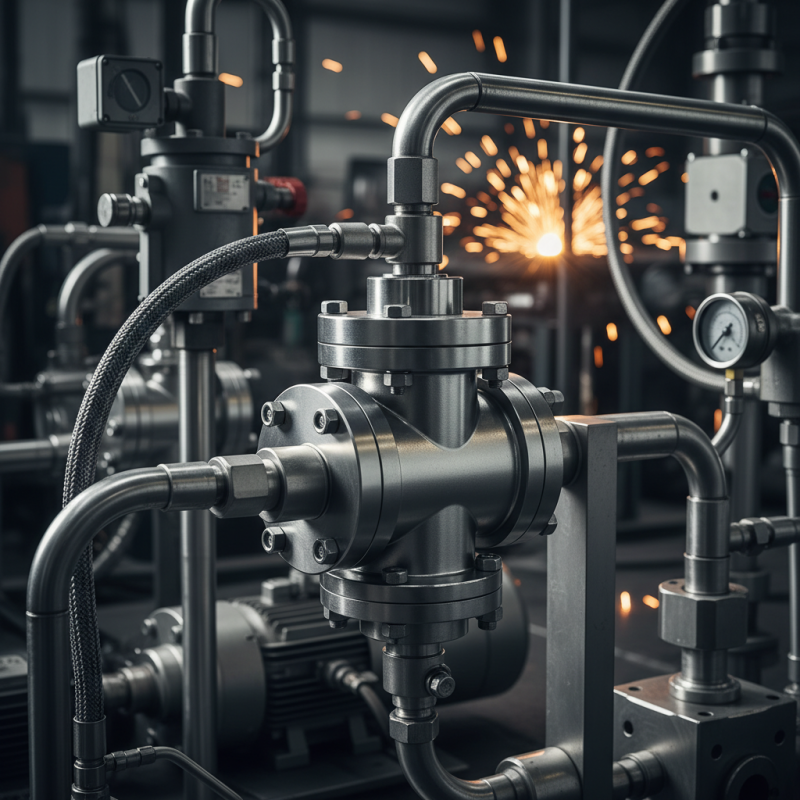
Definition and Functionality of Stainless Steel Sequence Valves
Stainless steel sequence valves are vital components in hydraulic systems. They control the flow of fluid, ensuring that operations occur in a specific order. The design prevents mechanical failures and enhances system efficiency. Made from durable stainless steel, these valves resist corrosion, making them ideal for harsh environments.
A sequence valve functions by allowing fluid to flow only when certain pressure levels are reached. This ensures that secondary operations do not start until primary tasks are completed. For example, in a press machine, the sequence valve ensures that the pressing action occurs before the ejection of the finished part. This sequential control enables smoother operations and protects equipment from damage.
Applications of these valves are numerous. They are commonly found in industrial machinery, construction equipment, and even in automotive systems. However, not every design may work perfectly in all scenarios. Over-reliance on sequence valves can lead to unexpected failures if not regularly maintained. Users must reflect on how often these components are inspected to ensure long-term reliability and safety.
Key Advantages of Using Stainless Steel in Valve Manufacturing
Stainless steel is a popular choice for valve manufacturing, including stainless steel sequence valves. Its resistance to corrosion ensures longevity, making it suitable for various environments. This material maintains its integrity even under extreme conditions, such as high pressure and temperature. Industries rely on these valves for hydraulic and pneumatic systems, where durability is crucial.
One key advantage of stainless steel is its hygienic properties. In sectors like food and pharmaceuticals, cleanliness is a must. Stainless steel valves are easy to clean and resistant to contamination. This helps maintain product quality and safety. However, welding and fabrication of stainless steel can be complex. Poorly executed processes may lead to weaknesses in the structure.
Another benefit is the aesthetic appeal of stainless steel. Its shiny finish and modern look can enhance equipment design. Yet, not every application may require this aesthetic. Sometimes, simpler materials might suffice. Evaluating the specific application is essential. A balance between cost, performance, and aesthetics is necessary in valve selection.
Common Applications of Stainless Steel Sequence Valves in Industry
Stainless steel sequence valves are vital components in many industrial applications. They control the sequence of fluid flow, ensuring that operations run smoothly and efficiently. One common application is in hydraulic systems, where sequence valves manage the timing of various actuator operations. This is crucial for machinery like elevators, presses, and injection molding equipment.
Another significant area is in wastewater treatment plants. Here, sequence valves help manage the flow of water through different treatment stages. They ensure that each stage receives the correct quantity of water, optimizing treatment efficiency. In these settings, reliability is essential. Any failure can lead to significant downtime and increased costs.
Despite their robust design, issues can arise. For instance, improper installation or maintenance can cause leaks or sequencing errors. It is important to regularly inspect and test these valves. Operators should not overlook the operational environment, including temperature and chemical exposure, which can impact valve performance. Understanding these factors will lead to better reliability and efficiency in industrial applications.
Comparison with Other Types of Sequence Valves
Stainless steel sequence valves are essential in hydraulic systems, managing fluid flow and ensuring operations occur in a specific order. When comparing them to other types of sequence valves, such as cartridge or modular valves, several differences arise. Stainless steel valves are more resistant to corrosion and can handle higher pressures, making them suitable for harsher environments.
In contrast, cartridge valves may be easier to install and replace, but they lack the durability of stainless steel options. Modular valves provide versatility with customizable configurations but can be bulkier. The choice depends on the application needs, whether it’s speed, efficiency, or space constraints.
Tip: Always consider the environment where the valve will be used. For harsh conditions, stainless steel is often the best choice.
However, it's essential to recognize the potential downsides. Stainless steel valves can be more expensive and heavier than other types. Installation requires careful planning to ensure optimal performance.
Tip: Regular maintenance can improve the lifespan of your sequence valves, regardless of the type. Proper lubrication and routine checks are critical.
Maintenance and Care for Stainless Steel Sequence Valves
Stainless steel sequence valves are reliable components in various hydraulic systems. However, their longevity and performance depend significantly on proper maintenance and care. Regular inspection is crucial. Check for any signs of wear or leaks, as even minor issues can lead to major failures over time. Stainless steel is resistant to corrosion, but it is not invincible. Dust and contaminants can accumulate, impacting performance.
Cleaning the valve should be a routine task. Use a soft cloth and non-abrasive cleaner to maintain its exterior. Avoid harsh chemicals that could damage the surface. Regular lubrication of moving parts ensures smooth operation. Make it a habit to replace seals and gaskets periodically. Even high-quality materials degrade under constant stress.
While stainless steel valves are generally low maintenance, overlooking details can lead to problems. It’s essential to document maintenance activities. This helps track performance over time and identifies trends. Periodically revisiting these records can highlight patterns and potential flaws. Ultimately, paying attention to these elements can prevent costly downtime and extend the valve's service life.
What is a Stainless Steel Sequence Valve and Its Applications? - Maintenance and Care for Stainless Steel Sequence Valves
| Dimension | Specifications | Applications | Maintenance Tips |
| Size | 1/4" to 2" | Hydraulic systems, Pneumatic controls | Regular inspection for leaks |
| Material | Stainless Steel 304, 316 | Food processing, Chemical processing | Keep clean and free from contaminants |
| Pressure Rating | Up to 3000 PSI | Manufacturing, Automotive applications | Check seals and fittings periodically |
| Temperature Range | -20°F to 300°F | HVAC systems, Power generation | Ensure proper lubrication |
| Flow Direction | Unidirectional/Bidirectional | Robotics, Industrial automation | Replace worn components as needed |