What is Pert Pipe and its Benefits for Global Buyers?
Pert Pipe is becoming popular among global buyers for various applications. This innovative piping solution is made from high-density polyethylene, offering durability and flexibility. Its resistance to corrosion and chemicals makes it ideal for a range of environments. Global buyers appreciate Pert Pipe for its lightweight design, which enhances ease of handling and installation.
The benefits of Pert Pipe extend beyond just physical properties. It is also an eco-friendly option, as it is recyclable and reduces environmental impact. Many industries are shifting towards sustainable solutions, making Pert Pipe a wise choice. However, potential buyers should consider the regional availability and costs associated with this material.
As with any product, there are challenges to acknowledge. Quality control and sourcing from reputable manufacturers are crucial. Ensuring that the Pert Pipe meets industry standards will ultimately determine its performance in specific applications. By examining these factors, global buyers can make informed decisions that align with their needs and values.
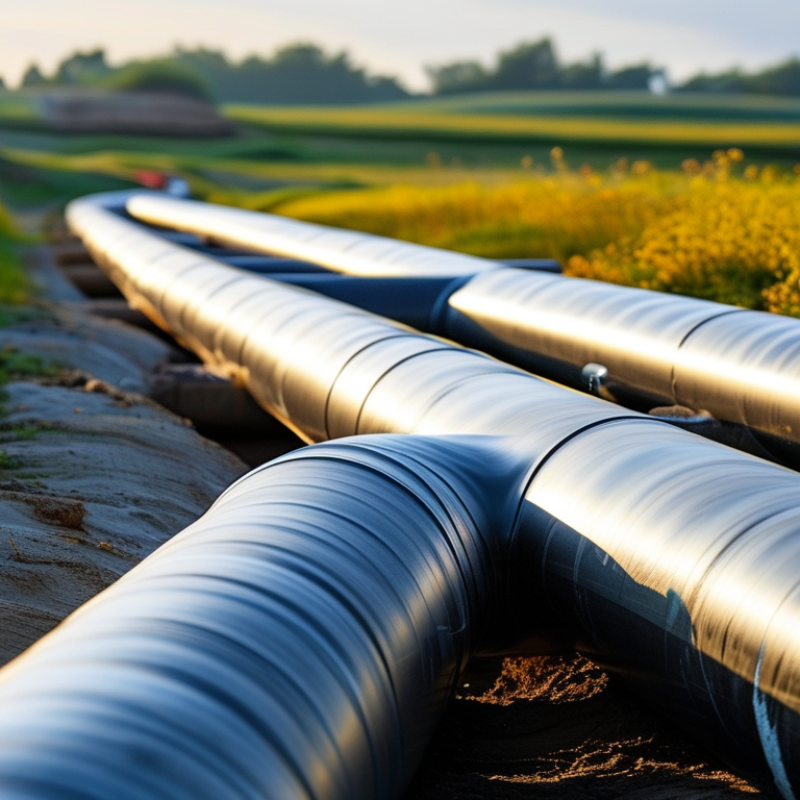
What is Pert Pipe and How Does It Work?
Pert pipes, made from cross-linked polyethylene, have gained attention for their versatility and durability. They are widely used in plumbing and heating applications. These pipes are resistant to corrosion and scale, making them ideal for various environmental conditions. According to industry reports, the global PERT pipe market is projected to reach $1.3 billion by 2027, reflecting their growing acceptance.
The key to Pert pipes lies in their unique properties. They perform well under high temperatures and pressure, making them suitable for both residential and commercial installations. Their lightweight design simplifies handling and installation. Furthermore, Pert pipes exhibit excellent flexibility, reducing the need for joints and connections. This minimizes potential leak points, enhancing system reliability.
Tip: When selecting Pert pipes, consider the thickness and diameter relevant to your project. A thorough understanding of local building codes is essential for compliance. Be mindful of the limitations in extreme temperatures, as excessive heat can affect performance.
Pert pipes also have an environmental edge. They are recyclable and reduce energy consumption. However, improper installation techniques can lead to issues later. Contractors should be trained in appropriate practices to ensure longevity. Emerging technologies continue to enhance the performance of Pert pipes, but vigilance is necessary in monitoring their application.
Key Features and Specifications of Pert Pipe
PERT pipe, known for its versatility and durability, offers numerous benefits for global buyers. Its chemical resistance makes it ideal for various applications, including plumbing and heating systems. With a temperature range of -40°C to 95°C, PERT excels in both high-temperature and low-temperature environments. According to recent industry reports, the global market for PERT pipe is projected to grow at a CAGR of 5.6% from 2021 to 2027. This growth reflects the increasing demand for efficient and long-lasting piping solutions.
Key features of PERT pipe include its lightweight design and flexibility. Unlike traditional piping materials, PERT is easier to transport and install, reducing overall labor costs. The pipe's ability to withstand high pressures without deformation enhances its reliability. Notably, PERT pipe has a life expectancy of over 50 years. However, some users raise concerns about compatibility with certain chemicals, which requires careful consideration during selection.
Specifications such as size and wall thickness are critical for ensuring optimal performance. Standard diameters range from 16mm to 63mm, accommodating various installation needs. Reports indicate that improper sizing can lead to decreased efficiency and potential leaks. Overall, while PERT pipe boasts impressive features, buyers must evaluate their specific requirements to avoid future challenges.
What is Pert Pipe and its Benefits for Global Buyers? - Key Features and Specifications of Pert Pipe
| Feature | Description | Benefits |
| Material | Polyethylene of raised temperature resistance (PERT) | Flexibility and durability for various applications |
| Temperature Resistance | Suitable for high temperatures up to 95°C (203°F) | Ideal for heating systems and hot water applications |
| Corrosion Resistance | Resistant to chemicals and corrosive elements | Longer lifespan and reduced maintenance costs |
| Lightweight | Significantly lighter than traditional metal pipes | Easier handling and installation |
| Insulation | Lower thermal conductivity | Improves energy efficiency and reduces heat loss |
Advantages of Using Pert Pipe for Different Applications
Pert pipe has gained popularity for various applications, thanks to its unique properties. It is lightweight and flexible, making it easier to install. Its resistance to corrosion and chemicals enhances its longevity. These advantages make Pert pipe suitable for heating and plumbing systems. Global buyers often seek these benefits for commercial and residential projects.
When considering Pert pipe, think about its temperature range. It can handle hot and cold water, which is essential for many applications. However, it's crucial to check local regulations. Not every region has guidelines for using Pert pipe. Therefore, buyers should conduct thorough research before making decisions.
Tips: Always consult with an expert on installation. They can provide valuable insights about necessary fittings and connections. Proper installation is key to avoiding leaks. Also, consider the pipe's thermal expansion. While Pert pipe is flexible, it can still expand under heat. Buyers should account for this in their design plans. Taking these factors into consideration leads to better results.
Benefits of Using PERT Pipe for Different Applications
Comparison of Pert Pipe with Other Pipe Materials
When considering plumbing materials, Pert pipe stands out for its unique advantages. Its flexibility allows it to bend without breaking, making installation easier in confined spaces. Compared to traditional metal pipes, Pert pipes resist corrosion and scaling, thus ensuring longevity. This makes them appealing to builders and contractors worldwide.
In contrast to PVC pipes, Pert pipes can handle higher temperatures without losing structural integrity. The ability to withstand varied climates adds to their versatility. On the downside, some may worry about the initial cost of Pert installation compared to cheaper alternatives. Yet, the long-term savings on maintenance and energy efficiency often outweigh those upfront costs.
While Pert pipes offer many benefits, its environmental impact needs consideration. Although they are recyclable, improper disposal can create waste issues. Buyers should evaluate their options carefully. Selecting the right pipe material involves balancing cost, durability, and ecological footprint. This decision affects not just immediate projects but long-term sustainability.
Global Market Trends and Demand for Pert Pipe
The global market for Pert pipes has been experiencing a considerable shift in recent years. Increasing demand for efficient plumbing solutions drives interest in Pert technology. This changing landscape is partly due to a growing emphasis on sustainable construction practices. Buyers today favor materials that promise durability and performance while minimizing environmental impact.
Pert pipes offer numerous advantages, including resistance to corrosion and low thermal conductivity. These features make Pert an attractive option for various applications, from residential plumbing to industrial settings. However, as the market expands, buyers should exercise caution. Not all suppliers meet the same standards, leading to variations in product quality.
As demand surges, understanding local market trends becomes crucial. Economic conditions and regional regulations can affect availability and pricing. Market participants must be proactive in seeking reliable sources. Engaging with knowledgeable experts can help buyers navigate these complexities and avoid pitfalls in their procurement processes.