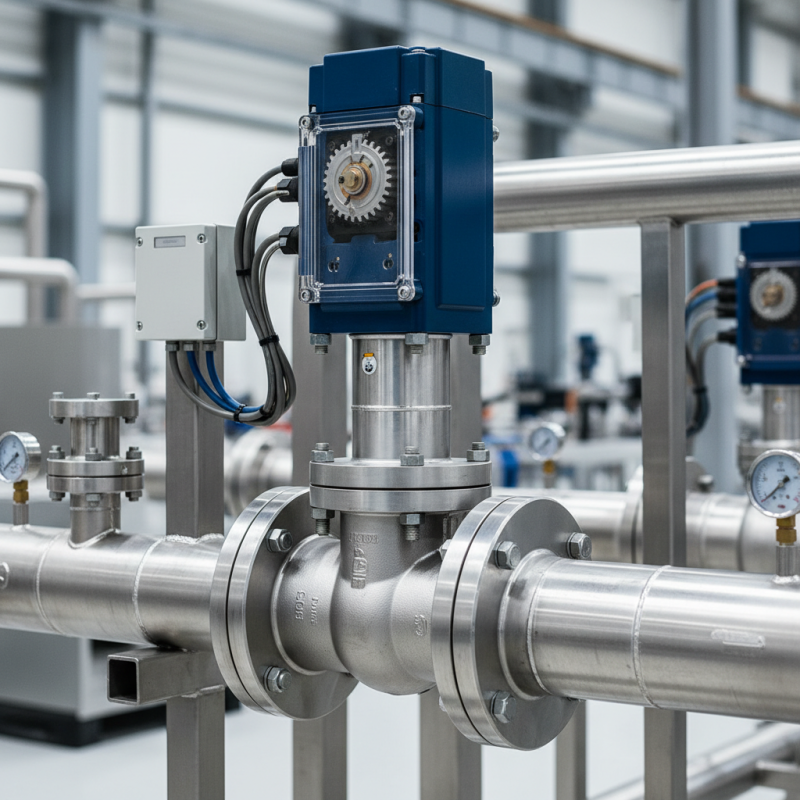
What is a Motorized Valve and How Does it Work?
A Motorized Valve is an essential component in various control systems. It automates the regulation of fluids in pipelines. This technology plays a crucial role in both industrial and residential settings.
Understanding how a Motorized Valve works can enhance system efficiency. The valve utilizes an electric actuator. This actuator opens or closes the valve based on signals received. However, the reliability of these signals can be a concern.
In many applications, precision is key. A tiny error can lead to significant issues. Sometimes, maintenance can be tricky. Users must regularly check for wear and tear. Making these adjustments can be daunting. But with the right knowledge, operating a Motorized Valve can become straightforward and effective.
What is a Motorized Valve?
A motorized valve is an essential component in various industrial applications. It functions by using an electric actuator to control the opening and closing of the valve. This allows for precise regulation of fluid flow in systems, contributing to efficiency and safety. In many cases, these valves are used in heating, cooling, and water treatment processes.
The global motorized valve market is projected to grow significantly. Reports indicate that it is expected to reach over USD 20 billion by 2025. This growth reflects increased automation in industries. Companies are investing in motorized valves to ensure better flow control and reduce operational costs. However, there remain challenges in terms of maintenance and compatibility with existing systems.
Motorized valves offer many benefits, yet they are not without issues. For instance, improper installation can lead to leaks or actuator failures. The selection of the right valve type is crucial. A mismatch may cause inefficiencies or even system breakdowns. Careful consideration and regular maintenance can help mitigate these problems, ensuring reliable performance over time.
Components of a Motorized Valve
Motorized valves play a crucial role in various industrial applications. Understanding the components of a motorized valve is essential for grasping its functionality. A motorized valve typically comprises an actuator, a valve body, and a positioner. The actuator converts electrical energy into mechanical force. This force operates the valve, regulating the fluid flow.
The valve body is the main structure of the valve. It directs the flow through pathways that ensure efficiency and reliability. Materials like stainless steel or plastic are common. They provide durability and resistance to corrosion. According to industry data, the global market for motorized valves is projected to grow by 5% annually. This indicates a rising demand for efficient flow control technologies.
Positioners are also integral. They control the actuator's movements precisely. The feedback loop between the positioner and actuator is vital for accuracy. Fluctuations in pressure or temperature can influence performance. For instance, significant pressure variations might cause delays in response. It's crucial to regularly assess the calibration of these components. Maintaining them can be challenging yet essential for operational efficiency.
How Does a Motorized Valve Operate?
A motorized valve is crucial for modern automation in various industries. It operates by converting electrical energy into mechanical motion. The actuator receives a control signal and moves the valve to the desired position. Data from industry reports indicate that motorized valves can improve operational efficiency by up to 25%. They enable precise control over fluid flow and pressures.
These valves can be electric or pneumatic, each with unique characteristics. For instance, an electric motorized valve uses motors for operation, while a pneumatic valve relies on air pressure. Reports show that electric actuators are becoming preferred due to their energy efficiency. Yet, they have wiring complexities, which may pose installation challenges. About 15% of companies report issues with valve integration into existing systems.
Motorized valves are not without imperfections. They can fail due to power outages or incorrect signals. Regular maintenance is essential to prevent these problems. An estimated 20% of valve failures result from inadequate upkeep. Many facilities overlook this aspect. It's critical to reflect on how maintenance practices could enhance system reliability, reducing downtime.
Applications of Motorized Valves in Industry
Motorized valves play a crucial role in various industries. They automate the control of fluid flow, which enhances efficiency. These valves are especially prevalent in water treatment plants, HVAC systems, and chemical processing. Their ability to respond quickly to commands makes them essential for maintaining the desired flow rates and pressures.
In manufacturing, motorized valves help regulate processes. For example, they control steam in power plants. This application improves safety and operational reliability. In food processing, precise flow control ensures product quality. Motorized valves minimize the risk of contamination and maintain hygiene standards.
Tips: Always consider the specific needs of your system while selecting valves. Compatibility with existing infrastructure is key. Regular maintenance checks can prevent unexpected downtime. Train staff to understand valve operation. This knowledge helps in troubleshooting when issues arise. Engaging employees in training sessions can enhance safety and efficiency over time.
Advantages of Using Motorized Valves Over Manual Valves
Motorized valves offer various advantages compared to manual valves. These automated devices operate with an electric actuator, allowing precise control over fluid flow. Unlike manual valves, motorized valves minimize the need for human intervention. This is crucial in large systems where quick adjustments are necessary. Operators can manage the flow rate using a control panel, enhancing efficiency.
One significant benefit is the reduction in labor costs. Manual valves require constant monitoring and manual operation, which can be time-consuming. Motorized valves can operate on a schedule or in response to specific conditions. This capability leads to higher efficiency and lowers operational risks.
However, not all systems benefit from motorized valves. In some cases, the initial setup and maintenance may complicate things. Also, if the power fails, operators risk losing control over the system. These drawbacks push engineers to weigh the benefits and challenges carefully. Proper analysis is necessary to decide the right valve system for any installation.