What is an Invisible Dog Fence and How Does It Work?
Invisible Dog Fences have become a popular solution for pet owners seeking to keep their dogs safe within a defined area. These systems operate by utilizing a buried wire that creates a perimeter around your yard. The fence remains "invisible" to the eye, making it both aesthetically pleasing and unobtrusive. It is essential to understand how this technology works and its benefits.
Many pet owners are drawn to Invisible Dog Fences due to their convenience. These systems offer a reliable way to prevent pets from wandering off. However, there are some considerations to keep in mind. Training your dog to respect the invisible boundary is crucial. Misunderstandings during the training phase can result in confusion for pets. Some dogs may not respond well initially and require additional reinforcement.
Moreover, while an Invisible Dog Fence can be effective, it may not be a one-size-fits-all solution. Different dog breeds have varying levels of sensitivity and training requirements. Owners should reflect on their specific circumstances and their dog's personality. This helps in making a more informed decision. By considering these factors, pet owners can better ensure their beloved pets' safety and happiness.
What is an Invisible Dog Fence?
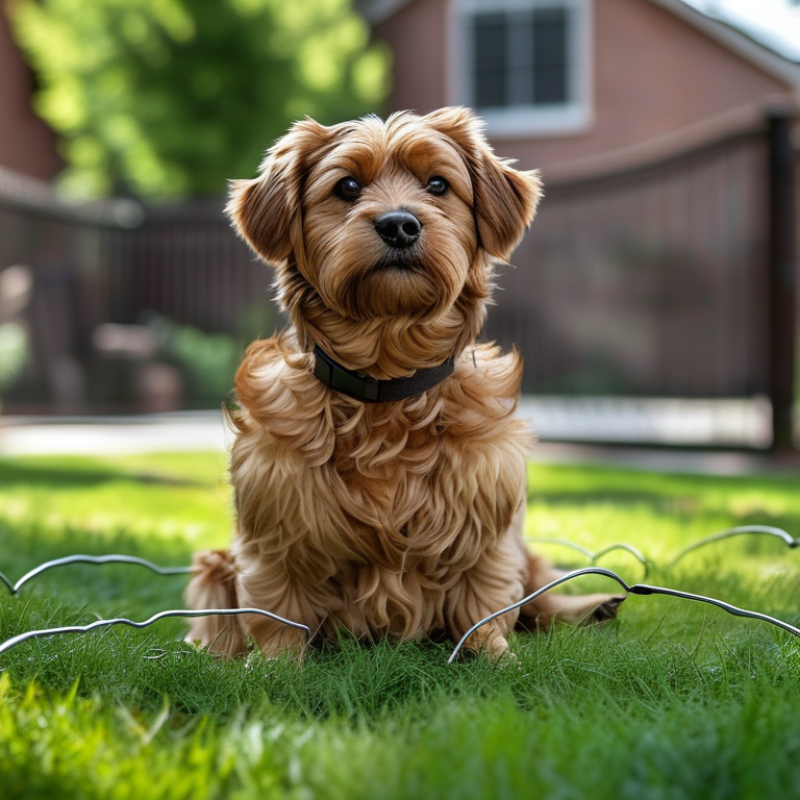
An invisible dog fence is a training system used to contain pets within a specific area. It typically consists of a buried wire and a collar equipped with a receiver. When a dog approaches the boundary, the collar emits a warning sound, followed by a mild static correction if the dog continues. This method helps to establish boundaries without traditional fences.
Many pet owners appreciate the flexibility this system offers. It allows dogs to roam freely within the yard while keeping them safe. However, implementing an invisible fence requires thoughtful planning. Consider the layout of your yard. You need to establish clear lines where the wire will go. Any obstacles, such as trees or shrubs, should be accounted for to maintain a consistent signal.
Tips: Regular training sessions are essential. Reinforce the boundaries with your dog consistently. Also, monitor your pet’s behavior closely, especially during the initial phase. Some dogs may test the limits, so it’s crucial to ensure they understand the boundaries. Finally, consider the weather. Rain or snow can sometimes affect the signal, requiring you to check connections periodically.
What is an Invisible Dog Fence?
| Feature | Details |
| Definition | An invisible dog fence is an electronic system designed to keep pets confined within a designated area without physical barriers. |
| How It Works | The system typically includes a transmitter, a wire laid around the perimeter, and a receiver collar worn by the dog. The collar emits a warning sound when the dog approaches the boundary, and if the dog continues, it delivers a mild static correction. |
| Installation | Installation can be DIY or professional. The wire can be buried underground or laid on the surface, and proper planning is required to set the boundary. |
| Benefits | Benefits include increased freedom for the dog, flexibility in boundary customization, and a more aesthetically pleasing yard without physical fences. |
| Considerations | Considerations include the need for training the dog to understand the boundaries and the potential for the collar to malfunction or battery to die. |
| Training | Proper training is essential for success. It often involves teaching the dog to associate the warning sound with the boundary. |
| Limitations | Limitations include the potential for stubborn dogs to ignore corrections and the system’s inefficacy in preventing non-pet intrusions. |
Key Components of an Invisible Dog Fence System
Invisible dog fences offer a modern method to keep your pet safe within designated boundaries. The key components of an invisible dog fence system include a transmitter, receiver collar, and boundary wire. The transmitter sends signals through the buried wire, creating a perimeter. The receiver collar picks up these signals, alerting your dog when they approach the boundary.
Installation requires careful planning. The boundary wire should follow existing landscape features. This helps to avoid gaps that could lead to escape. Make sure the transmitter is placed in a dry and sheltered area. Give your dog time to adjust. Training is essential for effective use.
Tips: Use flags during training to visually reinforce boundaries. Start with short training sessions. Gradually increase the time as your dog learns the limits. Regularly check the collar’s battery life to ensure effectiveness. An invisible dog fence is only reliable if maintained properly.
How Does an Invisible Dog Fence Work?
An invisible dog fence is designed to keep pets within a designated area without physical barriers. It generally consists of a buried wire that creates a perimeter. When a dog approaches this boundary, a transmitter sends a signal to a collar worn by the dog. This collar emits a sound or delivers a mild static correction, signaling the pet to retreat.
Industry research shows that in the U.S., nearly 80% of pet owners find invisible fences effective. However, it’s crucial to ensure proper training alongside installation. Many dogs may initially react with confusion or anxiety, which is a common concern among owners. Effective communication during training can mitigate these issues. A study indicated that around 30% of dogs do not respond well to the static correction, suggesting that the system must be tailored to individual pet needs.
The technology has advanced significantly over the years, yet challenges remain. Occasionally, collar malfunctions can lead to inconsistent behavior. Moreover, some dogs may exhibit signs of stress when using the system. Evaluating the dog's reactions is essential for ensuring their well-being. Choosing the right system requires careful consideration of individual pet personality and environment.
Benefits of Using an Invisible Dog Fence
An invisible dog fence offers a unique way to keep your pet safe. It creates a boundary without physical barriers. This system uses a wire buried underground and a special collar for your dog. When your dog approaches the set boundary, they receive a warning sound. If they continue forward, they get a mild static correction. Many pet owners find this method effective and non-intrusive.
One major benefit is the flexibility it provides. You can customize the boundary size based on your yard. This adaptability is great for different properties, from small gardens to large fields. Another advantage is that invisible fences allow for a clear view of your landscape. Your yard remains intact, without fences blocking the view or altering the home's aesthetics.
However, there are points to consider. Some dogs may need time to understand the system. A small number of pets might ignore the correction altogether. Training plays a crucial role in its overall effectiveness. Investing time in training can enhance the system's reliability. Engaging in consistent reinforcement of boundaries is essential for success.
Considerations When Installing an Invisible Dog Fence
When considering the installation of an invisible dog fence, several key factors come into play. A study by the American Society for the Prevention of Cruelty to Animals (ASPCA) shows that 65% of pet owners prioritize fencing solutions for enhanced pet safety. Invisible fences can provide a reliable option to keep dogs contained without obstructing the view or landscape. However, this method requires careful planning and evaluation of your yard's dimensions and layout.
One important element is assessing your dog's temperament. Research indicates that certain breeds may react differently to boundary training. For instance, energetic or strong-willed dogs might require more extensive training compared to more docile breeds. Additionally, the installation process needs a thoughtful approach. Experts suggest that an uneven terrain can complicate effective signal transmission. It's essential to consult with a professional to ensure the system is set up correctly—for instance, avoiding metal objects that could interfere with the signal. These considerations are vital for the optimal function of an invisible dog fence and the overall safety of your pet.
Invisible Dog Fence Installation Considerations