Heavy Duty Slip Sheet Guide for Global Buyers 2026?
In today's fast-paced global logistics landscape, the Heavy Duty Slip Sheet emerges as an essential tool. This guide aims to provide valuable insights for buyers preparation for 2026's demanding market. Heavy Duty Slip Sheets stand out due to their durability and efficiency. They are transforming how goods are transported and stored, helping businesses reduce costs.
The importance of these sheets cannot be overstated. They offer lighter alternatives to pallets, allowing for better space utilization in shipping containers. Global buyers must consider the material quality and load capacity while selecting the right slip sheet. Not all sheets are created equal; some may not meet rigorous standards. It is crucial to reflect on past usages, ensuring choices align with future needs.
Navigating this sector requires careful thought. While many suppliers claim superior products, not all can back their statements with proof. Consumers should seek verified manufacturers with a solid track record. It’s vital to do thorough research. A misstep could lead to increased operational costs and inefficiencies. The journey to finding the right Heavy Duty Slip Sheet can be challenging, but diligent assessment can lead to reliable solutions.
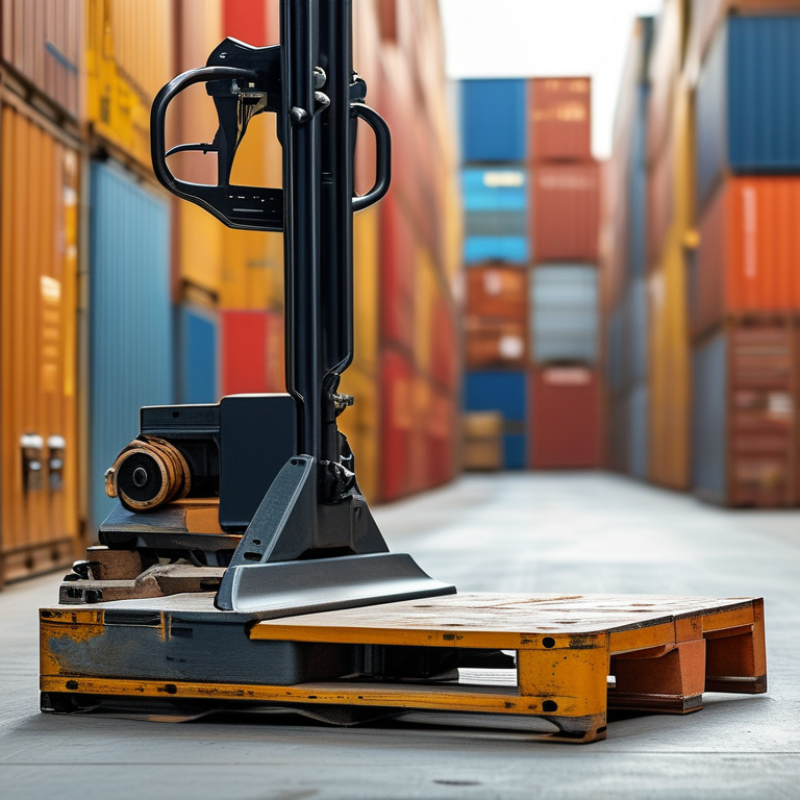
Understanding Heavy Duty Slip Sheets: Definition and Purpose
Heavy duty slip sheets are essential tools in modern logistics. These thin sheets replace traditional pallets, offering several advantages. They reduce weight and volume in shipments. According to recent industry reports, using slip sheets can cut shipping costs by up to 50%. This can lead to significant savings for businesses focused on efficiency.
Understanding the definition of slip sheets is crucial. They are made from durable materials like cardboard or plastic, specifically designed to support heavy loads. This design allows for easy handling by forklifts using specialized attachments. Slip sheets help in maximizing cargo space during transport, which is increasingly important in a market where shipping efficiency is key.
Tip: When considering slip sheets, check the product specifications. Ensuring they meet your weight requirements is important for safety and efficiency.
It's important to note that not all businesses realize the potential of slip sheets. Some still rely on traditional pallets due to habit or lack of knowledge. Transitioning to slip sheets may require a learning curve. Evaluating the benefits against current methods is essential for the best decision.
Key Materials Used in Heavy Duty Slip Sheets: A Comprehensive Overview
Heavy duty slip sheets are essential for efficient material handling and storage. Made from various key materials, they offer strength and durability. Common materials include cardboard, plastic, and paper-based composites. Each type has unique properties that cater to different needs in logistics and supply chain management.
Cardboard slip sheets are lightweight yet strong. They are easy to recycle, making them an eco-friendly option. However, they may lack moisture resistance. In contrast, plastic sheets provide greater durability and are resistant to water. This makes them ideal for outdoor storage. The downside is that they are less environmentally friendly.
Research indicates that paper-based composites offer a balance of both worlds. They combine strength with some level of moisture resistance. However, their production process can be energy-intensive. Choosing the right material involves weighing the benefits and drawbacks. Each option presents potential for improvements. Understanding the nuances of these materials can significantly influence operational efficiency.
Benefits of Using Heavy Duty Slip Sheets in Global Supply Chains
Heavy-duty slip sheets have gained traction in global supply chains. They offer significant advantages in cost-efficiency and space utilization. A recent industry report highlighted that using slip sheets can reduce packaging costs by up to 30%. This reduction stems from their lightweight nature and flexibility compared to traditional pallets.
The environmental benefits are noteworthy as well. Implementing slip sheets can lead to a decrease in material usage by over 50%. With global supply chains focusing on sustainability, this change aligns with many organizations' eco-friendly goals. However, some companies may face challenges when transitioning from pallets to slip sheets. Training staff and adapting machinery require careful planning and execution.
In terms of efficiency, slip sheets enable higher stacking. This allows more products to fit in a single shipment. A study indicated that using slip sheets could increase container utilization by 20%. Nonetheless, these advantages come with caveats. Companies must consider their operational capabilities and supply chain dynamics. Each business must determine whether these slip sheets truly enhance their logistics strategy.
Benefits of Using Heavy Duty Slip Sheets in Global Supply Chains
Factors to Consider When Sourcing Heavy Duty Slip Sheets for Your Business
When sourcing heavy duty slip sheets, consider material quality first. High-density polyethylene (HDPE) or similar materials are preferred for their durability. These materials withstand various shipping conditions. They resist moisture and damage effectively. A slip sheet’s strength is crucial for heavy loads.
Evaluate dimensions carefully. Different industries and products require various sizes. Measure your load specifications to ensure a perfect fit. Improper sizing can lead to inefficiencies and increased costs. Consider sourcing from suppliers who offer customization options.
Think about the environmental impact as well. Sustainable slip sheets made from recyclable materials may help reduce your carbon footprint. Partnering with eco-friendly suppliers adds to your brand’s reputation. However, ensure they meet your quality standards. Balancing sustainability and functionality is essential. Assessing these factors can enhance your sourcing strategy significantly.
Future Trends in Heavy Duty Slip Sheet Manufacturing and Usage (2026 and Beyond)
As we look towards 2026, the heavy-duty slip sheet industry is set for significant transformation. Innovations in manufacturing processes will improve efficiency. The shift towards sustainable materials is becoming more prominent. Using biodegradable plastics and recycled materials for slip sheets is gaining traction. This trend not only meets environmental standards but also appeals to eco-conscious consumers.
Furthermore, the applications of heavy-duty slip sheets are evolving. Industries beyond logistics are exploring their potential. For instance, the automotive and pharmaceutical sectors are experimenting with slip sheets for better product handling. However, challenges remain. Many companies grapple with the transition from traditional pallets to slip sheets. Training staff and adapting equipment needs careful planning.
Those obstacles may hinder rapid adoption, necessitating ongoing analysis.
Collaboration among manufacturers, suppliers, and users is essential. A unified approach can drive innovations in design and usage. As companies seek to optimize their supply chains, slip sheets will play a crucial role. The future may be bright for this industry, but a cautious and reflective approach will lead to sustained growth.