How to Choose Waterproof Twist Connectors for Your Projects?
In the field of electrical connections, choosing the right materials is crucial. Waterproof Twist Connectors are highly sought after for their reliability in outdoor and high-moisture environments. According to a recent industry report by MarketsandMarkets, the global market for waterproof connectors is projected to reach $5 billion by 2025, driven by increased demand in various sectors, including automotive and telecommunications.
These connectors provide robust sealing against moisture and dust, ensuring consistent performance. However, not all waterproof twist connectors are created equal. It's essential to assess their resistivity to environmental factors such as temperature and humidity. A study from IEEE highlighted that 30% of electrical failures are attributed to inadequate sealing, making the choice of connectors particularly significant.
Selecting the right waterproof twist connectors can be challenging. Factors like material quality and installation techniques play a vital role. Reflection on past projects can unveil patterns; many users reported issues with sealing failure due to improper usage. Investing time in research and understanding these connectors will deliver long-term benefits and greater reliability in your projects.
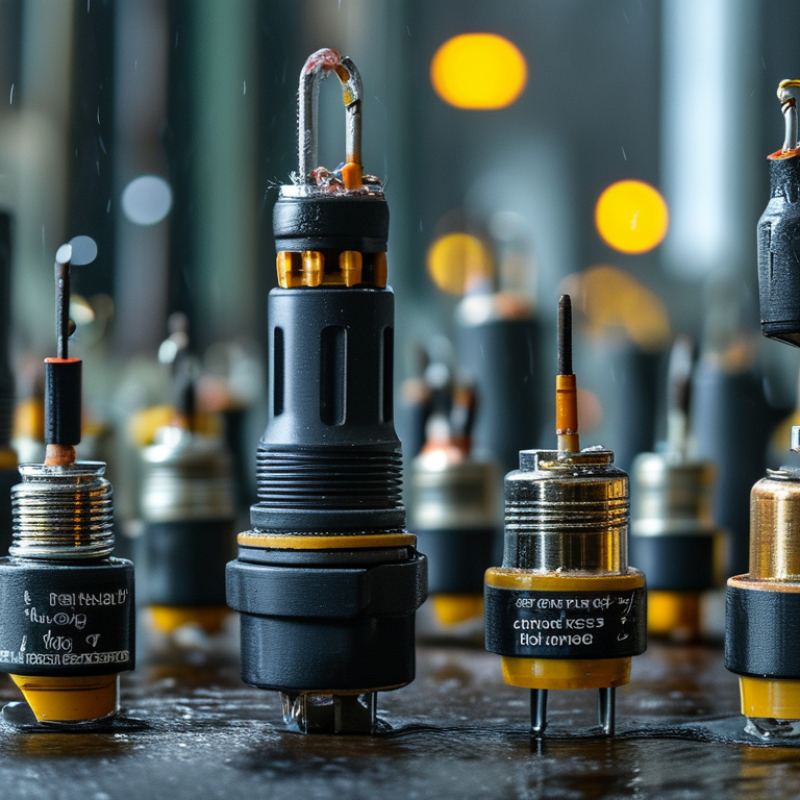
Understanding the Importance of Waterproof Twist Connectors in Projects
Waterproof twist connectors are essential in various projects. They safeguard electrical connections from moisture, dirt, and other elements. This protection greatly reduces the risk of short circuits, making them vital for outdoor installations. When installed correctly, these connectors help maintain the integrity of wiring systems in challenging environments.
Understanding the importance of waterproof twist connectors cannot be overstated. Poorly connected wires can lead to failures. For instance, a small amount of moisture can cause significant damage over time. Proper selection and installation of these connectors can enhance project reliability. It’s crucial to choose connectors that meet specific project requirements. Consider factors such as the environment and the application of the connectors.
People often overlook small details like compatibility. Ensuring the twist connectors fit seamlessly with wiring isn’t always straightforward. Many individuals make mistakes due to a lack of research. This aspect requires careful thought and planning. Engaging with professionals can provide insights that help avoid common pitfalls. Embracing best practices will pay off in the long run.
How to Choose Waterproof Twist Connectors for Your Projects?
| Dimension | Material | Waterproof Rating | Temperature Range | Installation Type |
| 22-18 AWG | Polycarbonate | IP68 | -40°C to 105°C | Twist-On |
| 16-14 AWG | Nylon | IP67 | -20°C to 85°C | Screw-On |
| 10-12 AWG | PVC | IP66 | -30°C to 80°C | Crimp-On |
| 18-16 AWG | Polypropylene | IP65 | -10°C to 90°C | Push-On |
Key Features to Look for in Waterproof Twist Connectors
When selecting waterproof twist connectors, it's essential to consider several key features. Begin with the material. Look for connectors made from corrosion-resistant substances. These should withstand harsh environments. A robust outer shell is crucial. It should provide both durability and protection against water intrusion.
Next, examine the sealing method. Quality connectors often include rubber gaskets or O-rings. These components play a vital role in maintaining waterproof integrity. Additionally, check the connector's rating. An IP68 rating is generally a good indicator of superior waterproof performance.
Don't overlook installation ease. Some connectors are easier to twist and secure than others. Inadequate designs can lead to frustration during installation. Balancing ease of use with the need for secure connections is vital. Always stay wary of overly complex models; they can complicate your project.
Ultimately, prioritizing these features enhances your project's reliability and longevity. However, aim for a balance between quality and cost. Sometimes, cheaper options compromise critical features. Trust your instincts, and remember that a little research can lead to better decisions.
Types of Waterproof Twist Connectors and Their Applications
Waterproof twist connectors are essential in various industries. They prevent moisture from entering electrical connections, which can lead to short circuits or equipment failure. According to a report from the National Electrical Manufacturers Association, nearly 30% of electrical failures are due to moisture. Thus, selecting the right connector is crucial for project success.
There are several types of waterproof twist connectors available. The basic design includes a plastic housing that twists and seals against water ingress. They are commonly used in outdoor lighting, automotive applications, and industrial machinery. For instance, marine twist connectors offer additional corrosion resistance, making them ideal for boats and coastal applications. An industry study highlighted that connectors designed for underwater use can last up to 50% longer than standard connectors.
However, not all waterproof connectors are created equal. Some may fail under extreme temperatures. This is an important consideration when choosing connectors for specific environments. It's essential to evaluate manufacturer specifications. Testing connectors in real-world scenarios can provide valuable insights into their reliability and performance, ensuring they meet project requirements.
Factors to Consider When Selecting Waterproof Twist Connectors
When selecting waterproof twist connectors, several key factors require attention. The first is the environmental conditions where the connectors will be used. Consider exposure to moisture, dust, or chemicals. Connectors designed for outdoor use should be more resilient. You might find that some connectors work well in heavy rain but fail under high humidity. Testing in your specific conditions can provide insights into performance.
Another important aspect is the wire gauge compatibility. Ensure that the connector matches your wire size. A mismatch can lead to poor connections and even failure. Look for connectors that specify their range of compatible wire gauges. In some cases, your choice may not fit perfectly, leading to unreliable connections. Evaluating various connectors and how they fit your wires is essential.
Additionally, examine the ease of installation. Not all connectors are intuitive. Some may require special tools, while others can be easily assembled by hand. Determine your skill level and resources before choosing. A complex installation can be frustrating and time-consuming. In practice, your choice may not always yield the desired results. Reflection on previous projects can guide you in selecting the right connectors for future endeavors.
Tips for Proper Installation and Maintenance of Twist Connectors
When it comes to installing waterproof twist connectors, proper installation is crucial for ensuring longevity and reliability. According to a report by the International Electrical Testing Association, improper connections can lead to increased failure rates, potentially as high as 25%. Thus, attention to detail in this area is essential.
Before installation, inspect each connector for visible damage. A small crack can compromise its waterproofing capability. Ensure that all wires are properly stripped before connection. This maximizes contact and reduces the risk of corrosion over time.
Tips for long-term maintenance include regularly inspecting connectors for signs of wear or corrosion. In environments exposed to moisture, consider applying an additional waterproof sealant as a precautionary measure. Remember, a slight oversight in your initial setup can result in costly repairs later. Conduct periodic electrical testing to ensure that all connections function as intended. Keeping a maintenance log can also help track any changes or needs for replacement.
Waterproof Twist Connectors: Installation and Maintenance Tips
This chart represents the percentage of various factors influencing the choice of waterproof twist connectors based on user experiences. These factors include Installation Ease, Durability, Cost, and Maintenance Efforts.