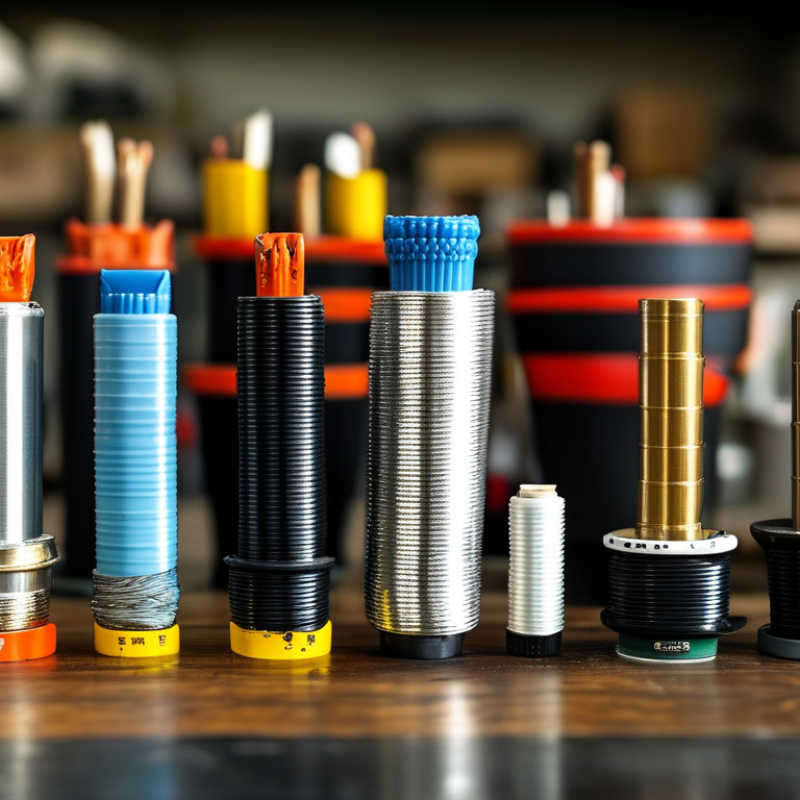
How to Choose the Right Wire Harness Sleeve for Your Needs?
Choosing the right Wire Harness Sleeve is crucial for protecting your cables. With various types available, understanding each option is essential. A suitable sleeve enhances durability and performance while preventing damage.
When selecting a Wire Harness Sleeve, consider factors like material and size. Different applications may require heat resistance or flexibility. Evaluating your specific needs will help you make an informed decision.
However, many overlook the importance of quality. A low-quality sleeve might save money initially but can lead to costly replacements. Embrace the learning process and reflect on past mistakes to choose wisely.
Understanding Wire Harness Sleeves: Types and Applications
Wire harness sleeves play a critical role in protecting electrical components. Different types of sleeves provide unique benefits. These can include heat resistance, abrasion protection, and water resistance. Selecting the right type is essential for longevity and reliability. For example, nylon sleeves are commonly used because they are cost-effective and durable. However, they may not suit all environments.
Some sleeves are designed for specific applications, like automotive or industrial machinery. In harsh conditions, a sleeve with high-temperature resistance is necessary. These materials can withstand extreme heat without degrading. It's vital to consider the environment where the wire harness will operate.
Selecting a wire harness sleeve may seem straightforward, but nuances exist. Assessing factors such as flexibility, weight, and ease of installation is crucial. Often, users overlook these details, leading to future issues. While it’s easy to choose based on cost alone, longer-term durability can save you money. Balancing cost and performance remains an ongoing challenge.
Factors to Consider When Selecting Wire Harness Sleeves
Choosing the right wire harness sleeve is crucial for any electrical application. The sleeve acts as a protective layer for wires, influencing their performance and longevity. One key factor to consider is material. Options like nylon, polyethylene, and PVC offer various levels of resistance to temperature, abrasion, and chemicals. Reports show that materials like nylon can withstand temperatures up to 105°C, making them suitable for high-heat environments. Conversely, PVC may be more cost-effective but offers less thermal protection.
Another important aspect is the diameter and flexibility of the sleeve. Adequate sizing ensures a snug fit without excess bulk. A sleeve that’s too tight can cause damage, while one that’s too loose may fail to protect effectively. The right flexibility allows for easy installation around complex shapes without compromising the protection level. According to industry data, around 30% of failures in wire harnesses stem from inadequate sleeving.
Environmental factors should not be overlooked. UV resistance is vital for outdoor applications, while moisture resistance is critical in damp settings. Inconsistent environmental conditions may require regular evaluations of sleeve integrity. Without proper attention to these factors, users risk wire exposure over time, potentially leading to electrical failures. Balancing these considerations can significantly enhance the performance and durability of wire harness systems.
Material Options for Wire Harness Sleeves: Pros and Cons
When selecting a wire harness sleeve, the material you choose plays a crucial role in performance and longevity. Common materials include PVC, nylon, and braided options. PVC is cost-effective and provides decent protection against abrasion. However, it can degrade under extreme temperatures. Nylon sleeves are tougher and resist chemicals better. They are great for more demanding applications but can be pricier.
Braided sleeves offer excellent flexibility and aesthetic appeal. They provide substantial protection against wear and tear. Yet, they can be harder to install and may fray over time. Each material has its merits and drawbacks. Understanding the specific environmental factors and requirements is vital.
Consider factors like temperature, exposure to chemicals, and physical abrasion when making your choice. The right sleeve enhances durability. The wrong choice might lead to costly repairs or replacements. Aim for a balance between cost and performance.
Sizing and Fit: How to Measure for Wire Harness Sleeves
Measuring for wire harness sleeves requires accuracy and attention to detail. Many professionals underestimate the importance of proper sizing. According to a report from the Electrical & Electronics Association, improper sizing can lead to damage rates exceeding 30% in electronic systems. This highlights the need for precise measurements.
Start by measuring the diameter of your wires. If wires are too tightly wrapped, it can lead to insulation wear. Use calipers for accuracy. A common mistake is not factoring in the thickness of the sleeve itself. Ensure there's enough space for movement. This prevents potential damage from friction, extending the lifespan of your wires.
Next, consider the environment where the harness will operate. High temperatures or exposure to chemicals might require specific materials. The right sleeve material can withstand environmental stressors. Selecting a sleeve with the right thermal and chemical resistance will enhance durability. Remember, the right fit isn't just about size; it's about adapting to various operational demands. If you’re unsure, consulting with industry professionals can provide insights. Their experience often reveals nuances in selection that aren't immediately evident.
Installation Tips for Wire Harness Sleeves: Best Practices
Choosing the right sleeve for your wire harness is crucial. Proper installation ensures durability and reliability. Utilize heat-shrinkable materials to protect against moisture. This adds a layer of safety, especially in harsh environments.
Tips for installation include pre-cutting sleeves before application. This saves time and reduces mistakes. Measure precisely to fit your wires snugly, avoiding excess material. Use cable ties to secure the sleeves at both ends. This prevents movement that could cause wear and tear.
Another essential tip is to check for compatibility. Make sure the sleeve material aligns with the wire's functions and surroundings. Some materials may not withstand high temperatures. Always refer to guidelines when selecting materials. Proper installation lessens long-term maintenance issues. Look for any signs of wear after installation. Regular checks can help catch problems early.
Wire Harness Sleeve Usage by Type