How to Choose the Best Skin Analyzer for Your Needs?
In the evolving world of skincare, choosing the right Skin Analyzer can be overwhelming. Industry expert Dr. Emily Zhang states, "A quality skin analyzer can transform the way you understand your skin." Her insights emphasize the importance of selecting a device that truly meets individual needs.
Different Skin Analyzers offer varying features. Some focus on hydration levels, while others examine pigmentation or fine lines. It is essential to prioritize what aspects of your skin are most concerning. For instance, if you struggle with acne, choose a device tailored for oil analysis.
Yet, not all devices are created equal. Some may promise fast results but lack accuracy. Investing in a reliable, well-reviewed product is crucial. The right Skin Analyzer empowers users with knowledge, but discernment is needed. Be cautious of flashy marketing; true efficacy lies in detailed assessments. Consider user reviews and scientific backing as part of your choice.
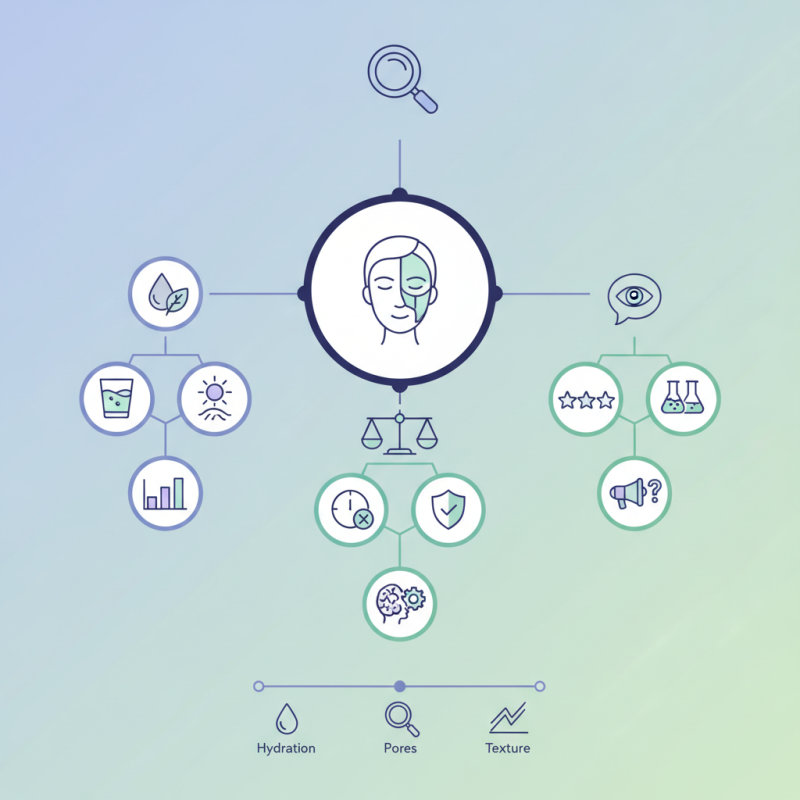
Understanding Different Types of Skin Analyzers and Their Functions
When choosing a skin analyzer, understanding the types is essential. Common types include handheld devices and advanced imaging systems. Handheld analyzers are portable, making them ideal for quick assessments. They often measure hydration and oil levels, targeting basic skin needs. However, their simplicity might overlook deeper skin issues.
Advanced imaging systems provide in-depth analysis. They use technologies like UV light to reveal underlying conditions. These systems offer detailed reports on pigmentation and wrinkles. They help professionals create tailored skincare regimens. Nonetheless, they can be costly and require expertise to interpret results.
Your choice should align with your specific needs. For quick checks, a handheld device suffices. If you're serious about skin health, an advanced system could be wise. Some users might find the complexity overwhelming. The learning curve can be steep, making it vital to engage with knowledgeable professionals.
Key Features to Consider When Selecting a Skin Analyzer
When selecting a skin analyzer, consider the features that matter most. One key aspect to evaluate is accuracy. The analyzer should provide reliable readings. Look for devices that use advanced technology to measure skin conditions accurately. This ensures that your assessments will lead to effective treatments.
Another important feature is user-friendliness. A clear interface and easy navigation make the analyzer accessible. You want a device that provides a straightforward experience. Additionally, portability can be crucial, especially if you travel often or conduct assessments in various locations. Compact and lightweight models usually offer convenience.
Lastly, ensure that the analyzer has a robust data storage system. It should be able to save past readings for future reference. This helps in tracking progress and making informed decisions. While newer models may showcase impressive features, older versions can still offer valuable insights. Reflecting on your specific needs will guide you in making the best choice.
Evaluating the Accuracy and Reliability of Skin Analysis Technology
Choosing the right skin analyzer involves more than just picking a device. It requires evaluating its accuracy and reliability. The technology behind these tools can vary significantly. A reliable skin analyzer should provide consistent results over time, allowing for effective tracking of skin condition changes.
Tips: Look for devices that offer detailed skin assessments, such as hydration levels, oiliness, and pigmentation. Ensure the analyzer features scientific backing or clinical studies supporting its claims. Reading user reviews can also help assess accuracy.
Remember, even the best machines have limitations. No device can replace professional dermatological advice. Skin analysis technology cannot cover the entire complexity of skin health. Results may sometimes differ based on environmental factors or skin types. It’s essential to use the feedback from the device wisely. Adjust your skincare regimen while consulting with a skincare professional for optimal results.
How to Choose the Best Skin Analyzer for Your Needs?
| Feature | Importance | Accuracy (%) | User Reviews (Out of 5) | Price ($) |
| Skin Type Analysis | Very Important | 95 | 4.8 | 150 |
| Moisture Level Measurement | Important | 90 | 4.5 | 120 |
| Sun Damage Detection | Very Important | 88 | 4.7 | 200 |
| Pore Size Evaluation | Moderately Important | 85 | 4.3 | 130 |
| Pigmentation Analysis | Important | 87 | 4.6 | 175 |
Budget Considerations: Balancing Cost with Quality in Skin Analyzers
Choosing the right skin analyzer can be tricky, especially when balancing cost and quality. Many affordable options claim high accuracy. However, these devices often compromise on features, which can lead to misleading results. You need to assess your priorities carefully.
A budget-friendly analyzer may meet basic needs, but consider what you truly require. Some devices provide detailed hydration levels, while others focus on pigment analysis. It’s essential to understand what features are essential for your skincare routine. Investing a little more could enhance your analysis accuracy and long-term results.
A skin analyzer is a tool, not a magic wand. Sometimes, lower-quality options may frustrate users with inconsistent readings. Reflect on this when making a choice. Look for devices with clear user reviews. These insights can help you see beyond the price tag. Balancing cost with quality involves more than just numbers; it requires a need for reliability and depth in analysis.
Reviewing Customer Feedback and Industry Ratings for Optimal Choices
Choosing the right skin analyzer can be overwhelming. Customer feedback and industry ratings serve as valuable resources. They reveal where products excel and where they fall short. Many customers emphasize the importance of ease of use. Users appreciate an intuitive interface that simplifies their experience. Feedback often points out that clarity in design enhances functionality.
When assessing reviews, look for consistency. Multiple reviews highlighting a feature usually indicate reliability. Customer insights about accuracy can help you gauge performance. Ratings often reflect the analyzer’s effectiveness in various skin types. Positive reviews can indicate a well-rounded product that meets diverse needs.
Tip: Prioritize models with strong customer support. A responsive team can make a difference in your experience. This assurance complements product quality, enhancing your investment. Also, consider products backed by dermatologists. Their expertise lends credibility to the effectiveness of the device.
Be mindful that not all high-rated products fit everyone. Personal preferences vary widely. Take time to reflect on what features matter most to you. Making a decision grounded in thorough research will guide you toward a suitable choice.
How to Choose the Best Skin Analyzer for Your Needs?
This bar chart represents customer ratings across various criteria for skin analyzers. It highlights the importance of features such as accuracy, ease of use, portability, additional features, and price when selecting the best skin analyzer for individual needs.