How to Choose the Best Pensioner Scooter?
Choosing the right Pensioner Scooter is not simply a matter of picking the fastest model or the lowest price. It is a practical decision involving balance, comfort, confidence, and daily routines. A suitable scooter should match the user’s walking ability, hand strength, eyesight, and typical travel distance. It should also fit through the home doorway and leave enough space for safe turning.
Scott Meuser, chairman and CEO of Pride Mobility Products, has often stressed the importance of matching mobility equipment to the user’s lifestyle rather than choosing by appearance alone. His practical advice can be expressed clearly: “The best mobility product is the one that fits the person’s real needs.” That principle deserves attention. A glossy scooter may look impressive outside a showroom, yet feel awkward on a narrow pavement. A lightweight model may be easy to transport, but its smaller battery could limit longer trips.
Look beyond the seat.
Check the controls carefully. Can the user release the throttle smoothly? Are the brakes easy to understand? Is the seat supportive after thirty minutes, not merely comfortable for five? These details reveal whether a Pensioner Scooter is genuinely suitable.
Storage, charging time, tyre type, suspension, and after-sales support also matter. A model used near shops may need different features from one used on uneven rural paths. Family members should observe a test ride, but the pensioner’s opinion must remain central. Sometimes, buyers focus too much on technical specifications and forget everyday confidence. That is an easy mistake to make. The best choice may not be perfect, but it should feel safe, manageable, and dependable in real life.
Understanding Pensioner Scooter Types and Their Intended Uses
Choosing the best pensioner scooter starts with its intended use, not its appearance. The World Health Organization’s Global Report on Assistive Technology (2022) estimates that 2.5 billion people need at least one assistive product. That need may exceed 3.5 billion by 2050. A scooter should support daily independence, but only when its design matches real surroundings.
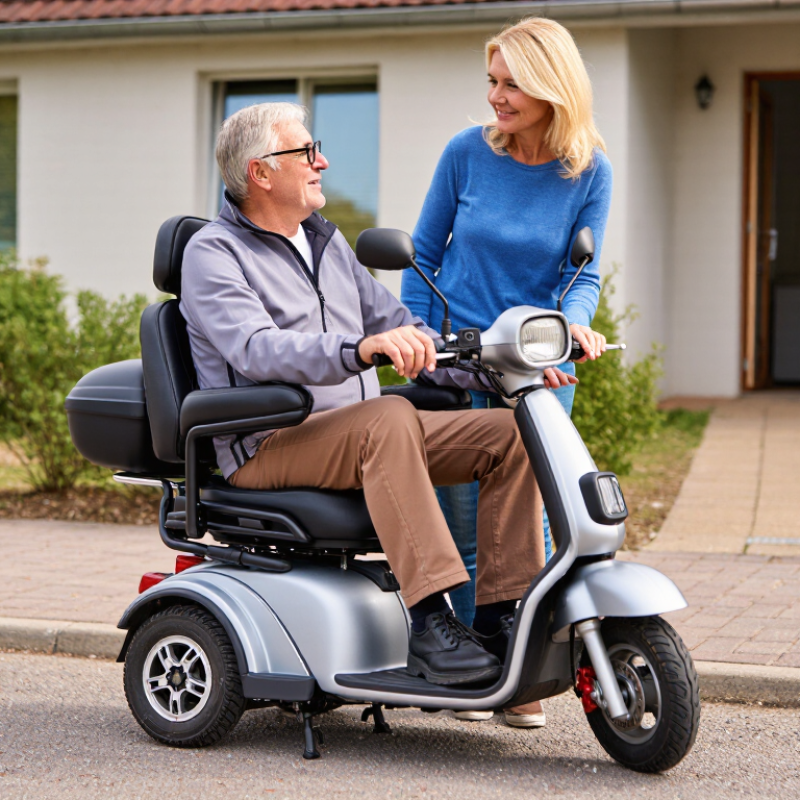
Travel scooters suit short trips, car storage, and smooth pavements. Their lighter frames help with lifting, although they may feel less steady outdoors. Three-wheel models turn sharply in narrow hallways and shops. Four-wheel models usually offer greater stability on uneven paths. Heavy-duty scooters provide stronger suspension, larger seats, and better ground clearance for longer outdoor journeys. They can be difficult to transport. More power is not always more practical.
Tips: Measure doorways and lift entrances first. Check turning radius, seat height, battery range, and maximum user weight. Leave a safety margin for hills and cold weather. The U.S. National Highway Traffic Safety Administration advises older road users to consider visibility, control, and surrounding traffic when using mobility devices. A real test matters more than a brochure. Try stopping, reversing, and reaching the controls while seated. I sometimes overvalue long range; a smaller scooter may be better if storage is limited. Ask a qualified occupational therapist or mobility assessor to review posture and transfer safety before purchase.

How to Choose the Best Pensioner Scooter?
Understanding pensioner scooter types and their intended uses
The figures are representative typical maximum ranges based on commonly published specifications for each scooter category. Actual range varies with rider weight, terrain, temperature, battery condition and speed.
Assessing Comfort, Stability, and Ease of Handling
Choosing the best pensioner scooter starts with comfort, but comfort means more than a padded seat. Sit on the scooter for several minutes. Check whether your hips stay level and your knees bend naturally. The handlebars should feel close, not stretched away. A firm, supportive seat may suit longer journeys better than a very soft cushion.
Stability deserves careful attention. Look for a wide base, balanced weight, and steady movement when turning slowly. Test it on a gentle slope, if the seller permits this safely. Watch how the scooter responds when one wheel meets a small change in ground level. A compact model can feel convenient indoors, yet it may feel less settled outdoors. This is easy to underestimate.
Handling should feel predictable, especially when reversing or stopping near furniture. Controls need clear markings and enough space for comfortable finger movement. Try them while wearing the gloves or glasses you normally use. I once assumed a light scooter would be easier to manage, but its quick steering required more concentration than expected. That experience changed my view: lighter is not automatically simpler. Ask about turning space, braking response, battery range, and servicing arrangements. Read the operating instructions before deciding. A short test ride cannot reveal everything. Pay attention to small discomforts, because they often become larger after regular use.
Checking Safety Features, Battery Life, and Travel Range
Choosing a pensioner scooter starts with safety, not styling. The U.S. Consumer Product Safety Commission recorded about 19,600 emergency-department-treated injuries involving powered mobility devices from 2017 to 2021. That figure deserves attention. Look for electromagnetic braking, anti-tip wheels, bright front and rear lights, reflectors, a horn, and a simple speed-control switch. A stable seat and adjustable armrests can reduce fatigue on longer rides. Test the brake on a gentle slope, if possible. A showroom floor is not a real pavement.
Battery life also needs careful checking. Ask for the battery voltage, amp-hour rating, charging time, and replacement cost. ISO 7176-4 measures theoretical travel distance under controlled conditions, so the advertised range is not a promise. A heavier rider, cold weather, hills, soft tyres, and frequent stops can reduce usable distance. My practical rule is to treat the stated range as an upper estimate, then plan shorter trips.
Travel range should match familiar routines. Measure the route to the pharmacy, shop, or bus stop, including hills and uneven paths. Leave a useful reserve instead of arriving with a flashing battery warning. Sealed lead-acid batteries may cost less, while lithium batteries often weigh less, but charging requirements differ. Ask a qualified mobility adviser to inspect the charger and battery compartment. Do not rely on a single sales figure; record actual distance during the first week, because real life is usually less generous.
Choosing the Right Size, Weight Capacity, and Storage Options
Choosing a pensioner scooter begins with the rider, not the colour or advertised range. Measure the user’s seated hip width, knee clearance, and doorway widths at home. A seat that feels roomy in a showroom may become awkward beside a kitchen table. Leave two fingers of space around each hip, but avoid excessive width. Too much room can reduce side support. Fit matters.
Check the scooter’s maximum weight capacity against the rider, clothing, shopping, and any walking aid carried onboard. Add a safety margin rather than matching the limit exactly. A 100-kilogram rider with 10 kilograms of bags should not select a 110-kilogram capacity. Real use is rarely tidy. Review the manual for capacity changes on slopes or uneven ground. Published figures may describe ideal conditions. A qualified mobility specialist can assess posture, transfers, and control reach. This step is easy to skip when budgets are tight.
Storage needs equal attention. Measure folded or separated sections, then compare them with the car boot, lift, and charging area. Larger scooters may need a ramp or hoist. Smaller models may fit, but sacrifice seat support or travel stability. Check the heaviest removable part, not only the total weight. Can you lift it without twisting your back? I once overlooked this detail during a home check, and the scooter stayed unused for weeks. Leave ventilation around the charger, and keep cables away from walking paths.
Comparing Prices, Maintenance Needs, and User Support
How to Choose the Best Pensioner Scooter?
Price is only the starting point when comparing a pensioner scooter. A low purchase price may hide expensive batteries, specialist tyres, or limited warranty coverage. Ask for the full ownership cost, including charging equipment, replacement parts, servicing, and delivery. A qualified mobility adviser can explain whether a compact indoor model or a stronger outdoor scooter suits your routine. Consider real details: door width, pavement slopes, storage space, and the weight of removable batteries.
Maintenance should be simple and predictable. Check how easily you can inspect tyre pressure, charge the battery, and adjust the seat. Ask how often professional servicing is recommended. Advertised battery range can be optimistic, especially on hills, cold days, or rough paths. I would not rely on brochure figures alone. A short supervised test ride is more useful. Test it indoors. Support matters. Confirm telephone hours, repair response times, warranty exclusions, and local technician availability. Some sellers offer excellent explanations before purchase but slower help later. That difference can affect confidence and daily independence.
Tips: Compare at least three written quotations, not just headline prices. Sit on the scooter for ten minutes and practise turning, braking, and reversing. Ask whether a familiar person can receive maintenance training. Keep invoices and battery records. If controls feel confusing, do not dismiss that concern. A scooter should reduce effort, not create new anxiety.
How to Choose the Best Pensioner Scooter? - Comparing Prices, Maintenance Needs, and User Support
| Scooter Type | Typical New Price (USD) | Recommended User Profile | Typical Travel Range per Charge | Routine Maintenance Needs | Common Replacement Costs | User Support to Look For | Main Advantages and Limitations |
|---|---|---|---|---|---|---|---|
| Compact 3-Wheel Scooter | $900–$1,800 | Indoor use, shopping trips, and short journeys on smooth pavements. Best for users who value a tight turning circle. | 8–15 miles | Charge after use, inspect tyres and brakes regularly, and check battery connections. Solid tyres generally need less attention than pneumatic tyres. | Lead-acid battery set: approximately $250–$500; tyres: $30–$80 each. | Clear operating manual, telephone assistance, local repair access, and help with battery charging. | Easy to transport and manoeuvre, but less stable on uneven ground and usually has limited range and storage capacity. |
| Mid-Size 4-Wheel Scooter | $1,800–$3,500 | Regular outdoor use, paved paths, local errands, and users who prefer increased stability. | 15–25 miles | Battery charging, tyre-pressure checks where applicable, brake inspection, cleaning, and an annual safety check are usually appropriate. | Lead-acid battery set: approximately $350–$700; tyres: $40–$100 each; charger: $100–$250. | At-home assessment, spare-parts availability, technician training, and warranty repairs handled without complex shipping. | A practical balance of comfort, stability, range, and storage, although it is heavier and less portable than a compact model. |
| Long-Range 4-Wheel Scooter | $3,000–$6,000 | Frequent outdoor travel, longer trips, users needing enhanced suspension, seating comfort, or higher weight capacity. | 25–40 miles | Regular charging, tyre and brake inspections, suspension checks, battery testing, and a professional service at least once a year. | Battery set: approximately $500–$1,200; tyres: $60–$150 each; suspension or brake components vary by design. | Scheduled servicing, mobile repairs, replacement-parts stock, transparent warranty terms, and assistance with transport or collection. | Offers the best comfort and range, but has a higher purchase price, greater weight, and more expensive transportation and repairs. |
| Travel or Folding Scooter | $1,200–$3,000 | Users who need car transport, occasional trips, or a scooter that can be stored in a smaller home. | 6–15 miles | Check folding joints, locking mechanisms, tyres, battery connections, and charger condition. Avoid carrying more than the rated load. | Battery set: approximately $250–$700; portable charger: $100–$250; tyres: $30–$80 each. | Demonstration of folding and unfolding, battery-handling guidance, telephone support, and easy access to small replacement parts. | Convenient for transport and storage, but usually has a shorter range, smaller seat, lower ground clearance, and less suspension. |
| Heavy-Duty Outdoor Scooter | $4,000–$8,000+ | Users requiring a higher maximum user weight, stronger suspension, increased ground clearance, or frequent outdoor use. | 25–45 miles | Frequent tyre, brake, steering, suspension, and battery checks. Professional servicing is especially important because of the scooter's size and load. | Battery set: approximately $600–$1,500; tyres: $70–$180 each; charger: $150–$350. | Fast access to qualified technicians, scheduled servicing, strong parts availability, emergency repair options, and clear load-rating guidance. | Most capable on varied outdoor surfaces, but costly, heavy, difficult to transport, and potentially unsuitable for narrow indoor spaces. |