How to Choose the Right Storage Racking System for Your Needs?
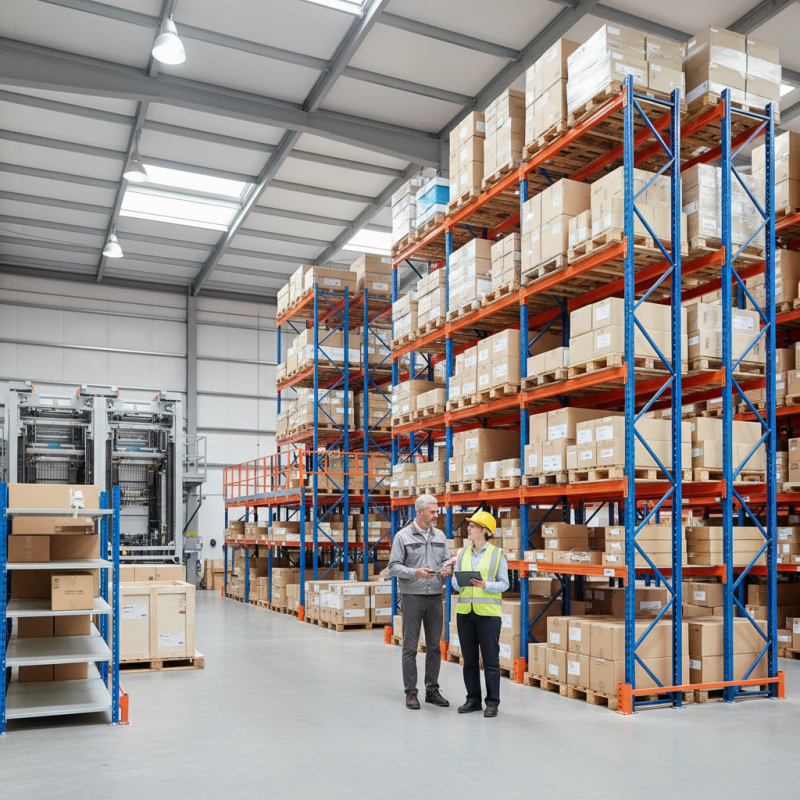
Choosing the right storage racking system can be a daunting task. Expert Mark Hastings, a seasoned professional in the storage industry, emphasizes, "A well-chosen racking system can boost efficiency and maximize space." This affirmation highlights the importance of making informed decisions.
The selection process involves various factors. Business size, product dimensions, and weight play crucial roles. It is essential to assess not only current needs but also future growth. Observing others who have chosen poorly can serve as a lesson learned. A system that is too small or too complex can hinder progress.
Every warehouse is unique. Not all systems fit every application. Some choices may seem appealing but lead to frustrations. Additionally, budget constraints can limit options. Therefore, reflecting on these considerations is vital. A thoughtful approach can lead to an effective storage racking system.
Understanding Your Storage Requirements and Space Constraints
When selecting a storage racking system, understanding your storage requirements is crucial. Assess your inventory types. Are they bulky, fragile, or small components? This can significantly affect the type of racking you choose. According to a report by Smithers Pira, nearly 50% of warehouse inefficiency stems from inadequate storage solutions. Evaluating your inventory's nature will help reduce this inefficiency.
Next, consider your available space. Is your warehouse vertical or horizontal? High ceilings can benefit from tall racking systems. A recent industry study found that optimizing vertical space can increase storage capacity by up to 30%. However, cramming too much into a small area can restrict access and slow down operations. It’s essential to balance space constraints with the need for easy access.
Think about storage density versus accessibility. A high-density storage solution might seem ideal, but if it obstructs workflow, it can lead to frustration. Storage systems like selective pallet racking are versatile, yet they may not maximize vertical space. Reflect on your operational needs to determine what works. Remember, no system is perfect. Regular evaluations and adjustments are necessary to enhance efficiency.
Exploring Different Types of Storage Racking Systems
When exploring different types of storage racking systems, several options stand out for their unique advantages.
Selective racking is popular for its flexibility. It allows direct access to all pallets, making it ideal for warehouses with diverse inventory.
According to industry reports, selective racking can maximize storage density by over 30% in comparison to traditional shelving.
Drive-in racking is another option, designed for
high-density storage. It's suitable for bulk items, reducing aisle space and increasing storage capacity. However, it presents challenges in inventory management due to its "last in, first out" (LIFO) nature. A report by the Warehouse Equipment Manufacturers Association states that the drive-in system can improve space utilization by up to
40%, but it can complicate stock rotation.
Another noteworthy type is
pallet flow racking. This system uses gravity to move pallets, making it efficient for high-turnover items. While it maximizes space and efficiency, its complexity can lead to maintenance issues. Keeping it operational requires regular inspections, as downtime can affect warehouse productivity. Balancing space utilization and operational efficiency is crucial when choosing the right system. Each type has merits and challenges that should be carefully considered.
Evaluating the Load Capacity and Durability of Racking Options
Choosing the right storage racking system hinges on evaluating load capacity and durability. Load capacity refers to how much weight each shelf or rack can support. It varies significantly among different racking options. Overloading can lead to material failure and accidents. Assessing your inventory's weight is vital. Don't underestimate this factor.
Durability is another critical aspect. It depends on the materials used and construction quality. Metal racks often provide higher durability than wooden ones. However, wood can offer a warm aesthetic. Examine the environment too. Humid settings can affect wood more than metal. Think about long-term wear and tear. Costly replacements may arise if you choose poorly. Consider adjustments as inventory changes. What works today may not suit future needs. Reflect on your choices regularly. Adapt to maintain efficiency.
How to Choose the Right Storage Racking System for Your Needs?
| Racking Type |
Load Capacity (lbs) |
Durability Rating |
Best Use Cases |
| Selective Pallet Racking |
2,500 - 3,000 |
High |
General warehousing and distribution |
| Drive-In Racking |
3,000 - 4,000 |
Medium |
High-density storage and fewer SKU management |
| Cantilever Racking |
1,500 - 5,000 |
High |
Lumber, steel, and long products |
| Shelf Racking |
500 - 1,500 |
Medium to Low |
Retail stores and light warehouse needs |
| Mobile Racking |
2,000 - 3,000 |
High |
Space-efficient storage |
Considering Accessibility and Organization Needs in Racking Design
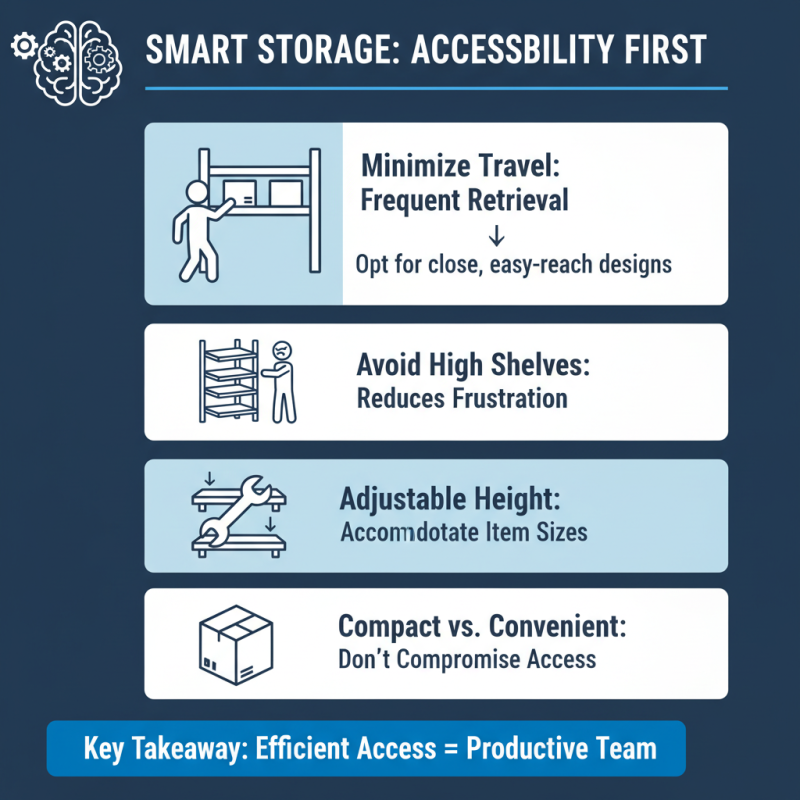
When choosing a storage racking system, accessibility is paramount. Think about how your team will access items. If products need frequent retrieval, opt for designs that minimize distance travel. High, inaccessible shelves might save space but can frustrate workers. Consider adjustable shelving height, which can cater to different sizes and make access easier. Compact designs are valuable but must not compromise convenience.
Organization plays a crucial role in racking design. Consider using color-coded labels or bins to enhance categorization. This keeps similar items together and facilitates quick locating. A well-organized system reduces time wasted searching for goods. However, don’t overlook the importance of regular audits. A great setup can turn chaotic over time if not monitored. Evaluate the system periodically to ensure it meets evolving needs. Simplifying processes through thoughtful organization is vital for efficiency, but it requires ongoing adjustment.
Budgeting and Cost Analysis for Racking System Installation and Maintenance
Choosing a storage racking system is not only about space efficiency. Budgeting plays a crucial role. Before making a decision, outline your costs. Include installation and maintenance expenses in your calculations. This gives a clearer financial picture.
Tip: Consider hidden costs. Equipment maintenance, repairs, and replacing damaged parts can add up. Expect to allocate funds for occasional repairs. This is often overlooked but essential.
Analyze different designs. Some might seem cheaper upfront but are costly over time. Understand the materials used and their longevity. A high-quality racking system reduces replacement frequency. Check the warranty terms; they often indicate durability.
Tip: Request multiple quotes. Comparing options allows you to find the best deal suited to your specific needs. Explore financing options if the initial investment feels overwhelming. Remember, a well-planned racking system pays off in the long run.
Budgeting and Cost Analysis for Racking System Installation and Maintenance