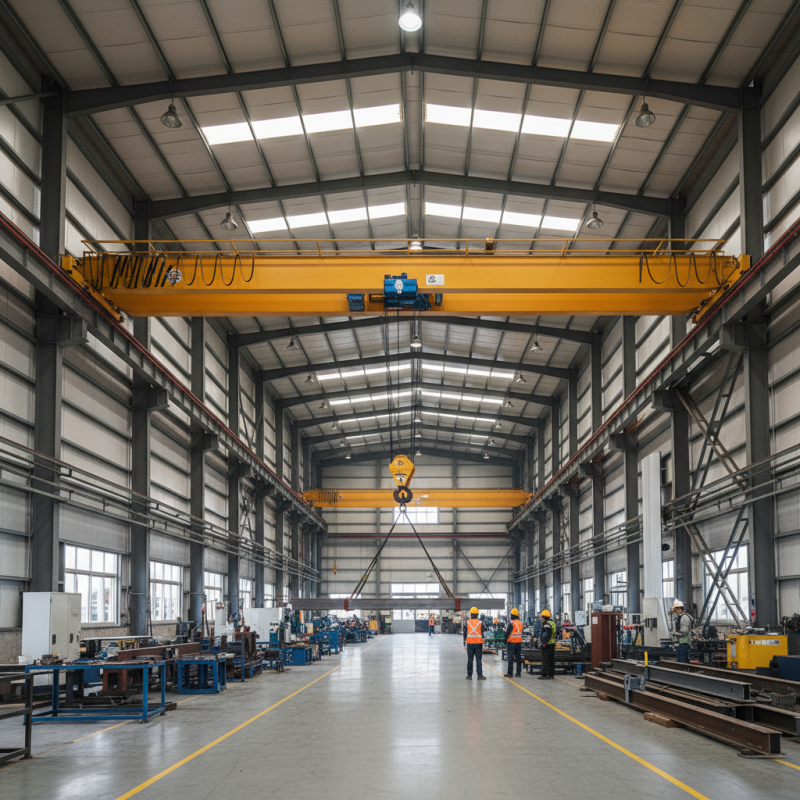
How to Choose the Right Single Girder Gantry Crane for Your Needs?
Choosing the right Single-Girder Gantry Crane can significantly impact your operational efficiency. The global crane market is projected to grow at a CAGR of 5.6%, reaching $25 billion by 2026. With so many options available, making a knowledgeable selection is crucial.
When evaluating your needs, consider factors like lifting capacity, span length, and operational environment. Understanding application demands will aid in choosing an appropriate crane. Furthermore, a poorly chosen Single-Girder Gantry Crane can lead to safety risks and inefficiencies.
Additionally, it’s essential to align with manufacturers who adhere to industry standards, ensuring reliability and longevity. Industry insights show that cranes with proper specifications can enhance productivity by 30%. Thus, a thoughtfully selected crane is more than just a piece of equipment; it’s a cornerstone of successful operations.
Understanding the Basics of Single Girder Gantry Cranes
Single girder gantry cranes are essential in various industries for lifting and moving heavy loads. They offer flexibility and efficiency. Understanding their basics helps users select the right model for their specific needs. According to a report by Grand View Research, the global gantry crane market size was valued at $2.41 billion in 2020, with a projected growth of 5.3% annually. This growth reflects the increasing reliance on automated solutions in material handling.
Single girder gantry cranes typically have a single beam, with two legs that support the entire structure. This design allows for a lightweight and cost-effective solution. However, users must assess their load requirements. The cranes can typically lift between 0.5 to 30 tons, depending on specifications. Overloading can lead to structural failure, which needs careful monitoring.
In addition, height and span are critical factors in choosing the right crane. The standard lifting height ranges from 3 to 30 meters. However, some applications may require customization. Each project has unique challenges. Lack of proper understanding could lead to mismatched equipment. Being in tune with the fundamentals of single girder gantry cranes is crucial for making informed decisions that enhance safety and efficiency in operations.
Evaluating Your Lifting Capacity Requirements
When evaluating your lifting capacity requirements for a single girder gantry crane, it is crucial to consider specific factors. Begin by assessing the maximum weight you need to lift. This figure should include the load itself and any additional tools or attachments. An accurate estimate ensures safe operation and prevents accidents.
Next, think about the frequency of use. Will the crane handle heavy loads daily, or will it be used occasionally? Frequent use may necessitate a higher lifting capacity to accommodate increased wear and tear. It’s important to reflect on the environment as well. A busy workshop may require more robust machinery compared to a quieter setting.
Moreover, don’t overlook the actual lift height and span needed for your operations. Knowing the distances involved can help define the crane's specifications. If unsure, consulting with industry experts can provide invaluable insights. Their expertise might highlight limitations or considerations you hadn't anticipated. Engaging in this thoughtful assessment phase is essential for selecting the right crane model tailored to your operational needs.
Assessing the Crane's Operating Environment
When choosing a single girder gantry crane, the operating environment plays a vital role. Factors such as the terrain and the presence of obstacles can greatly affect your selection. A stable ground surface is ideal, but uneven terrain might require special considerations. Examine the site carefully. Waterproof features may be necessary if the crane operates outdoors.
Temperature variations are another crucial element. Cranes that will function in extreme heat or cold need to be designed to withstand these conditions. This includes using materials that won’t warp or become brittle. Regular maintenance is essential for cranes exposed to harsh environments. Dust and debris can accumulate, hindering operation and safety.
In addition to physical conditions, safety regulations must be taken into account. Local codes may dictate specific requirements for cranes based on their operation. Ignoring these can lead to costly delays or hazards. Always conduct a thorough risk assessment of your facility and operational needs. Take your time to choose wisely; the wrong crane can lead to inefficiencies or even accidents.
How to Choose the Right Single Girder Gantry Crane for Your Needs? - Assessing the Crane's Operating Environment
| Crane Model | Load Capacity (tons) | Span (meters) | Height (meters) | Operating Environment | Power Source |
| Model A | 5 | 10 | 4 | Indoor | Electric |
| Model B | 10 | 12 | 5 | Outdoor | Diesel |
| Model C | 7 | 15 | 6 | Mixed | Electric |
| Model D | 15 | 20 | 7 | Indoor | Electric |
| Model E | 20 | 25 | 8 | Outdoor | Diesel |
Choosing the Right Crane Materials and Structure
When selecting materials for a single girder gantry crane, it's essential to consider the environment. Steel is often preferred due to its strength and durability. However, different grades of steel offer varying resistance to corrosion. For outdoor setups, galvanization can prolong lifespan significantly. Aluminum is lighter and more resistant to rust but may not support heavy loads as effectively.
The structure of the crane is equally important. A well-designed frame ensures stability and functionality. Look for a configuration that distributes weight evenly. Box section beams may provide the necessary strength while keeping weight manageable. However, an overly complex design can introduce unnecessary risks and complicate maintenance.
Evaluating the materials and structure demands careful thought. It’s easy to overlook weight limits or environmental impacts when making quick decisions. Researching local regulations can also prevent future complications. Ensuring that all components are compatible is critical. Remember, choosing the right crane is about balancing strength, practicality, and durability.
Considering Budget Constraints and Maintenance Needs
When choosing a single girder gantry crane, budget constraints play a crucial role. It's wise to define your budget early in the process. Determine not only the purchase price but also other costs. Installation and shipping fees can add up. Don't overlook maintenance requirements either. A lower initial price may lead to higher long-term expenses if the crane needs frequent repairs.
Maintenance needs impact your decision significantly. Some cranes require more frequent servicing. Others may have complex systems that could be costly to fix. Investigate the availability of replacement parts for your chosen model. Consider local service providers for repairs. Understanding these aspects helps prevent future headaches.
Never rush your decision. Spend time comparing different options. Seek feedback from those with experience in gantry cranes. Their insights can reveal important details. Balance your budget with the need for reliable performance. Reflecting on these factors will guide you to the right choice. Ensure the crane fits your operational needs and maintenance capabilities.