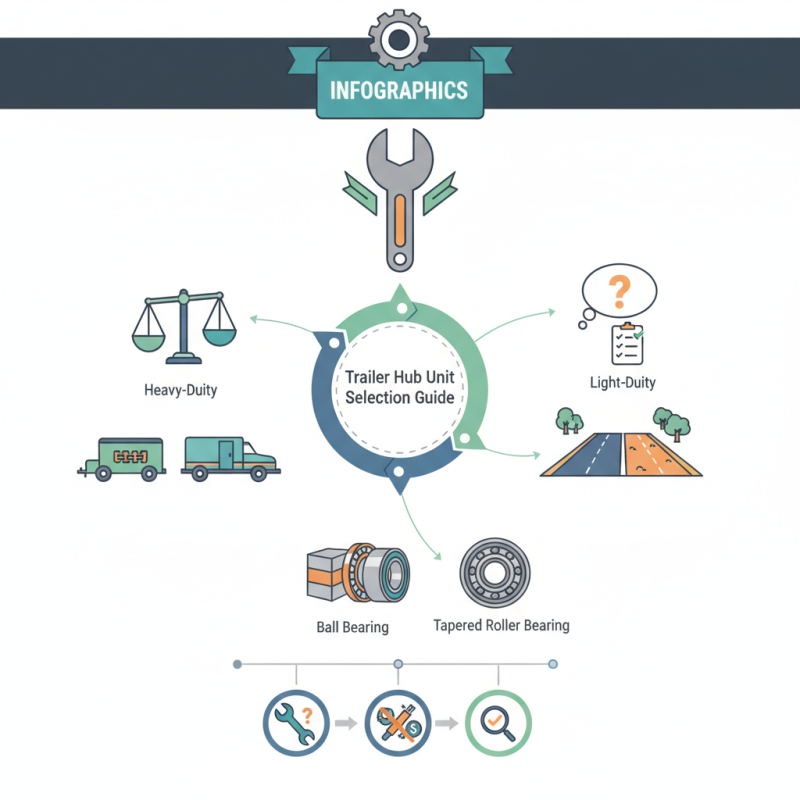
How to Choose the Best Trailer Hub Unit for Your Needs?
Selecting the right Trailer Hub Unit can be quite challenging. According to John Smith, a seasoned industry expert, "The right hub unit makes all the difference in performance." A good choice directly impacts your trailer's efficiency and safety.
Understanding the specifications is crucial. Each Trailer Hub Unit varies in design and functionality. For instance, weight capacity and bearing type are key factors. If you overlook these details, it could lead to problems down the road.
It’s a learning process. Mistakes can happen, such as choosing a hub that doesn't fit your trailer. Reflecting on past choices can guide future decisions. Ultimately, investing time in research may save you from costly errors.
Factors to Consider When Selecting a Trailer Hub Unit for Your Vehicle
Choosing the right trailer hub unit is crucial for performance and safety. Several factors influence your choice. Start with the weight capacity of your trailer. This capacity must match the load you will carry. Assess your vehicle’s compatibility with specific hub designs. Some hubs fit specific axle types, so check your specifications.
Braking systems are vital because they affect stopping power. Ensure that your hub unit complements your braking system efficiently. Pay attention to the type of bearings used in the unit. Some may require regular maintenance while others are sealed and largely maintenance-free.
Tip: Always inspect for signs of wear before making a purchase. Listen for unusual noises when in use.
The material of the hub unit also matters. Steel and aluminum have different strengths and weaknesses. Steel is durable but can rust easily. Aluminum is lighter and resists corrosion but might not hold heavy loads as well.
Tip: Consider your environment. Will your trailer operate in wet or dusty conditions?
Durability is essential. A quality hub will withstand heavy usage without failing. Look closely at customer reviews for insights into long-term performance. Confirm that the supplier offers warranties or guarantees for added security.
Understanding Different Types of Trailer Hub Units and Their Applications
When selecting a trailer hub unit, it's essential to understand the various types and their specific applications. There are two main categories: drum brake hubs and disc brake hubs. Drum brake hubs are generally more affordable and suitable for lighter loads. They offer reliable stopping power but can be less efficient than their disc counterparts. In contrast, disc brake hubs provide superior braking performance, especially for heavier trailers. Reports indicate that nearly 70% of commercial trailers now use disc brakes due to their increased safety and efficiency.
Another critical factor is the bearing type. The most common choices are tapered roller bearings and ball bearings. Tapered roller bearings distribute load effectively, which is crucial for handling heavy loads. Ball bearings, while simpler, can wear down faster under heavy stress. According to industry studies, using the right bearing type can extend the lifespan of your trailer hub by up to 25%.
After understanding these types, consider your specific needs. What kind of loads will you carry? What is the frequency of use? These questions are vital. A mismatch in hub choice can lead to performance issues and unnecessary maintenance costs. Gathering accurate insights and making informed decisions will enhance your trailer's efficiency and reliability. Always consult with experts to clarify any uncertainties in your choice.
Key Specifications: Load Capacity, Bearing Size, and Compatibility
Choosing the right trailer hub unit is essential for ensuring safe and reliable transportation. Key specifications such as load capacity, bearing size, and compatibility play critical roles in this decision. Load capacity refers to the maximum weight the hub can handle. It’s vital to match the hub’s capacity with your trailer’s requirements to avoid potential failures. An overloaded hub can lead to severe damage and accidents.
Bearing size is another crucial factor. It affects both performance and durability. Selecting the appropriate bearing size for your hub will ensure smoother operations and less frequent maintenance. A mismatch can cause issues like overheating and premature wear.
Compatibility with your existing trailer setup cannot be overlooked. Not all hubs fit every trailer configuration. You need to consider the axle type, wheel size, and brake system. A poorly matched hub may compromise trailer performance and safety, leading to regrettable consequences. While it’s easy to focus solely on specs, reflecting on actual needs is necessary. Mistakes in choices can result in costly repairs and unsafe driving situations.
How to Choose the Best Trailer Hub Unit for Your Needs?
This chart illustrates the key specifications to consider when choosing a trailer hub unit. It includes typical values for load capacity in pounds, bearing size in inches, and compatibility rating. Assess these specifications to ensure you select the right trailer hub for your needs.
Importance of Material Quality and Durability in Trailer Hub Units
When selecting a trailer hub unit, the importance of material quality cannot be overstated. Strong materials ensure that the hub can sustain heavy loads and abrasive conditions. Metal alloys, for instance, are often preferred for their strength and resilience. They protect against deformity and enhance longevity.
Durability is crucial for safe hauling. A well-constructed hub can withstand moisture, heat, and corrosion. It is not uncommon for users to overlook these factors, leading to premature failures. In extreme cases, inadequate durability can result in accidents. Investing in a quality hub can yield peace of mind and fewer repairs down the line.
Assessing a hub unit may not be straightforward. Some lower-cost options might seem tempting. However, these often sacrifice quality for price. Scrutinizing reviews and performing thorough research will help gauge performance and reliability. It is essential to ask, “Will this hub meet my long-term needs?” Taking the time to reflect on these aspects can yield significant long-term benefits.
How to Choose the Best Trailer Hub Unit for Your Needs? - Importance of Material Quality and Durability in Trailer Hub Units
| Material | Durability Rating | Weight Capacity (lbs) | Price Range ($) | Warranty (Years) |
| Steel | High | 3500 | 150 - 250 | 2 |
| Aluminum | Medium | 3000 | 200 - 300 | 2 |
| Composite | Low | 2500 | 100 - 200 | 1 |
| Cast Iron | Very High | 5000 | 300 - 500 | 3 |
Maintenance Tips for Ensuring Optimal Performance of Trailer Hubs
Maintaining trailer hubs is crucial for safe and efficient hauling. According to industry research, improper maintenance can lead to a staggering 23% increase in failure rates. Regular inspections can help catch issues before they escalate. Checking for grease leaks and signs of wear ensures that hub units function correctly. If a hub gets too hot during use, it can indicate lubrication problems. This overheating often leads to costly repairs or accidents.
Cleaning trailer hubs regularly is essential. Dirt and debris can cause premature wear. Using compressed air to clear out dust is a good practice. Experts recommend inspecting hub seals for cracks or damage. A worn seal could lead to contamination. Almost 15% of trailer accidents can result from hub failure. Therefore, prioritizing maintenance is a must for every trailer owner. These simple actions can aid in optimizing hub performance and prolonging their lifespan.