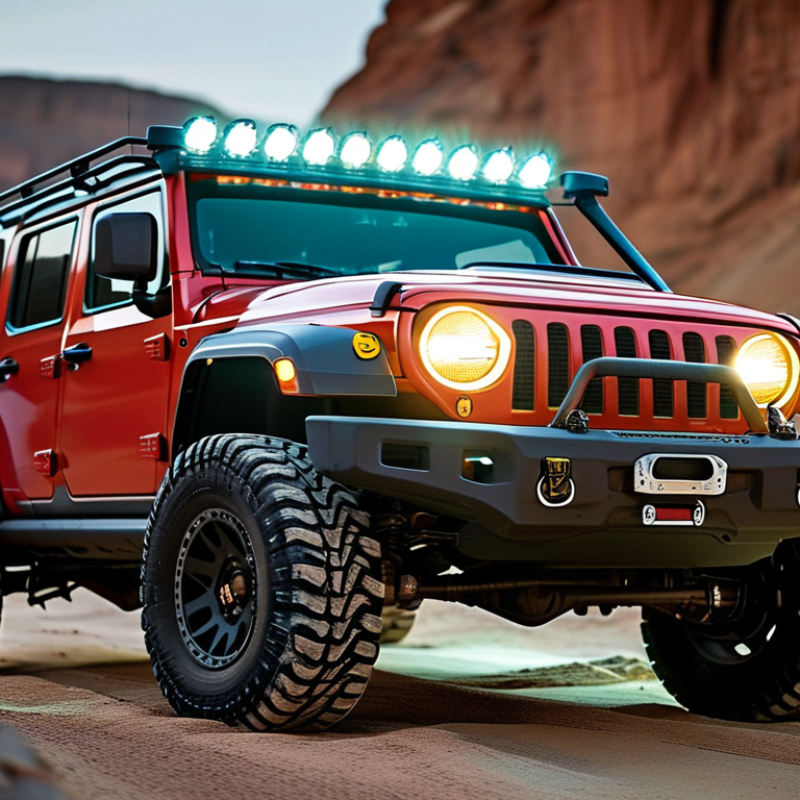
Why Choose LED Off Road Lights for Your Vehicle Upgrade?
Upgrading your vehicle with LED Off Road Lights can dramatically enhance your off-road experience. These lights offer bright illumination, allowing you to navigate rugged terrains safely. Users often share their excitement about how these lights maximize visibility during night rides.
LED Off Road Lights are not just bright; they’re durable. Many options are designed to withstand harsh conditions. However, selecting the right type can be overwhelming. Experienced off-road enthusiasts suggest considering beam patterns and focal lengths. They emphasize that the right choice impacts safety and performance.
Despite the benefits, some still debate if LED Off Road Lights are worth the investment. Their initial cost can seem high to some. Yet, the long-term advantages—energy efficiency and longevity—often outweigh these concerns. It’s essential to make informed decisions that align with your off-road needs.
Benefits of LED Off Road Lights for Vehicle Upgrades
Upgrading your vehicle with LED off-road lights brings numerous benefits. These lights are energy-efficient, consuming less power while providing bright illumination. This efficiency means you can spend more time on trails without draining your vehicle's battery. Many off-road enthusiasts report that LED lights last significantly longer than traditional halogen options, reducing the need for frequent replacements.
Visibility is crucial in rough terrain. LED off-road lights emit a clearer, more focused beam, enhancing your ability to spot obstacles. This clarity translates to safer driving experiences. Additionally, many LED lights come with durable housing, making them resistant to harsh weather and impacts. While they may be more expensive upfront, the long-term reliability justifies the investment.
However, installation can sometimes be tricky. Not everyone may feel comfortable tackling it themselves. Some users have faced challenges with wiring or finding the right mount. It's essential to research and weigh installation options before diving in. Nevertheless, the increased safety and performance often outweigh these challenges. Consider your off-road habits and how LED lights can elevate your experience.
Why Choose LED Off Road Lights for Your Vehicle Upgrade? - Benefits of LED Off Road Lights for Vehicle Upgrades
| Feature | Description | Benefits |
| Brightness | LED lights provide higher lumens per watt, resulting in brighter illumination. | Improved visibility during off-road trips and night driving, enhancing safety. |
| Energy Efficiency | LED lights consume less power compared to traditional halogen lights. | Longer battery life during off-road excursions and reduced energy costs. |
| Durability | LED lights are typically more resistant to shocks and vibrations. | Reduced risk of damage in rugged environments, saving on replacement costs. |
| Heat Management | LEDs generate less heat, with better heat dissipation mechanisms. | Increased lifespan of the lights, contributing to long-term savings. |
| Light Color | LEDs are available in a range of color temperatures, from warm white to cool white. | Ability to choose a color that enhances visibility and matches personal preferences. |
Comparison of LED vs. Traditional Lighting Options for Off Road Use
When choosing lighting for off-road use, understanding the differences between LED and traditional lights is crucial. LEDs have gained popularity due to their energy efficiency and brightness. They consume less power while producing intense illumination, which is essential for navigating rough terrains. Traditional halogen lights fall short in brightness and efficiency. They generate significant heat and often require more frequent replacements, making them less reliable in demanding conditions.
LED lights offer durability, which matters in off-road environments. Their built-in resistance to shocks and vibrations can withstand tough conditions. In contrast, traditional lights may fail under similar circumstances. The color temperature of LED lights provides clearer visibility, especially in low-light situations. However, some users have noted an initial adjustment period when adapting to LED lights. The intensity can sometimes be blinding, raising concerns about glare for other drivers. Finding the right balance in brightness is essential for safety.
Installation can also present challenges. While many LED lights are designed for easy setup, not all vehicles may accommodate them seamlessly. This may require additional modifications. Traditional lights, although simpler in setup, can lead to issues with heating and bulb replacements. Ultimately, careful consideration of these factors informs the best choice for vehicle upgrades. Balancing functionality and safety is key in making an informed decision.
Factors to Consider When Choosing LED Off Road Lights
When selecting LED off-road lights, several factors warrant consideration to ensure optimal performance and safety. The brightness of the lights is essential. Effective off-road lighting typically ranges from 2,000 to 10,000 lumens. Lower lumens may suffice for simple tasks but can leave you blind to hazards. Also, examine the color temperature, as lights in the 5000K to 6000K range closely mimic daylight. This helps improve visibility and reduces eye strain during night drives.
Another critical factor is beam pattern. Spot beams deliver focused light over long distances, making them ideal for navigating rough terrains. Conversely, flood beams cast a wider light, illuminating a larger area. A combination of both can enhance night driving safety. Durability is equally important; lights should have an IP rating of at least IP67, guaranteeing protection against dust and water penetration. According to a recent industry report, about 25% of LED off-road lights fail within the first year due to inadequate waterproofing.
Consider your mounting options and the power supply as well. Make sure the lights fit your vehicle’s design and electrical capacity. Choosing the wrong lights can lead to installation challenges or inadequate performance. Reflect on your specific needs and usage frequency. Temporary installations may not justify a high-end, expensive choice. Weigh these factors carefully to find a balance between performance and cost.
Installation Tips for Upgrading to LED Off Road Lights
Installing LED off-road lights can transform your vehicle's performance and safety. First, ensure you choose the correct mounting spots. A study from the Society of Automotive Engineers indicates that proper positioning can boost visibility by up to 50%. This might mean using the roof or front bumper for optimal height.
Next, wiring can be tricky. It's crucial to follow the manufacturer's guidelines carefully. Most guides recommend connecting directly to the battery. A reliable method is using a relay to prevent electrical overload. This adds an extra layer of protection to your vehicle's electrical system. According to industry reports, improper wiring accounts for 30% of off-road lighting failures.
Lastly, don’t overlook the importance of testing your setup. Once installed, check the angle and brightness. Street legal doesn’t always mean effective for off-road use. Spend some time driving in different conditions to ensure that everything works as intended. Reflect on your setup after a test drive; adjustments may enhance your experience. Choosing to upgrade with caution and consideration can lead to a satisfying result.
Popular Brands and Models of LED Off Road Lights on the Market
When upgrading your vehicle for off-road adventures, choosing the right LED off-road lights is crucial. Several popular brands and models consistently stand out in the market today. Many enthusiasts favor versatile LED light bars, known for their brightness and wide beam spread. The ability to illuminate vast terrains makes them a reliable choice for nighttime drives. Compact LED pods also gain attention for their durability and efficiency. They are easy to mount and provide targeted lighting where needed.
Specialized designs, like flood and spot combinations, offer unique advantages. Flood lights excel in close-range visibility, while spot lights reach far distances. Certain brands emphasize rugged construction, ensuring they withstand harsh conditions. Their waterproof ratings are impressive, but some models may fall short in extreme weather resistance. Users often find themselves reflecting on how well their lights perform over time.
Ultimately, while many products have outstanding features, personal experiences vary. Some users may express disappointment if their expectations aren't met in real-world situations. Research and reviews play a vital role in narrowing down choices. Engaging with off-road communities can lead to valuable insights. Remember to prioritize not just brightness, but longevity and warranty offerings in your decision process.