Why Choose Collapsible Pallet Sleeve Containers for Your Business?
In today's fast-paced logistics and supply chain landscape, businesses are under constant pressure to optimize efficiency and reduce costs. The Collapsible Pallet Sleeve Container has emerged as a crucial asset for companies seeking to streamline their operations. According to a report by Smithers Pira, the pallet container market is projected to reach $9 billion by 2025, reflecting a growing recognition of its benefits.
The Collapsible Pallet Sleeve Container offers significant advantages over traditional packaging. Its design maximizes space, enabling up to 30% more product storage. This can lead to substantial savings in transportation costs. Furthermore, the reusability of these containers supports sustainable practices, aligning with the increasing global emphasis on eco-friendly solutions.
However, businesses must critically assess their specific needs. Not all operations benefit equally from using Collapsible Pallet Sleeve Containers. The initial investment can be substantial. Companies should weigh the potential savings against the upfront costs. Ultimately, integrating this solution requires careful consideration of logistics and product types.
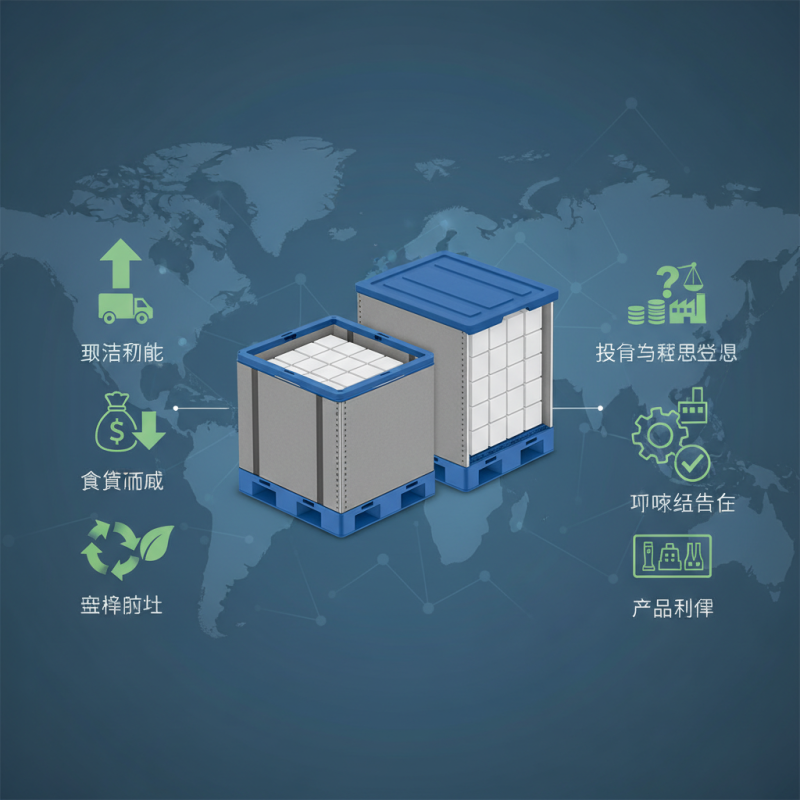
Benefits of Using Collapsible Pallet Sleeve Containers in Logistics
Collapsible pallet sleeve containers are gaining popularity in logistics. Their design is efficient and space-saving. When not in use, they can be collapsed down to reduce storage needs. This feature is crucial for any business looking to maximize space and minimize costs.
Using these containers can enhance your supply chain operations. They protect goods during transit, reducing damage rates. This reliability can improve customer satisfaction. Additionally, they are often lightweight, which can lower shipping costs. However, inconsistency in material quality can lead to durability issues, so it’s important to select suppliers carefully.
Another consideration is the setup time. While many find them easy to assemble, improper use can create challenges. Training staff on correct assembly is vital for efficiency. Investing in proper training can lead to better overall performance and fewer mistakes.
Cost Reduction: How Collapsible Containers Optimize Shipping Expenses
Shipping expenses can take a serious toll on business profitability. Collapsible pallet sleeve containers significantly reduce these costs. Their design allows for efficient stacking, maximizing the use of space during transport. This means fewer trips needed for shipping, leading to lower fuel and labor costs.
When not in use, these containers can be collapsed to save storage space. This feature is particularly valuable for businesses with limited warehouse areas. By minimizing the volume of empty pallets, companies can engage in more efficient inventory management. This aspect can lead to significant savings over time.
Investing in collapsible containers also improves handling efficiency. They are easier to load and unload, which can reduce the labor time required per shipment. However, some businesses may encounter initial adaptation challenges. Employees may need training to use these containers effectively. A smooth transition can lead to enhanced workflow and reduced costs in the long run.
Space Efficiency: Maximizing Warehouse Capacity with Pallet Sleeves
Collapsible pallet sleeve containers are becoming essential in modern warehousing. They maximize space efficiency, allowing businesses to store more goods within limited areas. A traditional pallet offers minimal options for vertical stacking. In contrast, pallet sleeves can be collapsed when empty, freeing up valuable square footage.
When filled, these containers maintain structural integrity, enabling optimized stacking height. This leads to increased storage density. For example, in a 1,000-square-foot space, using pallet sleeves can increase storage by 30%. Imagine the potential savings in rental costs and overhead when space is more efficiently utilized.
However, not every operation may benefit equally from this system. Some companies still rely on rigid containers or boxes due to unique product requirements. It's essential to assess your business needs critically. Each solution has its pros and cons. Striking a balance can lead to optimal efficiency and productivity in your warehouse operations.
Space Efficiency Comparison: Traditional vs. Collapsible Pallet Sleeve Containers
In this comparison, collapsible pallet sleeve containers show a significant increase in space utilization compared to traditional pallets. Organizations can maximize their warehouse capacity by adopting these efficient containers.
Environmental Impact: Sustainability Benefits of Collapsible Containers
Collapsible pallet sleeve containers offer a strong advantage in sustainability. They are primarily made from recycled materials, significantly reducing carbon footprints. A study indicates that using collapsible containers can lower a company's plastic waste by up to 60%. This reduction is crucial in an era where companies face increasing pressure to adopt eco-friendly practices.
Transporting these containers is another area where sustainability shines. When collapsed, they occupy 75% less space, allowing for more efficient shipping. According to the International Journal of Logistics Management, this optimization can lead to a 30% decrease in transportation emissions. However, this benefit may only be fully realized if companies ensure strict adherence to proper stacking procedures.
Though collapsible containers bring many benefits, challenges remain. Not all businesses may be equipped to implement such systems. The initial investment can seem daunting. Moreover, inconsistent awareness and training among staff can hinder overall efficiency. Despite these challenges, the environmental impact can no longer be ignored. As industries evolve, seeking innovative packaging solutions like collapsible containers is essential for a more sustainable future.
Why Choose Collapsible Pallet Sleeve Containers for Your Business? - Environmental Impact: Sustainability Benefits of Collapsible Containers
| Dimension | Description | Sustainability Benefit | Impact on Environment |
| Material Usage | Collapsible containers are made from recyclable materials. | Reduces raw material consumption. | Decreases landfill waste by promoting recycling. |
| Transportation Efficiency | Containers can be collapsed when empty, saving space during transport. | Improves freight efficiency, lowering fuel consumption. | Reduces carbon footprint associated with transportation. |
| Durability | Designed for long-term reuse, withstands rigorous handling. | Minimizes the need for single-use packaging. | Contributes to waste reduction in production. |
| Energy Efficiency | Requires less energy to produce compared to traditional pallets. | Lower energy consumption in manufacturing. | Reduces overall environmental impact of production processes. |
| Stackability | Can be stacked efficiently when not in use. | Saves space, reducing storage needs. | Lowers the resource footprint related to warehousing. |
Versatility: Adaptable Uses Across Different Industries and Products
Collapsible pallet sleeve containers are becoming increasingly popular across various industries. Their design provides flexibility that traditional containers lack. These versatile containers can be used for transporting goods in manufacturing, retail, and food industries. Different products can be stacked safely and securely.
When considering these containers, think about your specific needs. They can be adjusted for different product sizes. This adaptability can save costs in storage and transportation. It also allows for efficient use of space, both in warehouses and on delivery vehicles. The ability to collapse these sleeves makes them easier to handle when not in use.
Tip: Regularly assess your packaging needs. What worked yesterday may not work today. Being open to change can improve efficiency. Monitor how well these containers protect your products during transit. If damages occur, reflect on their design and fit. This can lead to better choices in materials or styles. Evaluate feedback from your staff on usability. Their insights can highlight areas for improvement.