How to Choose the Best Packaging Machine for Your Needs?
Choosing the right Packaging Machine is crucial for businesses aiming to enhance efficiency. According to a report by ResearchAndMarkets, the global packaging machinery market is projected to reach $50 billion by 2025, indicating significant growth opportunities. The rise in demand for packaged foods and pharmaceutical products drives this trend.
Understanding the specific needs of your operation is vital. Many companies overlook critical features. For instance, selecting a machine that accommodates various package sizes can prevent future bottlenecks. Conversely, a poorly chosen machine may lead to inefficiencies and increased costs.
In the fast-paced market, reliability and versatility are key. Not all machines provide the same level of performance. A comprehensive analysis is essential, weighing factors such as production volume and product types. By considering these elements, businesses can invest wisely in a packaging machine that aligns with their goals.
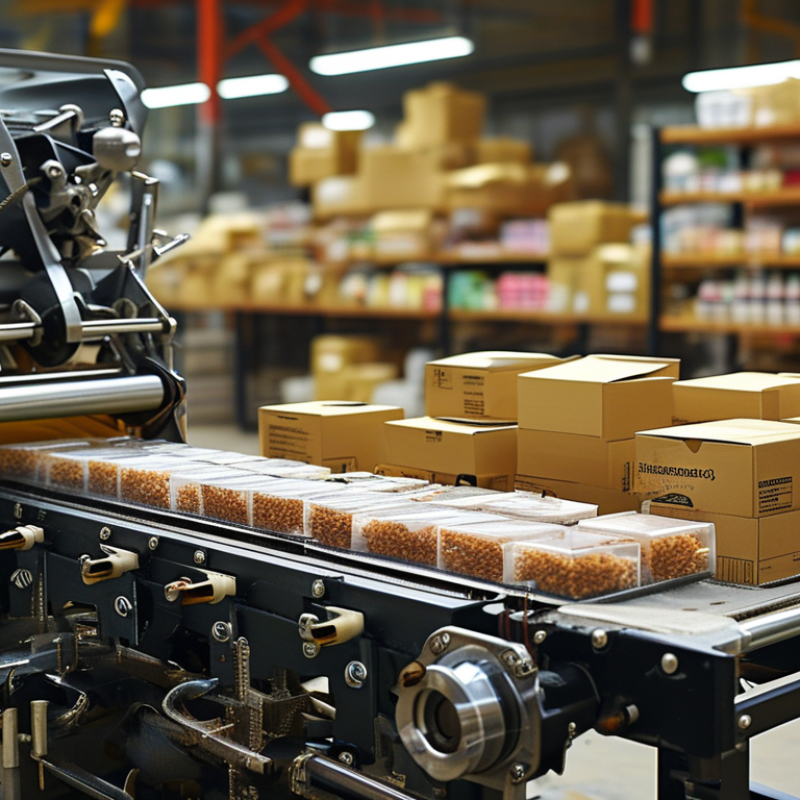
Identify Your Packaging Requirements and Objectives
Identifying your packaging requirements and objectives is crucial when selecting a packaging machine. According to a recent industry report, companies that define their packaging needs early save up to 30% on overall costs. Each product may demand specific packaging formats, sizes, and materials. For instance, food products often require machines that preserve freshness and comply with safety standards. Understanding these needs can streamline operations.
Evaluating production speed is another vital aspect. A reliable source notes that businesses achieving a 25% increase in productivity did so by aligning machine speed with output targets. Consider your production volume when assessing options. High-speed machines can handle larger outputs, but a balance between speed and packaging quality is essential.
Additionally, don't overlook the importance of scalability. As your business grows, your packaging solutions should evolve too. It may be tempting to pick the fastest solution available, but that could lead to inefficiencies later. Ensure that your chosen machine can adapt to changing needs without excessive investment. Reflection on your long-term goals will guide this decision.
Evaluate Different Types of Packaging Machines Available
When evaluating different types of packaging machines, consider the variety of options tailored to specific needs. According to industry reports, the global packaging machinery market is projected to reach USD 45.9 billion by 2025. This growth highlights the importance of selecting a machine that aligns with your product type and operational scale.
Automated machines are ideal for high-volume production. They save time and reduce labor costs. However, they often have a higher initial investment. Smaller, semi-automated models offer flexibility for smaller operations. These require more manual oversight but can adapt to diverse product shapes and sizes.
It's essential to assess not only the machine's speed but also its versatility. Different products may need distinct packaging styles. For instance, liquid products often require filling machines with specific nozzles. Rigid products may need carton erectors or case packers. Understanding these nuances can lead to a more informed decision. Engaging with industry experts can provide insights that are not always evident in reports.
How to Choose the Best Packaging Machine for Your Needs?
| Type of Packaging Machine | Key Features | Ideal Applications | Price Range |
| Vertical Form Fill Seal | Automated, compact design, suitable for granules and powders | Snacks, coffee, pet food | $15,000 - $40,000 |
| Horizontal Flow Wrapper | Flexible film handling, options for both sealed and unsealed | Confectionery, bakery items, frozen food | $20,000 - $60,000 |
| Labeling Machine | High speed, adjustable height, applies labels accurately | Bottles, jars, cartons | $10,000 - $30,000 |
| Stretch Wrapper | Automatic or semi-automatic options, uses stretch film | Pallets, heavy products | $5,000 - $25,000 |
| Shrink Wrapper | Creates a tight seal using heat, versatile for various products | Consumer goods, electronics | $15,000 - $50,000 |
Consider the Size and Scale of Your Production
When selecting a packaging machine, consider the size and scale of your production. Industry reports indicate that machine efficiency varies greatly with production volume. For small to medium enterprises, a machine that handles 30 to 50 packages per minute may suffice. In contrast, larger manufacturers might require systems capable of 100 to 200 packages per minute. This difference dramatically impacts the choice of equipment.
Measuring the dimensions of your workspace is critical. A large, bulky machine might not fit well, causing operational inefficiencies. For example, the Food and Drug Administration (FDA) sets specific criteria for food packaging that can complicate matters. Additionally, changes in production lines can lead to unexpected costs. Operators should frequently assess their needs. Flexibility is essential, as demands may evolve.
Consider the total cost of ownership (TCO) when evaluating machines. Initial costs are just a fraction of long-term expenses. Maintenance, downtime, and energy consumption significantly influence overall costs. A machine with a higher upfront cost may present better ROI through lower maintenance and improved efficiency. Balancing these factors is essential, yet challenging, as businesses aim for scalability without compromising quality or budget.
Assess Machine Features and Technological Capabilities
When choosing a packaging machine, it's essential to assess its features and technological capabilities. Understanding your specific needs is crucial. A machine that works for one product may not suit another. Consider the size, shape, and material of your items. These factors influence the type of packaging machine you'll require.
Tips: Analyze your production speed requirements. A machine that can keep up with your output is vital. Look for options that offer flexibility for various products. It’s important to ensure the machine can handle multiple sizes without needing frequent adjustments.
Technological capabilities also matter. Evaluate if the machine supports automation. Automated machines can enhance efficiency and reduce labor costs. However, don't overlook the importance of user-friendly controls. A complicated interface may lead to delays in training. Processing times could increase as operators learn the system.
Tips: Consult with industry experts to get insights. Their experience can help you identify which features are genuinely beneficial. Reflect on your operational challenges. This awareness will guide you in choosing a machine that can evolve with your needs.
Look Into Budget Constraints and Return on Investment
When selecting a packaging machine, budget constraints are key. You must assess initial costs alongside long-term expenses. A study by the Association for Packaging and Processing Technologies indicates that companies can see a return on investment (ROI) of up to 30% within the first year. This data emphasizes the need to calculate not only purchase costs but also maintenance and operation expenses.
Understanding your production rates is essential. A suitable machine should align with your output goals. If it can't meet demand, the ROI diminishes. Industry reports suggest that automating packaging can reduce labor costs by as much as 25%. However, these machines come with varying price tags. Some options appear affordable but may require costly upgrades later. Reflecting on operational needs can expose gaps between expectations and budget realities.
Moreover, consider the resale value of equipment. If a machine becomes obsolete, you might incur significant losses. The equipment's lifespan plays a role too. Investing in higher-quality machines often yields better longevity, countering initial costs. Balancing quality and affordability is challenging but crucial. It's important to dig deeper into each option's total cost of ownership to ensure a sound financial decision.