China Top 10 Robot Teleoperation Data Collection Companies?
Robot Teleoperation Data Collection helps robotics teams capture human demonstrations for training and evaluating machines in real-world tasks. An operator may guide a robot arm to pick up a cup, place a component, or open a drawer while cameras and sensors record each movement. These examples can reveal details that simulations often miss, such as a slippery grip or an awkward approach angle. Small details matter.
This guide to China’s top 10 robot teleoperation data collection companies compares providers by their documented services, supported robot platforms, recording methods, annotation capabilities, and ability to handle projects at different scales. Buyers should also ask how data quality is checked, how collection workflows are adapted to specific tasks, and what information is available about pricing and delivery timelines. A polished demo alone is not enough.
Company rankings can vary with project needs and the evidence available publicly. Some providers may focus on hardware, while others offer data operations or integrated services. That distinction matters. The comparison is intended as a starting point, not a substitute for technical evaluation. Readers should verify current capabilities directly with each company and test a representative workflow before committing. Public information can be incomplete, and this list may not capture every strong provider. That is worth keeping in mind.
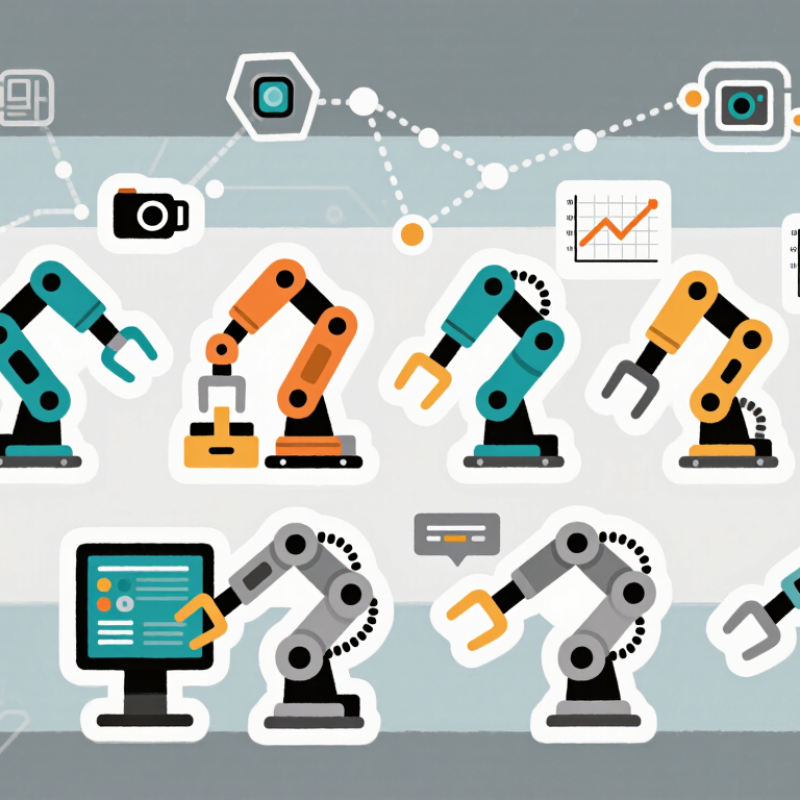
What Robot Teleoperation Data Collection Involves
Robot teleoperation data collection records how people guide machines through real tasks. An operator may move a gripper to lift a cup, open a drawer, or align a part. The system captures camera frames, joint positions, force readings, and control inputs with matching timestamps. These signals help engineers connect an action to what the robot sensed at that moment. Small details matter. A delayed frame or poor time alignment can make a correct movement difficult to interpret.
Collection sessions need repeatable task instructions and clearly recorded conditions. Teams may note object positions, lighting, tool changes, and whether an operator corrected a failed attempt. Those corrections are valuable; polished demonstrations alone can hide how recovery works. Before training, teams can check for missing frames, clipped movements, inconsistent labels, and sensor drift. Human review remains important, though it can be slow and subjective. That is harder. Each dataset reflects its tasks, equipment, and operators, so recorded motions may not transfer cleanly to a new robot or setting. Even careful records leave gaps.
How China’s Top 10 Companies Are Selected
Selecting China’s top teleoperation data-collection providers requires more than counting robots or platform announcements. The International Federation of Robotics reported 276,288 industrial robot installations in China in 2023, about 51% of global installations (World Robotics 2024). This indicates a substantial automation base, not proven teleoperation-data quality. Evidence matters.
A fair assessment should examine real deployments, task diversity, and dataset documentation. Reviewers can request sample logs showing timestamps, operator actions, robot states, and task outcomes. They should check whether camera views remain usable during occlusion and whether records capture failed attempts, not only clean runs. Consistent labeling and repeatable collection procedures matter. So does operator training.
Safety procedures, privacy safeguards, and clear data-use permissions should be evaluated alongside technical performance. A polished dashboard can still conceal missing or poorly synchronized records. Public disclosures also vary, making direct comparisons difficult. The selection method should state its evidence sources, scoring criteria, and any unverified claims. This rubric is imperfect; limited public data may leave capable providers underrepresented. A transparent top-ten list should therefore reward verifiable operational evidence, not marketing volume.
Key Technologies and Services Offered by These Companies
Robot teleoperation data providers typically combine remote-control tools, sensor capture, and human review. Operators guide a robot through tasks using a headset, handheld controller, or computer interface. Cameras record the scene, while joint sensors track arm movement and gripper position. Some systems also capture force, depth, and speech data.
Good collection services make demonstrations repeatable. A team might record a robot picking up a ceramic cup, placing it on a shelf, and correcting a small slip. Software synchronizes video with motion and sensor logs, then flags missing frames or awkward pauses. Trained reviewers label actions, object positions, and task outcomes. Clear labeling rules matter. Without them, two reviewers may describe the same movement differently.
Leading providers may offer simulation, secure data storage, custom task design, and quality checks alongside collection. Some support real-time monitoring, so supervisors can pause a run when an object shifts or a robot drifts. Yet more data is not automatically better. Smooth demonstrations can hide unusual failures, and scripted tasks may not reflect cluttered homes or workshops. This remains a weak point. Buyers should examine sample records, correction workflows, and how teams handle inconsistent demonstrations before choosing a service.
China Robot Teleoperation Data Collection: Key Data Types
A reference checklist of common data streams in robot teleoperation. This is not a company ranking or a survey of specific providers.
The bars indicate whether each data type is represented in this reference schema (1 = included). Actual collection setups vary by robot, task, and provider.