How to Build a Liquefaction Plant for Natural Gas?
Building a Liquefaction Plant for natural gas is a complex endeavor. The process requires careful planning and execution. A liquefaction plant converts natural gas into a liquid state. This conversion significantly reduces storage and transportation costs. However, each step presents unique challenges.
One must consider site selection. The location impacts logistics, environmental concerns, and community relations. Infrastructure is crucial. Roads, power supply, and water resources must support the plant's operations. Engineers also face the challenge of designing safe and efficient processes. They need to focus on safety standards while ensuring productivity.
Financing is another critical aspect. Construction costs can be high. Securing investments requires a solid business plan. Developers must also reflect on the long-term environmental effects. The potential impact on local ecosystems cannot be ignored. In essence, building a liquefaction plant is a multifaceted project that demands thorough consideration and foresight.
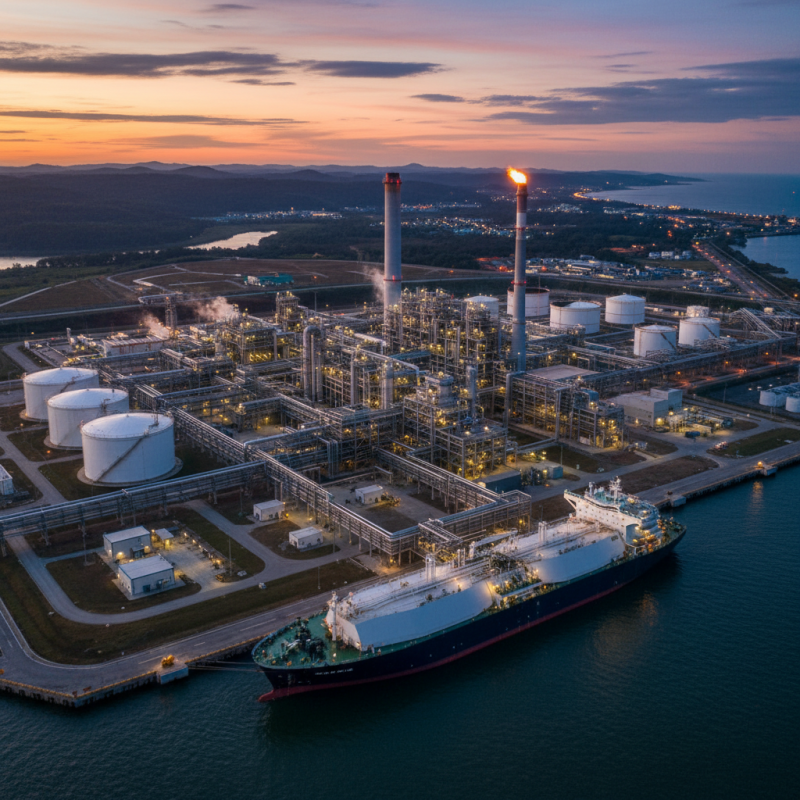
Understanding Liquefaction Process Fundamentals for Natural Gas
Liquefying natural gas is a complex process. Understanding the liquefaction fundamentals is crucial for building an efficient plant. The first step is cooling the gas to very low temperatures. This typically requires using refrigerants. The natural gas changes from a gaseous state to a liquid that is easier to store and transport.
Tips: Ensure you have a solid understanding of thermodynamics. The efficiency of the refrigeration cycle can significantly impact costs and output.
The liquefaction process involves several key components. Compressors, heat exchangers, and storage tanks play vital roles. Each part must be designed and engineered carefully. Mistakes in this phase can lead to significant losses. Evaluating designs with simulations can help to avoid issues later.
Tips: Always conduct thorough testing of components. Small flaws can lead to inefficiencies or hazards. Reflect on past experiences to improve future designs and ensure safety.
Key Components and Equipment Required for a Liquefaction Plant
Building a liquefaction plant for natural gas involves several critical components. The process starts with the pretreatment unit. This unit removes impurities, such as water and CO2, which can disrupt the liquefaction efficiency. Experts indicate that even small contaminants can lower the plant's overall performance by 15% or more.
Next is the liquefaction system. Common methods include the mixed refrigerant cycle or cascade process. These systems require intricate heat exchangers and compressors. Data from industry reports highlight that the energy consumption of liquefaction plants can be around 10% of the natural gas input. This poses a challenge to operators who aim for efficiency.
Storage and loading facilities must also be considered. Tanks must maintain low temperatures, often around -162 degrees Celsius. Proper insulation is crucial. Any failure in maintaining these temperatures can result in safety hazards and financial loss. A lack of attention to design details can lead to operational setbacks and increased costs. Each component plays a role in the overall success of the plant. Maintenance is essential to avoid interruptions in production. Regular assessments can help identify potential issues before they escalate.
Site Selection and Infrastructure Requirements for Plant Construction
Choosing the right site for a liquefaction plant is crucial. The location impacts efficiency and logistics. Proximity to natural gas sources can reduce transport costs. Coastal areas are often preferred for easy access to shipping lanes. However, careful examination of seismic activity is vital. An earthquake-prone region could pose risks.
Infrastructure plays a significant role in construction. Access roads, power supply, and water resources need consideration. Developing these connections can be time-consuming and expensive. But neglecting them may delay operations. Local environmental regulations also affect planning. Ensuring compliance may require additional effort and resources.
Beyond practical issues, engaging the local community is key. Gaining public support can smooth the path for permits. Transparency builds trust. However, not everyone may welcome a new facility. Community concerns must be addressed thoughtfully. Balancing industrial growth with local needs poses a challenge.
How to Build a Liquefaction Plant for Natural Gas? - Site Selection and Infrastructure Requirements for Plant Construction
| Criteria | Details |
| Location Proximity | Near natural gas sources and transportation infrastructure |
| Geological Surveys | Assessment of soil stability for construction |
| Water Supply | Access to sufficient water for cooling and processing |
| Electricity Supply | Reliable access to power sources for operations |
| Transportation Access | Proximity to ports, roads, and railways for logistics |
| Environmental Impact Assessments | Evaluation of potential ecological impacts and compliance |
| Community Engagement | Involvement and feedback from local communities |
| Construction Timeline | Estimated duration from groundbreaking to completion |
| Cost Estimates | Projected costs for construction, operation, and maintenance |
Safety Considerations and Environmental Impact Assessments
Constructing a liquefaction plant for natural gas demands careful consideration of safety and environmental impacts. The process generates significant greenhouse gas (GHG) emissions. Data shows that natural gas plants emit roughly 40% of the CO2 compared to coal plants. This aspect raises questions about the long-term sustainability of such projects.
Mitigating risks to workers is critical. High-pressure systems can lead to serious accidents. In 2021, industry reports cited several incidents where safety protocols were inadequate. This highlights the need for rigorous safety training and regular audits. Furthermore, the local community often expresses concern about potential hazards posed by these facilities. Engaging with local stakeholders can help in addressing these fears.
Environmental impact assessments (EIAs) are essential. They evaluate air and water quality effects. For example, methane leaks from natural gas processing can enhance global warming potential. It is estimated that methane's impact on climate change is 25 times that of CO2 over a 100-year period. These findings urge companies to adopt better monitoring techniques. Ultimately, as the industry moves forward, balancing growth with environmental stewardship remains a significant challenge.
Natural Gas Liquefaction Plant Safety Considerations and Environmental Impact Assessments
Operational Procedures and Maintenance Strategies for Efficiency
Building a liquefaction plant requires careful planning. Efficiency in operations hinges on solid maintenance strategies. Regular upkeep prevents downtime. Small issues can escalate quickly, leading to significant losses.
Operational procedures should prioritize safety. Staff training is crucial for effective practices. Routine inspections ensure all systems function correctly. It’s necessary to document every procedure for reference and improvements. A checklist can simplify daily operations.
Tracking performance metrics helps identify areas needing adjustments. Regular feedback is essential for ongoing improvement. Over time, the strategies may need revisions or updates. Ultimately, the goal is to sustain efficiency and safety in liquefaction processes.