
425 Sovereign Ct. St. Louis, MO 63011
SEARCH OUR WEBSITE

10 Best Twin Screw Air Compressor Brands in 2026?

Choosing a Twin Screw Air Compressor is a long-term operating decision, not simply a brand preference. These machines can run for thousands of hours, so efficiency, service access, and parts availability matter alongside purchase price. In 2026, buyers can compare established manufacturers, but the right choice depends on the work, site conditions, and local support. A food plant with steady demand may need a different setup from a workshop with changing air use.

This guide examines ten brands through practical factors: compressor design, available controls, maintenance needs, energy performance, and service coverage. Look beyond headline horsepower. Check the stated airflow at your required pressure, the package’s sound level, and the conditions behind any efficiency claim. Small details count. Not just brochure numbers. Ask how quickly a qualified technician can reach your site, and whether routine parts are stocked nearby. Those answers can matter during an unexpected shutdown.

The comparison aims to help readers ask better questions, not declare one manufacturer best for every buyer. Published specifications are useful, but they do not replace a site assessment or a clear review of operating costs. Even a careful shortlist has limits: models and support networks can vary by region. Treat rankings as a starting point. Before choosing, confirm current specifications, warranty terms, and service options directly with the manufacturer or an authorized dealer. A reliable compressor is not only a machine; it is also the support behind it.
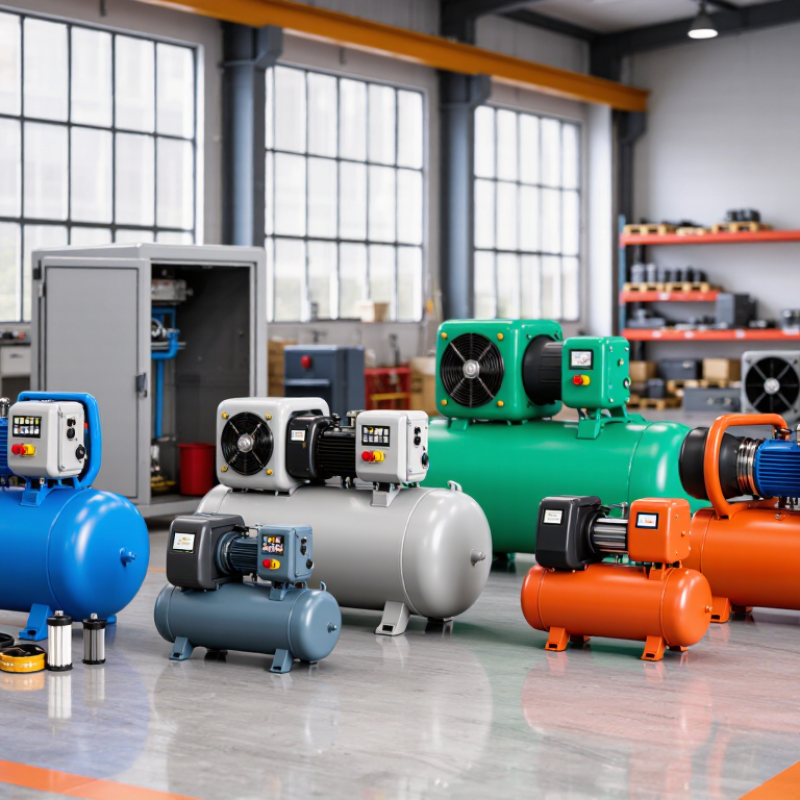
10 Best Twin Screw Air Compressor Brands in 2026?

What Defines a Twin Screw Air Compressor?

What Defines a Twin Screw Air Compressor?

A twin screw air compressor is a rotary positive-displacement machine. Inside its housing, two helical rotors turn and trap air in pockets. As the pockets move toward the outlet, their volume shrinks and pressure rises. The process delivers a steady stream of compressed air. That is the basic idea. Rotor design, operating speed, clearances, and inlet conditions still affect actual output. The name alone tells little.

The U.S. Department of Energy’s Improving Compressed Air System Performance sourcebook reports that compressed air can account for about 10% of industrial electricity use, and up to 30% in some facilities. Small efficiency differences can therefore matter. Twin screw designs may be oil-injected or oil-free; the right choice depends on air-quality needs and operating conditions. Compare measured flow and power, not just motor size. ISO 1217 provides standardized methods for testing compressor performance. Part-load behavior matters, too. A tidy specification sheet cannot fully capture a plant’s changing demand, and that is easy to overlook.


How the Top Ten Brands Are Evaluated for 2026

Evaluating twin screw air compressor brands for 2026 starts with matching published performance to the job, not comparing headline horsepower. A unit serving a paint line may need steadier pressure than one filling a receiver intermittently. Small differences matter. Reviewers should check delivered airflow at the stated pressure, motor input, and duty rating against documented test conditions. If figures cannot be compared fairly, that uncertainty should be stated.

Efficiency deserves close attention under realistic operating loads. A compressor that looks economical at full output may perform differently during frequent demand swings. Evaluation should also consider sound levels, oil carryover, cooling needs, and access to filters and service panels. These details affect daily use. Ask how maintenance intervals were established and whether parts are readily available in the intended region. Field records and transparent technical documents offer stronger evidence than broad performance claims.

Reliability is harder to reduce to a single score. Reviewers can examine warranty terms, service coverage, reported operating hours, and the availability of trained technicians. No scorecard is perfect: published data may come from different test methods, and long-term failure records are not always public. That gap should remain visible, not be filled with guesses. A useful comparison explains its criteria, weights practical operating costs, and notes where evidence is limited.

Profiles of Ten Leading Twin Screw Compressor Brands

Profiles of ten leading twin screw compressor brands reveal how differently manufacturers solve the same air-demand problem. Some focus on compact, oil-injected units for workshops, while others build large systems for continuous industrial duty. Oil-free models serve applications with strict air-purity needs, but buyers should verify certification and test conditions rather than rely on broad claims. Details matter.

The strongest profiles explain operating pressure, delivered airflow, motor efficiency, and service intervals in clear terms. Variable-speed models can reduce energy use when demand fluctuates, though savings depend on the actual load pattern. Fixed-speed machines may suit steady production better. Ask for performance data at your required pressure, not just headline capacity. A quiet showroom is not a factory floor.

After-sales support separates a promising specification from a dependable installation. Check local parts availability, technician training, warranty limits, and the time needed for routine maintenance. Compare lifecycle costs, including filters, oil, electricity, and downtime. Some product pages make comparison harder than it needs to be; that is worth questioning. A careful shortlist should match the compressor to real operating hours, air quality requirements, and room conditions—not simply the largest motor or lowest purchase price.

How the Brands Compare in Performance and Applications

Comparing twin screw air compressor brands in 2026 is most useful when performance is matched to the job. Check delivered airflow at the required pressure, not just motor power or advertised capacity. A variable-speed model can suit a plant with changing demand, while a fixed-speed unit may fit steady, predictable use. Compare noise levels, cooling needs, controls, and service access too. Small details matter.

For workshops with several tools, look for stable pressure during overlapping use. In a production line running long shifts, efficiency at typical load and maintenance intervals deserve close attention. Oil-free designs may be appropriate where air purity is critical, but confirm the required air-quality specification before choosing. No single ranking fits every site. A tidy comparison chart can still miss real-world demand; measure your own air use if possible.

Tips: Ask suppliers for performance data at your operating pressure, and check what conditions the figures assume. Note the compressor’s footprint, ventilation clearance, and drain arrangements before installation. Then compare service requirements and parts availability. These checks take time. They can prevent a costly mismatch.

How to Choose a Brand for Your Operating Needs

When comparing twin-screw air compressor brands, start with the work your plant actually does, not the largest advertised horsepower. Measure the real load. Record pressure at the point of use, peak airflow, and how often demand changes during a shift. A workshop running several tools may need a different control range than a line operating continuously. Ask suppliers for performance data at your required pressure, not just a headline capacity figure. Check whether the proposed package includes a dryer, receiver, filters, and controls; missing components can change both cost and usable air quality.

Next, judge support as carefully as machine specifications. Ask how quickly a technician can reach your site, which wear parts are stocked nearby, and what maintenance intervals mean in hours of operation. Request a written estimate of energy use and service costs, then compare it with your electricity rates and shift schedule. Walk through the installation details: room temperature, ventilation, drain access, noise limits, and space for cooler cleaning. Small details matter. A low purchase price can look persuasive, yet downtime or poor control tuning may erase the savings. No checklist is perfect; demand fluctuates, and forecasts can be wrong. Leave room for growth, but avoid paying for capacity your system will rarely use.

10 Best Twin Screw Air Compressor Brands in 2026? — How to Choose a Brand for Your Operating Needs
Selection Profile Typical Operating Need Twin-Screw Configuration to Consider Key Checks Before Purchase Best-Fit Conditions
General-purpose factory air Steady demand for tools, actuators, and general production equipment; many plants operate around 7–10 bar(g). Oil-injected rotary screw package, with a fixed-speed or variable-speed drive selected to match the demand profile. Compare delivered flow at the required pressure, specific power, sound level, service access, and stated test conditions. Facilities with relatively consistent industrial compressed-air demand.
Variable-demand production Air consumption changes by shift, production line, or machine cycle. Variable-speed drive (VSD) unit, or a properly sequenced combination of base-load and trim compressors. Review the actual load profile; check the unit’s control range, minimum stable output, turndown, and part-load energy data. Sites with substantial and recurring fluctuations in demand.
Continuous, high-utilization operation Long operating hours and sustained demand where unplanned downtime is costly. Industrial-duty rotary screw package sized for continuous service, with an appropriate standby or redundancy plan. Check rated operating conditions, maintenance intervals, parts availability, service response, and the cost of keeping a backup unit. Round-the-clock manufacturing and other uptime-sensitive operations.
Oil-free process air Applications where oil contamination risk must be tightly controlled, such as certain food, pharmaceutical, or electronics processes. Oil-free rotary screw design when appropriate for the required air quality and operating conditions. Verify the specified air-quality class and test method, including downstream filtration and treatment requirements. “Oil-free” does not remove the need to manage moisture and particles. Processes with documented product or regulatory air-quality requirements.
Hot or dusty installation Compressor room or plant conditions include elevated ambient temperature or airborne dust. Package with cooling and filtration suitable for the installation environment; consider remote air intake where permitted. Check permitted ambient temperature, ventilation needs, intake-filter service requirements, and performance derating at site conditions. Foundries, workshops, dusty production areas, and warm climates.
Limited floor space Equipment must fit into a compact plant room or production area. Integrated package with receiver and air treatment only when the layout, airflow, and maintenance clearances allow it. Compare installed footprint—not just package dimensions—and confirm access for filter changes, cooler cleaning, and component removal. Small factories, retrofit projects, and constrained utility rooms.
Low-noise installation Equipment is located near occupied work areas or noise-sensitive boundaries. Enclosed package designed for sound attenuation, with suitable room layout and ventilation. Compare sound data measured under stated conditions; check whether additional acoustic treatment or ducting is needed at the site. Indoor installations where worker comfort or local noise limits matter.
Energy-cost reduction Electricity is a significant lifecycle cost and the demand profile offers opportunities to reduce unloaded or part-load running. Evaluate VSD, efficient fixed-speed, and sequenced multi-compressor options against the same measured demand profile. Compare specific power and performance data at relevant loads; include pressure drops, control settings, maintenance, and electricity tariffs in the lifecycle assessment. Plants with substantial annual operating hours and measurable load variation.
Higher-than-standard pressure Process equipment requires pressure above the plant’s normal compressed-air header. Confirm that a rotary screw unit is appropriate; a dedicated booster or another compressor type may be needed for higher-pressure duties. Specify required pressure at the point of use, not just at the compressor outlet, and account for piping and treatment pressure losses. Specialized processes with verified pressure requirements; suitability depends on the required pressure and flow.
Remote or difficult-to-service site Maintenance access is limited, or production is vulnerable to long parts and service delays. Robust packaged unit with clear service documentation and a maintenance plan suited to local support conditions. Check local technician coverage, common spare-parts lead times, remote monitoring options, and the recommended preventive-maintenance schedule. Remote facilities and sites where quick recovery from a fault is important.
This is a brand-neutral selection guide, not a ranked list of manufacturers. Pressure ranges and configuration suitability vary by model and application. Confirm delivered flow, pressure, air quality, and energy performance from the selected unit’s technical data under comparable test conditions.
Scroll to Top