10 Best Oil and Gas Valve Manufacturers in 2026?
Choosing an Oil And Gas Valve manufacturer is not a simple catalog exercise. It is a decision about pressure, corrosion, safety, maintenance, and production continuity. A valve may look small beside a refinery tower, yet its failure can stop an entire process line.
Oil-industry pioneer John D. Rockefeller is widely credited with saying, “The secret of success is to do the common thing uncommonly well.” That idea still fits modern valve selection. Reliable manufacturers refine ordinary details, including body materials, stem sealing, actuator response, testing records, and technical support. The strongest suppliers also understand difficult environments, from sour-gas pipelines to offshore platforms exposed to salt spray and vibration.
This guide examines ten leading Oil And Gas Valve manufacturers for 2026. It considers product range, API and ASME compliance, pressure classes, material traceability, customization, delivery capability, and after-sales service. Field experience matters here. A valve that performs well in a clean test facility may behave differently after months of heat, sand, hydrogen sulfide, or repeated cycling.
The ranking is useful, but not perfect. Regional availability can change. Project specifications can change faster. Price is also a poor shortcut. A lower purchase cost may create higher inspection, downtime, or replacement expenses later. Readers should verify current certifications, local support, and application suitability before approving any supplier. That final review remains essential.
What Defines a Leading Oil and Gas Valve Manufacturer in 2026?
A leading oil and gas valve manufacturer in 2026 must prove performance beyond a polished catalog. Its valves should match pressure, temperature, fluid chemistry, and operating cycles. Engineers need material certificates, design calculations, and traceable test records. Clear documentation matters during procurement, installation, and audits. It also shows whether the manufacturer understands real plant conditions.
Practical experience separates capable suppliers from paperwork specialists. Field feedback should influence sealing systems, actuator sizing, corrosion controls, and maintenance access. Factory acceptance testing should reproduce critical operating conditions, not merely confirm appearance. Independent inspections can strengthen confidence. Still, testing is not magic. Poor installation, incorrect torque, or neglected inspection can defeat a well-designed valve.
Reliability also includes responsive technical support. A serious manufacturer helps teams select spares, interpret inspection findings, and investigate failures without hiding uncomfortable evidence. Digital traceability, cybersecurity awareness, and lower-emission designs are increasingly important. Yet sustainability claims need measured data, not attractive language. No supplier gets every decision right. Stronger manufacturers explain limitations, correct mistakes, and improve designs after service experience. That honesty may seem less impressive in a sales meeting, but it matters beside a hot line, vibrating pipe, and costly shutdown.
The 10 Best Oil and Gas Valve Manufacturers in 2026
The 10 Best Oil and Gas Valve Manufacturers in 2026 are not chosen by advertising alone. They are assessed through engineering depth, manufacturing control, field performance, and documented testing. A dependable manufacturer should produce ball, gate, globe, and check valves for demanding process conditions. It should also support sour-service applications, cryogenic duty, high pressure, and severe temperature changes.
Traceability matters. Serious manufacturers record material heat numbers, pressure-test results, coating details, and final inspection data. Their products should align with recognized requirements such as API 6D, API 607, ASME B16.34, and ISO 15848. Strong technical teams also review fugitive emissions, actuator sizing, corrosion allowance, and maintenance access before shipment. Small details prevent expensive shutdowns.
Field experience changes the ranking. A valve may pass factory testing yet perform poorly after repeated cycling, abrasive service, or poor installation. That weakness deserves attention. The best manufacturers provide practical drawings, responsive technical support, spare-part guidance, and clear repair procedures. They also investigate failures instead of hiding them. No manufacturer is perfect. Buyers should compare inspection records, warranty terms, delivery consistency, and references from similar facilities before approving a supplier. Performance must be verified, not assumed.
How the Featured Manufacturers Compare by Valve Type and Application
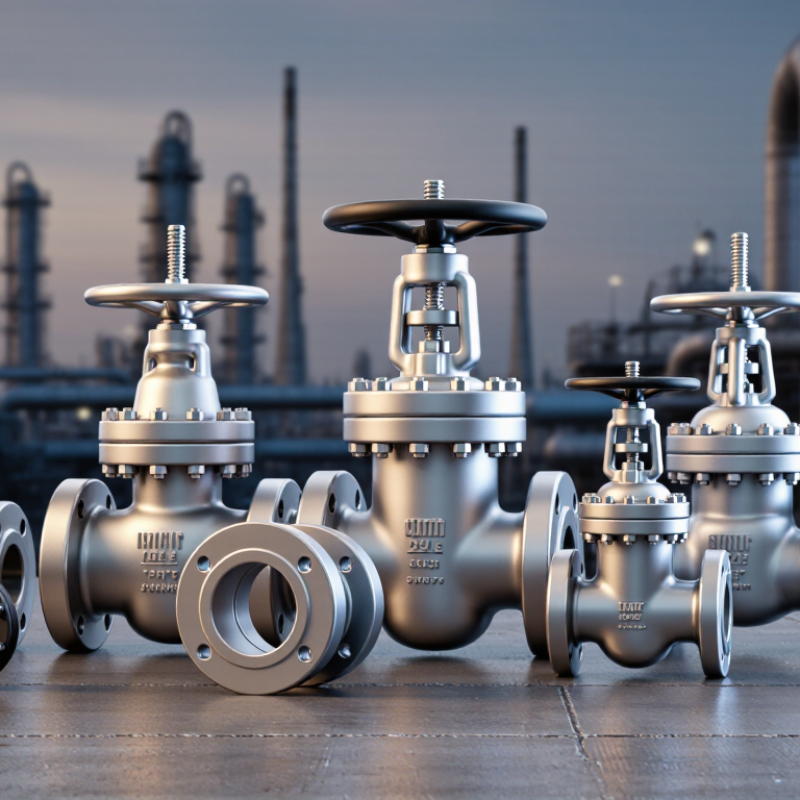
The 10 best oil and gas valve manufacturers in 2026 differ most by valve type and application, not by marketing claims. Gate valves suit pipelines because their straight-through passage reduces pressure loss. Ball valves offer fast isolation, especially on gathering lines and export terminals. Globe valves provide finer throttling, but their curved flow path can increase pressure drop.
Each manufacturer shows a different strength. Some focus on forged valves for high-pressure wellhead service. Others specialize in large cast valves for transmission pipelines. Butterfly valves often fit low-pressure utility systems, cooling circuits, and storage facilities because they are lighter and easier to install. Check valves protect pumps and compressors from reverse flow. In process units, control valves need accurate positioning, stable trim, and responsive actuators.
Application changes the buying decision. Sour-gas service requires suitable materials, documented testing, and disciplined inspection. LNG projects demand low-temperature performance and dependable sealing after repeated cycling. Refineries may prioritize fire-safe construction, fugitive-emission control, and maintainability. Strong suppliers normally provide traceable material records, pressure-test reports, and compliance with recognized standards such as API 6D, API 598, and ISO 15848.
The comparison is not perfectly neat. A valve performing well on a pipeline may disappoint in a refinery control loop. Price can mislead, too. A cheaper valve may create higher maintenance costs through leakage, difficult access, or slow spare-part delivery. Field experience still matters. Engineers should review cycle counts, temperature changes, fluid composition, actuator requirements, and actual service history before selecting a manufacturer.
Key Standards, Technologies, and Services to Evaluate
Selecting the 10 best oil and gas valve manufacturers in 2026 requires more than comparing prices. The International Energy Agency’s World Energy Investment 2024 estimates that upstream oil and gas investment will reach about $570 billion. That spending increases pressure on valve suppliers to deliver reliable equipment, documentation, and long service life.
Start with recognized standards. API 6D supports pipeline valve design and testing, while ASME B16.34 addresses pressure-temperature ratings and construction requirements. ISO 15848 is important for fugitive-emission performance. For sour service, verify compliance with NACE MR0175/ISO 15156. Certification alone is not enough. Review test records, material traceability, heat-treatment documents, and independent inspection results.
Technology also matters. Ask whether the manufacturer offers automated diagnostics, low-emission packing, fire-safe designs, and corrosion-resistant materials. The IEA’s Global Methane Tracker 2024 reports that around 75% of methane emissions from fossil fuel operations could be reduced with existing measures. That makes leak detection and valve maintenance commercially important, not merely environmental preferences. Service quality deserves equal attention. Check commissioning support, spare-part availability, response times, and technician training. A perfect spreadsheet does not guarantee field performance. I may still overvalue certificates when installation quality quietly determines the result.
10 Best Oil and Gas Valve Manufacturers in 2026: Key Standards, Technologies, and Services to Evaluate
This editorial evaluation framework allocates 100 points across the main criteria used when comparing oil and gas valve manufacturers. Compliance covers standards such as API 6D, API 607, API 6FA, ISO 15848-1, IEC 61508, and ISO 15156/NACE MR0175. The remaining criteria address operational performance, materials, automation, and lifecycle support.
How to Choose the Right Valve Manufacturer for an Oil and Gas Project
Choosing the right valve manufacturer starts with the project’s operating reality, not a catalogue price. Define pressure class, temperature range, fluid composition, erosion risk, and required service life. For sour gas or offshore service, request documented material control, corrosion testing, and traceability for every pressure-retaining component. Standards such as API 6D, ISO 5208, and applicable process specifications should appear in the technical evaluation.
The market outlook also matters. The International Energy Agency’s World Energy Investment 2024 reported global energy investment above 3 trillion dollars, with clean-energy spending near 2 trillion dollars. Meanwhile, its Oil 2024 report expects global oil demand to level off before 2030. These trends favor manufacturers that can support conventional production, lower-emission facilities, hydrogen-ready systems, and digital monitoring. Ask for evidence, not slogans. Review audited test records, failure statistics, factory capacity, and previous projects with similar pressure and media conditions.
A site visit can reveal more than a polished presentation. Check calibration control, welding procedures, spare-part storage, and final inspection discipline. Confirm delivery performance under realistic schedules. A cheap valve can become an expensive shutdown. Yet the most expensive option is not automatically safest. I would compare total lifecycle cost, including inspection, actuation, replacement, and emergency support. One weakness remains easy to miss: some evaluations overvalue certificates and undervalue field experience. Require both. Manufacturers should explain deviations clearly, even when the answer is uncomfortable.