10 Best Gas Generator Sets for Reliable Backup Power
A blackout rarely arrives at a convenient moment. It may stop a workshop mid-shift, silence a refrigerator, or leave a home office dark while rain taps against the windows. In its 2022 reliability data, the U.S. Energy Information Administration reported that the average electricity customer experienced about 5.5 hours of power interruptions, including major events. That figure is a reminder: backup power is not just about buying equipment. It is about matching capacity, fuel supply, and operating needs.
A Gas Generator Set can provide dependable standby power when the grid fails, but performance depends on careful selection and maintenance. Dr. Massoud Amin, a power-systems resilience researcher, has emphasized the importance of preparing infrastructure to withstand disruptions, rather than relying only on recovery afterward. That principle applies at the equipment level, too. A generator that is undersized, poorly maintained, or difficult to start may not deliver when it matters.
Small details count. Think of the load that must start first, the transfer switch, ventilation, and where fuel can be stored safely. This guide compares 10 gas generator sets for backup use, with attention to output, runtime, controls, and practical ownership considerations. Specifications can look reassuring on paper. Real conditions are less tidy. Use the comparisons as a starting point, then verify each model against your actual loads and installation requirements.
How Gas Generator Sets Provide Reliable Backup Power
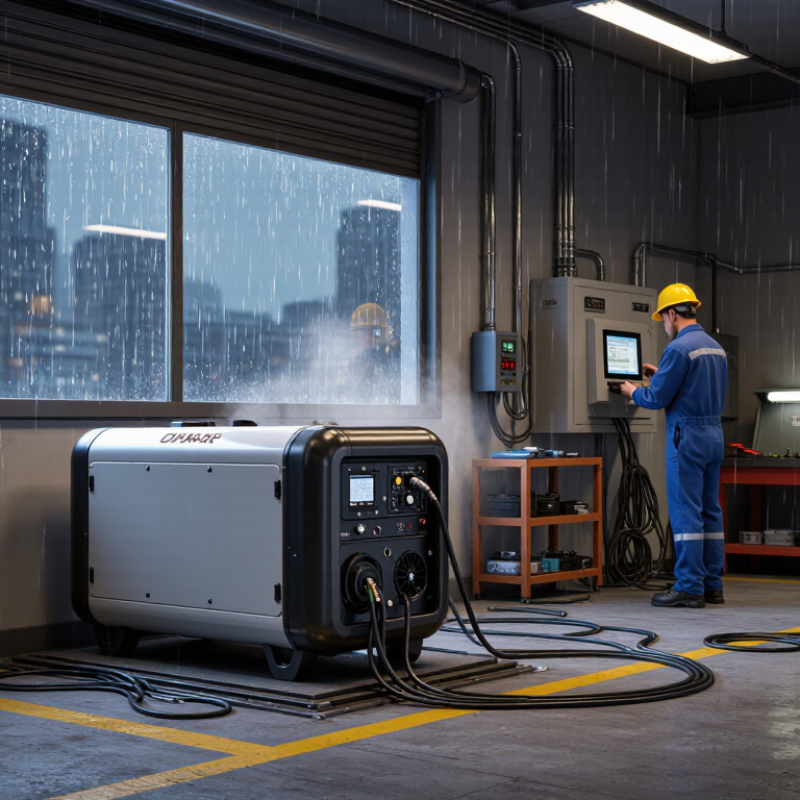
Gas generator sets provide backup power by converting fuel into electricity when the utility supply fails. With an automatic transfer switch, a system can detect an outage, start the generator, and shift selected circuits to backup power. Lights, a refrigerator, and essential equipment can keep running with little interruption.
The fuel supply shapes reliability. A natural-gas connection can support longer outages, but service may be disrupted during some emergencies. Propane stored on site offers more independence, though its tank needs adequate capacity and regular checks. Fuel choice matters.
Correct sizing is just as important. A qualified installer can calculate starting loads, since pumps and compressors often draw extra power when they switch on. A unit that is too small may struggle; one that is oversized can waste fuel. There is no perfect setup.
Maintenance keeps small problems from becoming outage-day surprises. Follow the service schedule, check connections, and test the system under load as directed by the manufacturer. Keep exhaust outlets clear and have electrical and fuel work handled by qualified professionals. A generator can look ready and still fail. That part is easy to overlook.

Key Factors to Consider When Choosing a Gas Generator Set
10 Best Gas Generator Sets for Reliable Backup Power
Key Factors to Consider When Choosing a Gas Generator Set
A dependable gas generator starts with an honest load estimate. List essential circuits, then account for motor-starting surges from pumps, refrigerators, and HVAC equipment. A well pump may draw several times its running current at startup. Size the unit for that brief peak, not just the steady load. Too much capacity can also mean higher purchase and operating costs.
Check fuel supply before comparing output ratings. Natural gas pressure, pipe sizing, and flow must support the generator under full load; a small household line may not. The U.S. EPA’s 2024 Emission Factors for Greenhouse Gas Inventories assigns natural gas a combustion factor of 53.06 kg of CO₂ per MMBtu. Actual emissions per kilowatt-hour depend on generator efficiency and loading. That distinction is easy to overlook.
Site conditions matter. High temperatures and altitude can reduce available output, so check the manufacturer’s derating tables for your location. Confirm transfer-switch compatibility, ventilation clearances, weather protection, and service access. Ask about sound levels at a stated distance, not just “quiet” claims. Keep a maintenance log. And test under load; a neat installation can still reveal a weak battery or an undersized fuel connection.
Ten Gas Generator Sets Compared by Capacity and Features
Compare ten gas generator sets by usable output, starting load, and controls—not peak kilowatts alone. At 5, 7.5, and 10 kW, sets can serve essentials such as refrigeration, lights, and a sump pump. Small loads matter. Fourteen- and 20-kW models provide room for more circuits, with automatic transfer switching and remote status among useful features. At 30 and 50 kW, prioritize motor-starting capacity, weather protection, and service access for homes or small workshops. These are planning bands, not guarantees.
Commercial comparisons often include 100-, 150-, and 250-kW sets, typically offering liquid cooling, three-phase output, and configurable enclosures. At these sizes, paralleling capability and load-bank testing may matter more than a long feature list. Check the natural-gas rating: fuel pressure, altitude, and temperature can reduce delivered output. ISO 8528-1:2018 distinguishes standby, prime, and continuous ratings; compare like with like. That distinction is easy to miss.
Fuel context matters, too. The U.S. Energy Information Administration reported that natural gas supplied 43% of U.S. utility-scale electricity generation in 2023 (Today in Energy, March 2024). That is grid data, not proof of local backup reliability. Before choosing, match starting watts to the largest motor, confirm transfer-switch compatibility, and check service response times. I would give less weight to noise claims without test conditions; your yard may sound different.
Fuel Supply, Installation, and Safety Requirements
A gas generator is only dependable when its fuel supply can meet its full rated demand. Ask a qualified installer to verify the meter, regulator, and pipe sizing under peak load; undersized lines can cause pressure drops and failed starts. For propane systems, confirm tank capacity, regulator specifications, and winter delivery access. Utility gas can also be interrupted during emergencies, so consider whether your site needs another backup plan. Small details matter.
Place the unit outdoors, away from doors, windows, vents, and areas where exhaust could collect. Follow the manufacturer’s clearance requirements and applicable electrical and fire codes, including NFPA 37 where adopted locally. Never run a generator in a garage, even with the door open. The U.S. Consumer Product Safety Commission’s 2023 report estimated an average of about 85 annual carbon-monoxide deaths associated with portable generators during 2017–2019. That risk deserves serious attention, even for standby equipment. Install carbon-monoxide alarms inside the home, and arrange professional commissioning and routine load testing. A missed inspection is easy to regret. Keep the operating manual near the transfer equipment, not buried in a drawer.
Operating and Maintaining a Gas Generator Set
A gas generator set earns trust through routine checks, not a successful start during an outage. The U.S. Energy Information Administration reported an average interruption duration of about 5.6 hours per customer in 2022, excluding major events. That figure makes even brief backup failures worth preventing. Check oil level, coolant, battery terminals, and visible fuel-line damage before scheduled runs. Keep the intake and exhaust clear of leaves, snow, and stored equipment. Small details matter.
Follow the set’s service manual and the applicable NFPA 110 requirements; testing schedules depend on system type and local adoption. Exercise the unit regularly, then record run time, alarms, voltage, and unusual vibration. Test the transfer switch with a qualified technician, so the generator is not merely running while the building remains unpowered. Never ignore a fuel odor or exhaust leak; stop operation and arrange professional inspection. A common blind spot is treating a clean start as proof of readiness. It is not. Load, battery condition, and transfer controls can still fail when needed. Keep records, but review them; a log nobody checks is just paperwork.
10 Best Gas Generator Sets for Reliable Backup Power — Operating and Maintaining a Gas Generator Set
Routine maintenance helps keep a gas generator ready for backup use. The chart shows indicative operating-hour intervals for common checks and service tasks; actual schedules vary by generator and conditions, so follow the owner's manual. Check the oil before each use.