Best Explosion Proof Forklift Manufacturer in China?
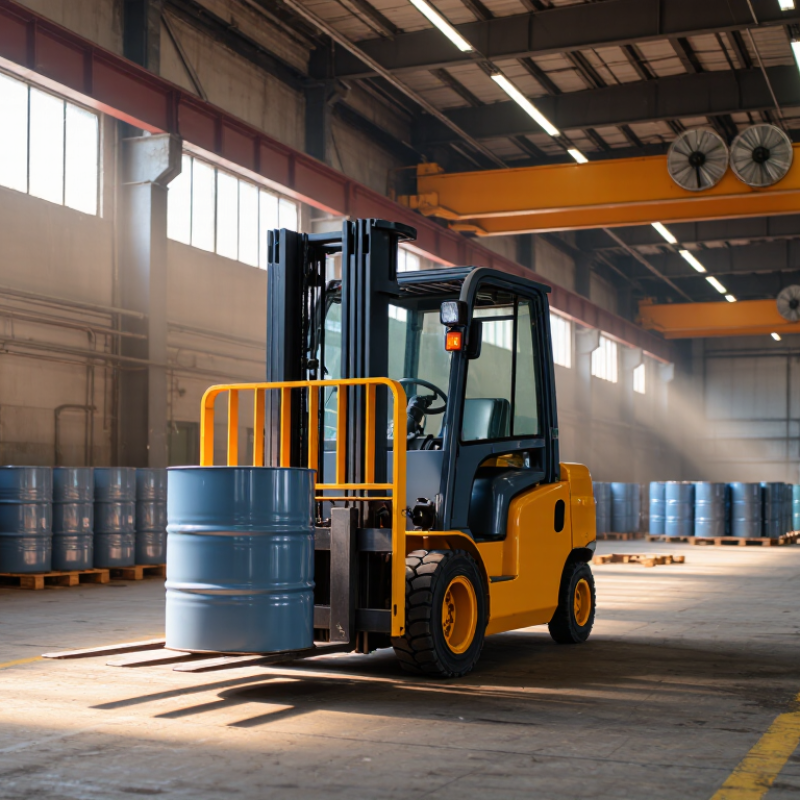
Choosing the best explosion-proof forklift manufacturer in China takes more than comparing prices or polished product photos. An Explosion Proof Forklift is built for defined hazardous work areas, where ignition risks must be carefully controlled. The label alone proves little; protection depends on the truck’s exact configuration and the environment it is intended to serve. Picture a forklift carrying a steel drum through a dusty production bay: safe selection starts with site conditions, not slogans. Small details matter.
This guide examines how to compare Chinese manufacturers through verifiable product documents, engineering capability, and after-sales support. Check whether testing and certificates cover the exact model, attachments, power system, and intended operating conditions—not merely a product family. Ask how the supplier addresses rated load, braking, electrical enclosures, maintenance access, and replacement-part availability. Clear answers should be supported by records, not sales assurances. Requirements vary by site and market, so qualified technical review is essential.
No single factory is automatically the best for every warehouse, chemical process, or dusty workshop. A dependable comparison weighs intended use, documented protection, build quality, lead times, and service response. Some specifications may look impressive yet remain difficult to verify; that is a reason to pause and ask better questions. The sections ahead offer a practical way to assess manufacturers, spot gaps, and shortlist suppliers with evidence.
What Is an Explosion-Proof Forklift?
An explosion-proof forklift is built for workplaces where flammable gases, vapors, or combustible dust may ignite. Its electrical and mechanical components are designed to reduce ignition risks. Depending on its certification, protection may include sealed enclosures, controlled surface temperatures, and measures that prevent sparks from reaching the surrounding atmosphere. The truck must match the specific hazard; “explosion-proof” does not mean suitable for every hazardous area.
OSHA’s powered industrial truck guidance cites an Industrial Truck Association estimate of about 85 forklift-related deaths and 34,900 serious injuries each year in the United States. These figures are broad, older estimates, not counts of explosion-related incidents. They still underline why equipment selection and operator training matter. Standards such as NFPA 505 and the IEC 60079 series help define classifications and protection requirements. Check the truck’s certification against the site’s gas or dust classification, temperature limits, and operating conditions.
Look closely at practical details: protected wiring, brakes, tires, battery systems, and maintenance procedures. Small mismatches matter. A truck certified for one atmosphere may not suit another, even if both areas appear similar. A label alone is not enough; verify the documentation with a qualified safety professional. I would also review how often the truck enters the hazardous zone. That step is easy to overlook.

How Explosion-Proof Forklifts Prevent Ignition in Hazardous Areas
An explosion-proof forklift is not simply a standard truck with sealed switches. It is configured for a defined gas or combustible-dust hazard. Certified enclosures help contain internal ignition, while protected wiring and controlled surface temperatures reduce potential ignition sources. Brakes, battery systems, and tires must also suit the truck’s specification. The exact configuration should match the site’s hazard classification. A mismatch can leave a weak point. Easy to miss.
The U.S. Chemical Safety Board’s 2006 Combustible Dust Hazard Study tracked incidents from 1980 through 2005. It recorded 281 incidents, 119 deaths, and 718 injuries. These figures cover combustible-dust incidents, not forklift-caused events, but they show why ignition control matters. On site, check the truck’s certification against the actual atmosphere, then inspect cables, connectors, and enclosure seals for damage. Dust on a warm motor casing deserves attention, too. Routine checks help, but they cannot replace the correct truck specification. That distinction is not always obvious.
| Hazard or Design Dimension | How Ignition Could Occur | Explosion-Protection Approach | What to Verify Before Use |
|---|---|---|---|
| Hazardous-area classification | Flammable gas, vapour, or combustible dust may be present during normal operation or under abnormal conditions. | Select equipment certified and marked for the specific hazardous area and substance. Gas zones are commonly designated Zone 0, 1, or 2; dust zones are designated Zone 20, 21, or 22. | Confirm the site zone, gas or dust group, required temperature class or maximum surface temperature, and the forklift’s complete certification marking. Do not assume one truck suits every zone. |
| Electrical components | Switching, damaged wiring, or a component fault can produce an arc, spark, or hot surface. | Depending on the certified design, protection may use flameproof enclosures, increased safety, intrinsic safety for suitable circuits, or dust protection. | Check that the protection concept and component ratings match the equipment certificate and the site classification. IEC 60079 standards cover different types of protection. |
| Battery and charging | Electrical faults, exposed connections, or charging-related heat and gases can create ignition risks. | Use the specified battery, protected connections, and approved charging arrangements. Charging may need to take place outside the classified area, depending on the site rules and equipment approval. | Follow the manufacturer’s instructions and site procedures for battery removal, charging, inspection, and replacement. Confirm that any replacement battery is approved for the truck configuration. |
| Motors, brakes, and drive system | Electrical faults, friction, or excessive operating temperatures can provide an ignition source. | Use components and temperature controls included in the certified truck design; maintain brakes, motors, and drive components to the specified condition. | Review the certification scope and maintenance instructions. Do not modify, replace, or repair protected components with unapproved parts. |
| Static electricity | Charge can accumulate on the truck, tyres, operator, or load and discharge as a spark in some environments. | Where required by the risk assessment and equipment design, use appropriate static-dissipative components and bonding or grounding measures. | Check the site’s static-control requirements and verify that tyres and other specified components have the required properties. Conductive or dissipative measures must be suitable for the operating surface and area. |
| Hot surfaces and combustible dust | Dust deposits or hot equipment surfaces can ignite combustible dust or contribute to a dust explosion. | Dust-protected equipment limits dust ingress and controls surface temperatures in accordance with its certified design. | Confirm the dust group and permitted surface temperature. Keep the truck clean using approved methods; accumulated dust can affect both safety and cooling. |
| Mechanical impact and sparks | Impact between materials, forks, or truck parts may create sparks or heat, depending on the materials and conditions. | Use the truck and attachments specified for the task; manage operating speed, loads, and contact with surrounding equipment. | Assess the material being handled, attachment compatibility, and impact risks. A truck’s electrical certification alone does not eliminate every mechanical ignition source. |
| Certification and workplace controls | A truck used outside its approved conditions, or maintained incorrectly, may no longer provide the intended protection. | Match equipment selection to the workplace risk assessment and keep the truck within its certified configuration and operating limits. | Verify applicable approval documents and markings, operator training, inspection records, maintenance procedures, and site-specific controls. ATEX equipment requirements and workplace requirements are addressed separately under applicable EU directives. |
Which Safety Standards Apply to Explosion-Proof Forklifts in China?
In China, explosion-proof forklifts should be assessed against GB/T 19854-2018, the national standard for industrial trucks used in explosive atmospheres. Electrical components may also need to meet relevant parts of the GB/T 3836 series, depending on their protection method. The correct configuration depends on the site’s classified zone, gas or dust group, and required temperature class. A certificate alone is not enough; check that its scope covers the complete truck and the intended working conditions.
The risk is not theoretical. OSHA’s Powered Industrial Trucks guidance cites estimates of 85 forklift-related deaths and 34,900 serious injuries each year in the United States. These figures are not China-specific, but they underline why selection, inspection, and operator training matter. Buyers should compare the truck’s marking and certification documents with the site hazard assessment, then confirm current standard editions with qualified local assessors. I have seen teams focus on the Ex label and overlook attachments or maintenance changes. That deserves a second look.
Tips: Match the truck’s gas or dust rating to the actual zone. Keep the certificate, inspection records, and maintenance history together. Check attachments before use.
How to Evaluate Explosion-Proof Forklift Manufacturers in China
Evaluating an explosion-proof forklift manufacturer in China starts with the exact work environment. Define the hazardous area, material handled, load capacity, lift height, and daily operating hours. Details matter. A forklift suited to one classified area may not suit another.
Ask for evidence, not broad claims. Request certificates and test records for the specific forklift model and configuration, including its electrical system, motor, brakes, and battery arrangement. Confirm that documents match the machine’s serial number and intended operating area. Requirements can differ by destination, so have a qualified safety professional verify suitability before purchase. A brochure is not proof.
Review how the manufacturer controls production. Look for traceable component records, inspection steps, and documented checks on finished machines. Ask who handles commissioning, operator training, spare parts, and repairs, and how quickly support is available. A factory visit or live video inspection can reveal practical details, such as assembly records and test equipment. No checklist is perfect. I would also ask what the forklift is not designed to do; a clear limitation is more useful than a sweeping promise.
What Factors Help Identify the Best Manufacturer for Your Needs?
Choosing an explosion-proof forklift manufacturer starts with the actual hazard, not the brochure. Map the operating area, materials, shifts, and required load before comparing models. Ask the manufacturer to identify the equipment’s certified gas or dust group, temperature class, and permitted hazardous-area classification. Check that certificates cover the exact model and configuration, including battery and attachments. A certificate for a similar machine is not enough.
NIOSH’s 2001 report, Preventing Injuries and Deaths of Workers Who Operate or Work Near Forklifts, estimated about 100 forklift-related deaths and 20,000 serious injuries each year in the United States. The figures are historical, not a current forecast, but they underline why safety evidence matters. Request independent test records, clear maintenance intervals, and training materials. Small details matter. Inspect welds, cable glands, warning labels, and the finish around electrical enclosures; ask how replacement parts retain the original protection.
After-sales support also needs proof. Confirm technician response times, spare-parts availability, and whether service staff are trained for the specified equipment. Ask for a sample inspection checklist and a written warranty scope. A limitation: no supplier can confirm suitability from a product sheet alone. Share site conditions and have a qualified safety professional review the proposed configuration before purchase.