Top 10 Benefits of Using Wire for Thermal Spray Applications?
The use of Wire for Thermal Spray has become increasingly significant in various industries. Thermal spraying is a vital process for enhancing the surface properties of many materials. According to a recent report by MarketsandMarkets, the thermal spray market is projected to reach $9.4 billion by 2025, driven by advancements in technology and growing demand for protective coatings.
Wire for thermal spray offers numerous advantages. It allows for improved adhesion and better control during the spraying process. Studies indicate that using wire instead of powder significantly reduces the variability in coating thickness. Moreover, the efficiency of wire feed systems leads to decreased waste material and lower overall costs.
However, challenges exist in selecting the right wire type for specific applications. Variability in wire composition can impact performance, requiring careful assessment by engineers. As industries adopt these technologies, understanding the benefits of wire for thermal spray is crucial for optimizing results and enhancing longevity in applications. Balancing performance with cost remains critical as this sector develops further.
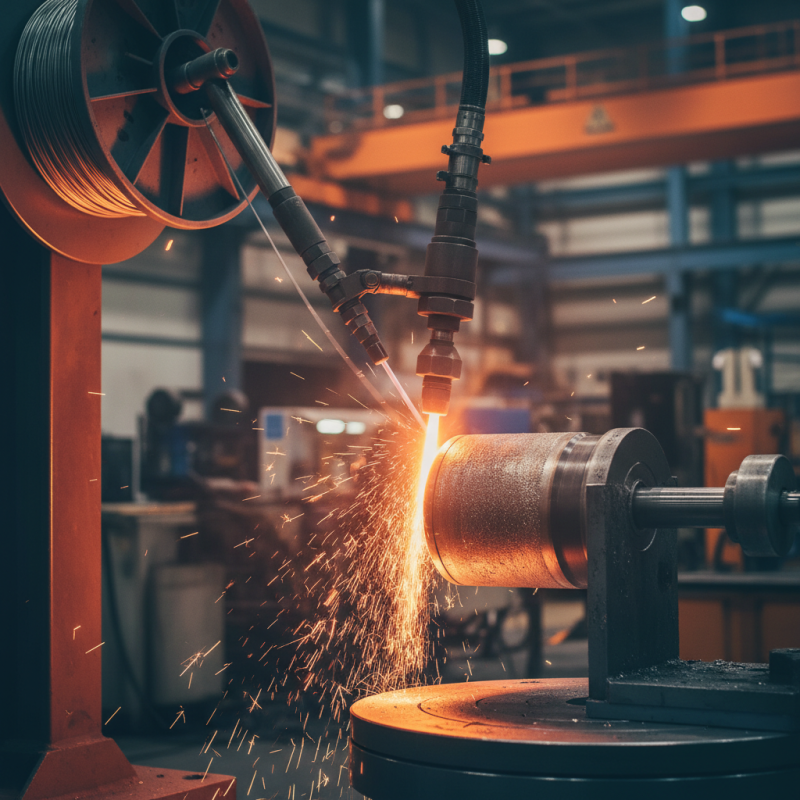
Key Advantages of Wire in Thermal Spray Technology
In the realm of thermal spray technology, using wire presents distinct advantages. One key benefit is the ease of handling during the spraying process. Wire feeds can reduce material waste, contributing to a more efficient operation. A recent industry report highlighted that utilizing wire can cut costs by up to 15% compared to other materials. This efficiency is particularly relevant in sectors like aerospace and automotive, where precision and performance are critical.
Another critical advantage of wire in thermal spray applications is quality control. Wire-fed systems offer consistency in coating thickness. A study noted that variations in thickness can lead to performance issues, which wire systems can minimize. Improved control leads to reliable outcomes, essential for industries that demand high standards.
Tip: Regularly calibrating your wire feeding system can enhance accuracy and reduce defects. Persistent inspection helps maintain quality.
Furthermore, wire's versatility in material selection provides a significant edge. Different wire materials can suit specific applications, from wear resistance to thermal insulation. Yet, not all wires perform equally in every scenario. Awareness of the right wire choice can avoid costly mistakes.
Tip: Evaluate specific application requirements before selecting wire material. This consideration is crucial for optimal performance.
Enhanced Coating Properties with Wire Application
Thermal spray applications benefit significantly from using wire. The wire form allows for better control during the coating process. This precision enhances the coating's adhesion to the substrate, improving durability and performance. Enhanced coating properties result in better wear resistance and corrosion protection.
Coating quality is critical. An inconsistent wire feed can lead to uneven coatings. Operators must ensure the wire is clean and free from contaminants. Regular maintenance of the spray equipment will also contribute to better outcomes.
Tips: Monitor the temperature closely during the spraying process. Incorrect temperatures can lead to defects and poor bonding. Always test the wire before full application to ensure compatibility. Regular inspections of coating thickness can help identify issues early.
Top 10 Benefits of Using Wire for Thermal Spray Applications
| Benefit | Description |
| Enhanced Coating Quality | Wire provides a consistent feed rate that leads to uniform coating thickness. |
| Material Versatility | Allows for the use of a wide range of materials, including ceramics and metals. |
| Improved Adhesion | Wire sprays lead to better substrate bonding compared to other feedstock. |
| Reduced Waste | Efficient material usage results in less waste generation during the spraying process. |
| Higher Deposition Rates | Faster application with higher deposition rates helps reduce spraying time. |
| Customizable Coatings | Wire can be produced with specific alloy compositions tailored for applications. |
| Lower Operating Costs | Reduced costs associated with material and less need for post-coating treatments. |
| Enhanced Process Control | More control over process parameters leads to more predictable results. |
| Fewer Surface Defects | Wire spraying minimizes occurrences of defects like porosity and cracks. |
| Scalability | Wire spray processes can be easily scaled for different production volumes. |
Cost-Effectiveness of Wire Usage in Thermal Spraying
The cost-effectiveness of using wire in thermal spraying applications cannot be overstated. Reports suggest that wire forms often incur lower material costs compared to powder. For instance, wire can reduce wastage by up to 30% due to its precise application process. This precision means less material is needed, leading to significant savings in large-scale projects.
Consider that the average cost per kilogram of wire can be about 10-15% lower than that of powder. This reduction not only lowers initial investment but also decreases maintenance costs. Over time, the savings accumulate significantly, allowing companies to reallocate funds to other vital areas.
**Tip:** Calculate the potential savings before choosing materials. It may reveal that wire is not just cheaper but also offers consistent performance.
Another consideration is the energy efficiency of wire-based thermal spray processes. Studies indicate that wire systems use 20-40% less energy during operation compared to their powder counterparts. This efficiency not only lowers operating costs but also minimizes environmental impact.
**Tip:** Assess energy consumption alongside material costs for a fuller picture. It’s easy to overlook these details amidst all the numbers, but they are equally important for decision making.
Ultimately, while both wire and powder have roles in thermal spraying, the advantages of wire in terms of cost and resource efficiency make it a compelling choice for many applications. Balance the benefits with your specific requirements to find the best fit.
Top 10 Benefits of Using Wire for Thermal Spray Applications
Improved Process Control and Precision in Thermal Spray
In thermal spray applications, wire features significantly enhanced process control and precision. Industry reports show that using wire instead of conventional feedstock improves deposition rates by up to 20%. This efficiency is critical in sectors such as aerospace and automotive, where precise material application is vital. Accurate thickness control leads to better performance and durability of coatings.
Wire allows operators to fine-tune spray parameters easily. By adjusting speed, feed rate, and temperature, more consistent results can be achieved. Research shows variations can easily lead to defects in the coating. Therefore, precision is an essential advantage of wire usage. Furthermore, compared to powder, which may scatter more during application, wire provides a more focused and directed spray, reducing waste.
Tip: Regularly calibrate your thermal spray equipment to maintain optimal control. Consistency is key for high-quality results. Small adjustments can lead to significant improvements. Another tip: invest in training for operators. Skilled workers can better utilize these advanced techniques, maximizing process efficiency. Precision in thermal spray applications is not just an option; it is a necessity for achieving long-lasting results.
Versatility of Wire for Various Thermal Spray Materials
Wire in thermal spray applications offers remarkable versatility. This adaptability allows users to employ various materials, enhancing the effectiveness of their projects. Steel, ceramic, and tungsten wires can all be utilized, depending on specific requirements. For example, steel is effective for wear resistance, while ceramics can provide thermal insulation. Each material serves unique functions in different contexts.
Working with wire can present challenges. Finding the right wire for a specific application can be daunting. Performance varies based on the environment. Factors such as temperature and surface preparation play critical roles. Users should continually assess their results. Adjustments in technique may be necessary to optimize outcomes. It's important to experiment and refine methods over time.
Flexibility in application methods is another benefit. Different spraying techniques can work with wire, from high-velocity oxygen fuel to plasma spraying. Each method has characteristics suited to distinct materials. Understanding these can significantly impact the project quality. Users need to stay informed about advancements in technology and processes. This knowledge helps in making better decisions for future projects.