Top 10 Benefits of PDLC Film for Global Buyers?
PDLC Film, or Polymeric Diode Liquid Crystal Film, is revolutionizing industries worldwide. This innovative film technology offers a wide array of benefits, making it a game-changer for global buyers. Its unique ability to switch from transparent to opaque provides privacy and UV protection, enhancing personal spaces without sacrificing style.
The versatility of PDLC Film is striking. It is used in various applications, including commercial, residential, and automotive sectors. This film not only enhances aesthetics but promotes energy efficiency. Additionally, it easily integrates with smart technology, making it a favorite in modern designs. Buyers are increasingly drawn to its myriad benefits. However, challenges like installation and maintenance requirements exist.
Understanding these pros and cons is vital for consumers. Familiarity with the benefits of PDLC Film can help buyers make informed decisions. This knowledge empowers them to invest wisely in the future of their spaces. As the popularity of PDLC Film grows, it’s crucial to evaluate its advantages and limitations critically.
Top Benefits of PDLC Film in Architectural Applications
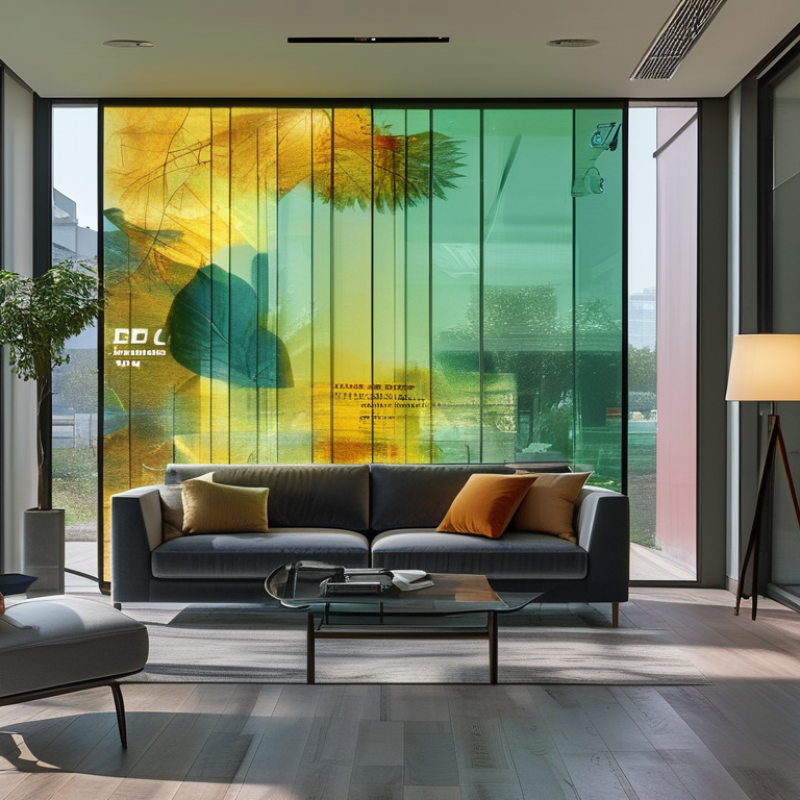
PDLC (Polymer Dispersed Liquid Crystal) film brings unique advantages to architectural applications. This innovative technology allows instant transition between transparent and opaque states. In commercial buildings, PDLC can enhance privacy without sacrificing natural light. It can be applied to conference rooms, glass partitions, and even exterior windows. The flexibility of PDLC film makes it a popular choice for modern designs.
When integrating PDLC film, consider the specific needs of the space. Ensure that the installation complements the architecture while addressing privacy concerns. It is important to evaluate how the film will be used. For instance, in public areas, think about foot traffic and the required level of transparency.
Another aspect to ponder is maintenance. While PDLC film is generally durable, it may require careful cleaning. Avoid abrasive materials that could damage the surface. Regular maintenance can extend the film’s lifespan and maintain its aesthetic appeal. Understanding these details can help maximize the benefits of PDLC in architectural projects.
Cost-Efficiency of PDLC Film Compared to Traditional Glazing Solutions
PDLC (Polymer Dispersed Liquid Crystal) film has gained attention for its cost-efficiency compared to traditional glazing solutions. This innovative film offers a dynamic method of controlling light and privacy without the hefty price tag. Many commercial spaces utilize PDLC for its energy-saving potential, allowing owners to reduce costs over time. By switching from standard glazing to PDLC, users can enjoy a flexible environment that meets their specific needs.
One key advantage is its ease of installation. Unlike traditional glass, PDLC film can be applied directly to existing surfaces, minimizing labor and material costs. Moreover, the film’s energy efficiency can lead to decreased heating and cooling expenses. As a result, businesses can allocate funds to other crucial areas while enjoying enhanced aesthetics. However, initial costs may deter some buyers, prompting a need for careful financial analysis.
Reliability is often cited by industry professionals when discussing PDLC film. Yet, it may lack the durability of traditional glazing in certain applications. Buyers must consider the specific requirements of their projects. With this in mind, choosing PDLC is not just about current savings; it's also about future adaptability and sustainability.
Energy Efficiency: How PDLC Film Reduces HVAC Expenses
PDLC (Polymer Dispersed Liquid Crystal) film has gained traction for its numerous advantages in energy efficiency, particularly in reducing HVAC expenses. A report from the U.S. Department of Energy states that proper window treatments can decrease energy costs by up to 25%. PDLC film can switch from opaque to clear, allowing for better control of natural light and heat. This means buildings can minimize their reliance on artificial lighting and air conditioning.
When applied to windows, PDLC film can create a dynamic barrier against solar heat. Studies show that buildings with PDLC film can reduce peak cooling energy loads by approximately 30%. This directly translates to lower HVAC operation costs and reduced environmental impact. Choosing PDLC film is a strategic move for energy-conscious buyers.
Tip: Ensure your building is professionally assessed to maximize the energy-saving benefits of PDLC film.
Installation of PDLC film requires careful planning. Factors such as window orientation and local climate can affect performance. For the best results, consider conducting energy modeling to forecast savings accurately.
Tip: Regularly evaluate the effectiveness of the PDLC film to ensure optimal performance over time. This can highlight areas for improvement, aligning with sustainability goals.
Enhancing Privacy and Security with PDLC Technology
Privacy and security remain top concerns in today’s digital age. PDLC (Polymer Dispersed Liquid Crystal) film technology enhances these aspects significantly. PDLC film can switch from transparent to opaque with just a flick of a switch. This ability allows users to create instant privacy in offices, homes, and public spaces.
According to a recent market report, the demand for PDLC technology is anticipated to grow by 25% in the upcoming years. High confidentiality is crucial, particularly in healthcare and finance sectors. By employing PDLC film, sensitive information can remain safeguarded from prying eyes. The film can also reduce heat and glare, making spaces more comfortable.
Tips: Consider integrating PDLC film into conference rooms for enhanced discussions. It can provide instant privacy when needed, without sacrificing aesthetics. Evaluate the long-term cost-effectiveness of PDLC installations in your projects. Flexibility is vital, but some users may find the switch functionality inconsistent. Monitoring this can ensure optimal performance and satisfaction.
Trends in PDLC Film Adoption Across Global Markets
The adoption of PDLC (Polymer Dispersed Liquid Crystal) film is on the rise across global markets. A recent report highlights that the PDLC film market is expected to reach $3 billion by 2027, growing at a CAGR of 15.2%. This growth is driven by the increasing demand for privacy glass solutions in both residential and commercial sectors. Markets in North America and Europe are leading this trend, fueled by advancements in smart home technologies.
In Asia-Pacific, the uptake of PDLC film is notable due to rapid urbanization. Large construction projects are increasing, and with them, the demand for innovative materials. Clear benefits include easy installations and energy efficiency. However, challenges remain. The initial costs can be high, which deters some potential buyers. Moreover, technical issues related to durability and responsiveness are under scrutiny.
Industry experts suggest that overcoming these hurdles will enhance adoption rates. Companies are investing in research to improve the film's lifespan and functionality. By addressing these issues, the market can realize its full potential. As PDLC technology evolves, it will likely reshape the way we think about privacy and space in various environments.