What are the Benefits of Carbide Wear Plates for Industry?
carbide wear plates are essential components in various industrial applications. Their unique properties make them highly effective in reducing wear and tear. Industries face severe challenges due to equipment degradation caused by abrasive materials. This often leads to increased maintenance costs and downtime. Carbide wear plates offer a durable solution, extending the life of machinery.
Reliable performance is critical for any operation. The hardness and resistance of carbide wear plates ensure longevity in harsh environments. Companies need to invest in materials that can withstand stress and high temperatures. As a result, carbide wear plates enable smoother operations and less frequent replacements. They also contribute to efficiency, improving overall productivity.
Despite their benefits, selecting the right carbide wear plates requires careful consideration. Not all applications may require the same type of wear plate. Businesses should evaluate their specific needs before making a choice. Understanding the nuances of material properties can lead to better performance outcomes. Therefore, taking a balanced approach is essential in making these decisions.
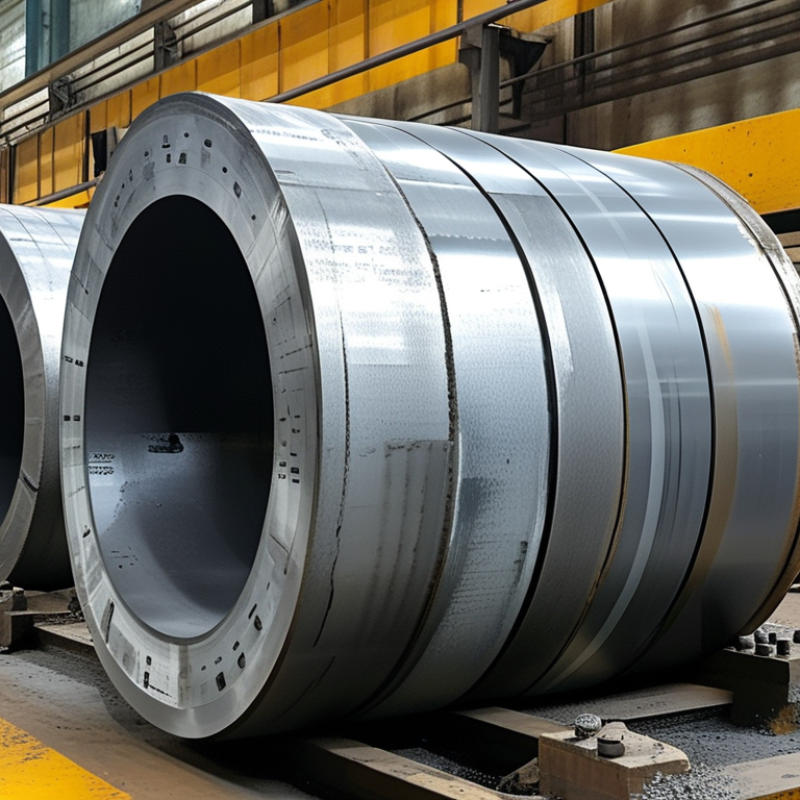
Benefits of Carbide Wear Plates: Durability and Longevity in Industrial Settings
Carbide wear plates are increasingly essential in industrial applications due to their remarkable durability and longevity. These plates are composed of tungsten carbide, which is known for its impressive hardness. Research indicates that tungsten carbide can be 3 to 5 times harder than steel. This hardness significantly reduces wear and tear, especially in abrasive environments. For industries like mining and manufacturing, where equipment faces constant friction, carbide wear plates can drastically extend the life of machinery.
The benefits of carbide wear plates also extend to maintenance cost reductions. In a study by the American Society of Mechanical Engineers, it was reported that machinery downtime could be reduced by 30% with the use of high-quality wear materials. This translates to substantial savings for companies. Breaking this down, if a manufacturing plant saves just 100 hours a year on maintenance due to fewer replacements, those savings can be reinvested into other areas.
Despite these advantages, the initial investment for carbide wear plates can be a drawback. Some manufacturers may hesitate, considering them more expensive than traditional alternatives. However, the long-term savings often outweigh upfront costs. Companies must evaluate these trade-offs carefully. Balancing initial expenses with long-term benefits requires strategic planning and insights into specific operational needs.
Enhanced Performance: Reduced Friction and Improved Efficiency with Carbide
Carbide wear plates are gaining attention in various industries. They offer significant advantages, particularly in performance. One major benefit is reduced friction. This property leads to smoother operations in machinery. Less friction means that parts experience less wear and tear over time. Consequently, maintenance can be minimized, allowing for longer intervals between repairs.
Moreover, carbide wear plates enhance efficiency. They contribute to reducing energy consumption during operations. With improved performance, equipment runs more smoothly. This ultimately translates to higher productivity levels. However, it's worth noting that while carbide wear plates bring numerous benefits, the initial investment can be substantial. Companies must weigh the future savings against the upfront costs.
The transition to carbide wear plates should not be taken lightly. Training staff on proper handling and installation is crucial. If mishandled, these plates may not perform as expected. Additionally, not every application may necessitate carbide. Industries should assess their specific needs before making a switch. In essence, while the benefits are clear, careful consideration and planning are essential for successful integration.
What are the Benefits of Carbide Wear Plates for Industry?
| Benefit | Description | Impact on Efficiency |
| Reduced Friction | Carbide wear plates are designed to minimize friction between contacting surfaces, thereby enhancing performance. | Lower friction leads to less energy consumption and longer equipment life. |
| Increased Durability | Carbide materials are resistant to wear and tear, significantly extending the lifespan of machinery. | Increased durability reduces downtime and maintenance costs. |
| Improved Load Bearing | Carbide wear plates can withstand heavy loads without deformation. | Improved load-bearing capability enhances overall operational efficiency. |
| Resistant to Corrosion | Carbide materials are less susceptible to chemical corrosion compared to traditional metals. | Resistance to corrosion leads to prolonged service in harsh environments. |
| Cost-Effectiveness | Although initial costs may be higher, the long-term savings from reduced maintenance and replacement outweigh these costs. | Cost-effectiveness improves budget allocation for industrial operations. |
Cost Savings: Lower Maintenance and Replacement Costs of Wear Plates
Carbide wear plates have become essential in various industries due to their durability. One of the primary benefits is cost savings. Research shows that businesses can reduce maintenance costs by over 30% when implementing carbide wear plates. Their resistance to wear and tear means fewer replacements, lowering operational expenses significantly.
Wear plate longevity can lead to production efficiency. In industries like mining and construction, equipment uptime is critical. When wear plates have a longer life, machinery operates more smoothly. Some reports indicate that companies experienced up to a 50% decrease in downtime after switching to carbide wear plates. This directly translates to increased productivity and profits.
Tip: Regularly inspect wear plates to identify signs of wear early. This proactive approach can prevent costly replacements.
While carbide wear plates offer numerous advantages, they can have a higher upfront cost. It's vital to perform a detailed cost-benefit analysis before making the switch. Consider all factors, including labor, equipment downtime, and maintenance schedules. Making informed decisions can lead to better outcomes.
Tip: Evaluate the specific materials and conditions in your application. This will help ensure you choose the right solution for your needs.
Application Diversity: Versatility of Carbide Wear Plates Across Industries
Carbide wear plates have gained immense popularity across various industries due to their unique versatility. These plates are designed to withstand extreme conditions, making them suitable for diverse applications. Mining, construction, and manufacturing, to name a few, benefit from their durability and resilience. The ability to endure wear and tear in harsh environments is invaluable. However, not all applications may experience the same level of effectiveness.
In the mining sector, carbide wear plates protect equipment from abrasive materials. They significantly extend the lifespan of machinery, reducing downtime. The construction industry also relies on these plates for tough jobs. They can resist impact and erosion, enhancing the performance of heavy machinery. Yet, it’s essential to evaluate specific requirements carefully. Misjudgments in thickness or dimensions could lead to suboptimal outcomes.
Moreover, manufacturing processes benefit from carbide plates in various ways. They can handle materials with high friction, contributing to overall efficiency. However, the cost of these plates is higher than standard options. Organizations should weigh the initial investment against potential savings from reduced equipment failures. While the advantages are clear, understanding the limits and challenges of carbide wear plates is crucial for optimal use. This reflective approach can lead to more informed decisions in their application.
Safety and Reliability: Minimizing Downtime with High-Quality Wear Solutions
In industrial settings, wear and tear are inevitable. Wear plates made from carbide offer significant advantages. They are designed to withstand extreme conditions. This reliability is crucial for maintaining operational efficiency. High-quality carbide wear plates significantly minimize the risk of unexpected failures. Businesses can avoid costly downtimes when using durable wear solutions.
Safety is paramount in any industrial application. Using carbide wear plates enhances safety by reducing the number of breakdowns. Workers are less exposed to hazardous situations when equipment functions smoothly. Moreover, these wear plates remain effective under heavy stress, meaning fewer replacements are needed. This translates to lower maintenance costs over time.
However, it's also vital to evaluate the conditions these plates will face. Not every application may benefit equally from carbide plates. Misjudgment in material choices can lead to performance issues. Therefore, careful analysis and planning are essential. Relying on expert consultations can help ensure the right choice for specific environments. Balancing quality and application is critical for the best outcomes.
Benefits of Carbide Wear Plates for Industry
This chart illustrates the key benefits of using carbide wear plates in industrial applications. As shown, increased durability tops the chart, making these solutions essential for minimizing downtime and improving operational reliability. Cost savings and reduced downtime also contribute significantly, alongside improved safety and enhanced performance.