2026 Top Big Scale Casting Trends for Global Buyers?
The landscape of Big Scale Casting is evolving rapidly. Global buyers are increasingly focused on new trends that enhance efficiency and sustainability. Various industries are adapting to modern challenges, pushing for innovations in casting processes.
Experts predict several key trends for 2026. Environmental concerns drive the demand for eco-friendly materials. Advanced technology is also reshaping production methods. Buyers are looking for solutions that maintain quality while minimizing waste.
However, the shift to new practices presents challenges. Companies must navigate the complexities of implementing these trends. Balancing cost and sustainability isn't always straightforward. Engaging with reliable partners is vital in this evolving market.
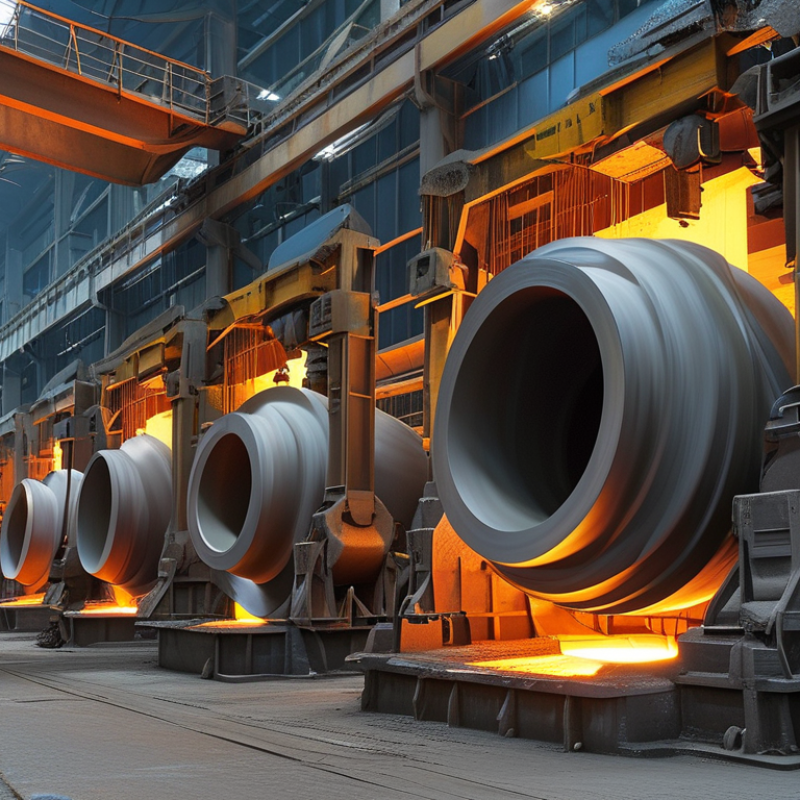
Current Global Casting Market Overview and Projections for 2026
The global casting market is undergoing significant changes. By 2026, the market is expected to reach approximately $200 billion, growing at a compound annual growth rate (CAGR) of 5%. This growth indicates a strong demand for high-quality cast products across various industries, including automotive and aerospace. As manufacturers shift towards advanced production techniques, the need for innovative casting solutions becomes critical.
Several trends are shaping the casting industry. Automation and smart manufacturing are gaining traction. Reports indicate that around 20% of casting facilities are implementing automated processes. This move aims to enhance productivity and reduce labor costs. However, reliance on technology raises concerns. Not all companies are prepared to invest in automation. Smaller players often lack the resources to adapt, leading to disparities within the market.
Sustainability is another focal point. The push for eco-friendly practices is evident. Nearly 25% of manufacturers are exploring recycled materials for casting. This shift reflects a broader commitment to reducing environmental impact. Yet, challenges remain. Many companies struggle to balance cost with sustainability. As the industry moves forward, it will be essential to address these hurdles. The path to 2026 is not without obstacles, but the opportunities are substantial.

Key Technological Innovations Shaping the Future of Large Scale Casting
The future of large-scale casting is evolving rapidly, thanks to significant technological innovations. One major trend is the integration of advanced automation in casting processes. Automation enhances precision and efficiency, reducing errors in production. Robots and AI are now handling intricate tasks, freeing skilled workers for more complex roles.
3D printing also plays a crucial role. It allows for rapid prototyping and the creation of complex geometries that traditional methods struggle with. This technology enables manufacturers to reduce lead times and material waste. However, adapting to 3D printing poses challenges, including the need for specialized training.
Sustainability is driving changes in material selection and casting methods. Recycled materials are gaining popularity, alongside eco-friendly processes. While these advancements show promise, the transition can be slow and requires ongoing investment. Revisiting traditional approaches may be necessary to find the right balance.
Sustainability Trends Impacting Big Scale Casting Practices Globally
The casting industry is witnessing a pivotal shift driven by sustainability trends. Many companies are now focusing on eco-friendly materials and processes to meet growing environmental concerns. This change is not merely about compliance but also about innovation. New technologies are being developed to minimize waste and enhance energy efficiency in casting processes.
Incorporating recycled materials into casting designs is becoming more common. This approach reduces the dependency on virgin resources. However, challenges remain in ensuring the quality and durability of products made with recycled content. Furthermore, there is a shift toward using renewable energy sources in foundries. Manufacturers are exploring opportunities to harness solar and wind energy for their operations.
Despite these advancements, the transition is not without its difficulties. Many organizations face resistance to change due to established practices. Training staff on new sustainability measures can also be a hurdle. Balancing sustainability with cost and efficiency demands careful planning and execution. These factors require ongoing dialogue and collaboration within the industry to foster a truly sustainable casting future.
2026 Global Big Scale Casting Sustainability Trends
Regional Insights: Major Markets for Large Scale Casting in 2026
The global landscape for large-scale casting is evolving. In 2026, significant markets such as North America and Asia-Pacific will dominate this sector. In North America, robust demand from automotive and aerospace industries drives growth. Companies in these regions are investing heavily in advanced casting technologies. This investment translates into improved efficiency and product quality, which is vital for competitive advantage.
Asia-Pacific is witnessing rapid developments as well. Countries like China and India are enhancing their casting capabilities. They focus on modern techniques like 3D printing and computer-aided design. Yet, challenges remain in maintaining consistency and quality amidst fast-paced production. Companies must refine their processes to avoid potential pitfalls, such as material defects.
Europe also plays a crucial role in 2026. The emphasis here is on sustainability and environmental regulations. Manufacturers are exploring eco-friendly casting methods to comply with stringent rules. Balancing sustainability with production demands creates a complex scenario. As buyers look for reliable suppliers, navigating these changes becomes imperative.
Challenges and Opportunities in the Global Big Scale Casting Industry
The global big scale casting industry faces significant challenges and opportunities. According to recent industry reports, market growth is anticipated to reach around 6.5% annually by 2026. This surge is driven by increasing demand in sectors such as automotive, aerospace, and machinery.
One major challenge is the rising cost of raw materials, which has strained manufacturer margins. A study in 2022 indicated that the prices of aluminum and iron have surged over 30%. Manufacturers must streamline operations and optimize supply chains to stay competitive. Moreover, adopting advanced technologies can reduce waste and improve efficiency, offering a potential pathway to resilience.
However, these challenges can yield opportunities for innovation. The shift towards sustainable practices is gaining traction. Many companies are exploring green foundry methods, which reduce emissions and conserve energy. Integrating digital solutions and AI can enhance quality control, driving significant value for producers.
Tips: Embrace data analytics to refine processes. Explore the integration of renewable technologies, which can create long-term savings and improve brand reputation. Consider collaboration with other industry players to share insights and best practices effectively.
2026 Top Big Scale Casting Trends for Global Buyers
| Trend | Description | Challenges | Opportunities |
|---|---|---|---|
| Sustainability | Increasing demand for eco-friendly casting processes. | Higher costs and investment in green technology. | Attracting environmentally conscious customers. |
| Digitization | Integration of advanced technologies such as AI and IoT in casting. | High implementation costs and need for skilled workforce. | Improved efficiency and reduced production time. |
| Customization | Growing need for tailored solutions in casting products. | Increased production complexity. | Ability to cater to niche markets. |
| Automation | Shift towards automated casting processes to enhance productivity. | Initial setup costs and training requirements. | Greater output and consistency in quality. |
| Global Supply Chain Management | Focus on optimizing supply chains for better efficiency. | Logistical challenges and geopolitical risks. | Enhanced competitiveness and market reach. |