2026 Best Sewer Drain Cleaning Equipment for Global Buyers
Choosing the right Sewer Drain Cleaning Equipment can determine service speed, worker safety, and long-term operating costs. Global buyers face different pipe materials, voltage systems, water conditions, and maintenance expectations. A compact electric machine may suit apartment maintenance, while a trailer-mounted water jetter may serve municipal networks. The details matter.
Richard Trethewey, a respected plumbing expert and longtime This Old House technical adviser, often stresses this practical principle: “The right tool makes the job easier, safer, and more reliable.” That idea guides this 2026 equipment overview. Buyers should examine cable diameter, jetting pressure, flow rate, drum capacity, camera compatibility, noise levels, and transport weight. They should also confirm local electrical requirements and parts availability before ordering.
Small differences become expensive quickly. A poorly matched cable can damage fragile lines. An undersized jetter may struggle with hardened grease. Operators need clear controls, protective guards, emergency shutoffs, and realistic training. Manufacturer support matters, especially when equipment crosses borders. Certifications should be checked carefully, not assumed from attractive product pages.
No buying guide is perfect. Field conditions change. Experienced contractors still misjudge access, blockage depth, or pipe strength. That is why this article compares practical performance, not impressive specifications alone. It considers workshops, service vans, construction sites, and municipal crews. The strongest choice is rarely the most powerful machine. It is the equipment that fits the drain, operator, budget, and maintenance plan.
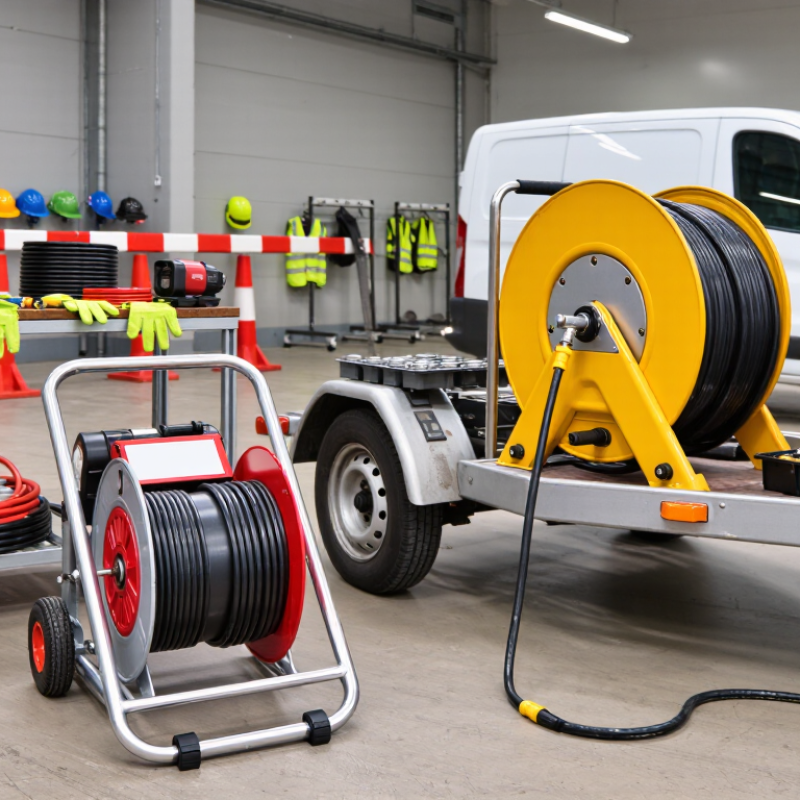
What Sewer Drain Cleaning Equipment Does and Why It Matters
2026 Best Sewer Drain Cleaning Equipment for Global Buyers
What Sewer Drain Cleaning Equipment Does and Why It Matters
Sewer drain cleaning equipment removes blockages, sediment, grease, and roots from collection pipes. It restores flow without immediately replacing underground infrastructure. A jetting unit can push high-pressure water through a narrow line. A mechanical cable machine can break compacted deposits near inspection chambers. Vacuum equipment then removes loosened waste from the pipe and surrounding pit.
The need is substantial. The United Nations SDG 6.3.1 report found that only 56% of domestic wastewater flows were safely treated globally in 2022. Poor maintenance can worsen this gap. The U.S. Environmental Protection Agency’s 2022 Clean Watersheds Needs Survey identified 630.1 billion dollars in water infrastructure needs over twenty years. Cleaning equipment helps operators protect existing assets while funding remains limited.
Good selection depends on pipe diameter, blockage type, access, water supply, and operator skill. A camera inspection before cleaning can reveal cracked joints or displaced sections. That detail matters. More pressure is not always better. Excessive force may damage fragile pipes, especially in older networks. Field crews often need quieter machines, manageable hose lengths, and simple controls near homes or busy streets. Data sheets can look convincing, but actual site conditions remain harder to predict. Mistakes still happen.

Main Equipment Types for Different Sewer and Drain Conditions
2026 Best Sewer Drain Cleaning Equipment for Global Buyers
Main Equipment Types for Different Sewer and Drain Conditions
Choosing sewer drain cleaning equipment starts with the blockage, pipe size, and access point. A compact sectional machine suits indoor drains and narrow service lines. Its flexible cable reaches bends without requiring a large vehicle. Drum machines handle longer runs, but they need careful cable control. Operators sometimes select oversized equipment too quickly. That choice can damage fragile pipes.
Hydro jetters work well against grease, sludge, and loose sediment. Use lower pressure for old clay, cracked concrete, or weakened connections. Root cutters are useful when tree roots repeatedly enter joints. Their cutting heads must match the pipe diameter.
For deep municipal lines, combination vacuum units remove liquid waste and heavy debris efficiently. Inspection cameras improve decisions before and after cleaning. They reveal collapsed sections that cleaning alone cannot repair.
Tips: Check flow rate, working pressure, cable length, and nozzle compatibility. Keep spare hoses and cutting heads available. Test equipment on a controlled section first. Weather matters, too. Cold conditions can stiffen hoses and reduce performance. Local technicians should receive practical training, not only product manuals. Record pipe material, blockage type, and cleaning results after every job. This information supports safer equipment choices later.
How to Compare Cleaning Power, Reach, Safety, and Portability
2026 Best Sewer Drain Cleaning Equipment for Global Buyers
How to Compare Cleaning Power, Reach, Safety, and Portability
Global buyers should compare equipment by measurable performance, not pressure alone. The U.S. Environmental Protection Agency’s 2022 Clean Watersheds Needs Survey estimated 630.1 billion dollars in wastewater infrastructure needs over 20 years. This scale increases demand for reliable drain-cleaning tools. A practical comparison starts with water pressure, flow rate, nozzle design, and cable torque. Higher pressure may remove grease quickly, but flow rate carries loosened debris away. A 60-meter reach can be useful, yet excess hose weight may slow work inside narrow streets. The strongest machine is not always the best choice.
Reach should match pipe diameter, blockage type, and access conditions. Inspectors should check hose flexibility, cable stiffness, and quick-change fittings.
Safety also deserves equal attention. Look for guarded rotating parts, emergency shutoff controls, ground-fault protection, and clear operating instructions. ISO 12100 risk-assessment principles support this approach. Do not treat certification as a substitute for training. That mistake remains common.
Portability matters on sloped roads, wet floors, and crowded service lanes. Wheels, lifting points, noise levels, and fuel or battery logistics can change daily productivity.
Tips: Request test data at several flow rates, not only the maximum rating. Ask for cleaning distance under realistic pipe conditions. Verify spare-part availability in the destination country. Record setup time, operator fatigue, and water consumption during a live trial. A small, balanced unit may outperform a powerful machine that crews avoid carrying.
Global Standards, Maintenance Needs, and Operator Requirements
Choosing sewer drain cleaning equipment in 2026 requires more than pressure and reach.
Global buyers must match machines with local standards, pipe materials, water access, and site conditions. Electrical systems should suit regional voltage, frequency, grounding rules, and documented safety testing. Operators also need clear emergency stops, guarded moving parts, and readable controls. In wet chambers, small design details matter. A sealed control box can prevent costly downtime.
Maintenance planning should begin before purchase.
Ask for service intervals, spare-part availability, cleaning procedures, and technical records. Pumps, hoses, nozzles, filters, reels, and cable systems require different inspections.
After each shift, crews should flush dirty water, check hose covers, and record unusual vibration. Weekly checks can include nozzle wear, oil levels, electrical connections, and wheel brakes.
Keep it simple.
A practical logbook often reveals problems earlier than a dashboard.
Operator requirements vary across regions, but competence should never depend on guesswork.
Training should cover flow control, confined-space awareness, lockout procedures, traffic protection, and safe waste handling. Workers need gloves, eye protection, hearing protection, and equipment-specific instructions.
I have seen teams focus heavily on clearing speed and overlook hose recoil risks. That is an uncomfortable lesson.
Equipment may meet a specification, yet poor training can still create unsafe decisions. Buyers should request demonstrations using realistic pipe diameters, bends, sediment loads, and water limits.
Test records should be traceable, not merely promised.
How to Select the Best Equipment for International Sewer Operations
2026 Best Sewer Drain Cleaning Equipment for Global Buyers
How to Select the Best Equipment for International Sewer Operations
International sewer operations demand more than high pressure and long cables. They require equipment that matches pipe diameter, blockage type, climate, power supply, and local maintenance skills. The United Nations World Water Development Report 2024 states that 3.5 billion people lacked safely managed sanitation in 2022. This gap increases demand for reliable, serviceable cleaning systems.
Begin with the worksite, not the catalog. For narrow residential lines, choose a compact jetting unit with adjustable pressure and flow. Larger municipal networks may need a trailer-mounted system, vacuum recovery, and extended hose capacity. Record pipe materials, access points, average blockage depth, and daily operating hours. A 400-volt machine is unsuitable where only 230-volt power exists. Simple details prevent expensive delays.
Check water consumption carefully. A high-flow pump can clean quickly, but it may strain areas with limited water supply. Select corrosion-resistant components for coastal or humid regions. Ask whether filters, hoses, nozzles, and seals are locally replaceable. The U.S. Environmental Protection Agency’s 2022 Clean Watersheds Needs Survey estimated $630.1 billion in wastewater infrastructure needs over twenty years. That figure supports long-term maintenance planning, not careless purchasing.
Field testing remains essential. A machine may look powerful on paper and still perform poorly in silt-heavy pipes. Request operating data, noise levels, safety controls, and service intervals. No checklist is perfect. Buyers should review failures after each project and revise specifications before the next order.
2026 Best Sewer Drain Cleaning Equipment for Global Buyers - How to Select the Best Equipment for International Sewer Operations
| Equipment Category | Recommended Pipe Diameter | Cleaning Method | Typical Pressure | Typical Flow Rate | Power Configuration | Best Application | International Selection Considerations |
|---|---|---|---|---|---|---|---|
| Portable Electric Drain Cleaner | 40–100 mm | Rotating cable with interchangeable cutters | Mechanical torque; no water pressure | Not applicable | 0.75–1.5 kW electric motor | Indoor drains, sinks, floor drains, and short branch lines | Confirm local voltage, frequency, plug type, grounding, and electrical safety requirements. |
| Compact Water Jetting Machine | 50–150 mm | High-pressure water jetting | 100–250 bar | 15–45 L/min | Electric or small petrol engine | Residential laterals, commercial drains, and grease removal | Check water availability, hose and nozzle standards, noise limits, and operator protection rules. |
| Trailer-Mounted Jetting Unit | 100–300 mm | Continuous high-pressure jetting | 150–300 bar | 50–150 L/min | Diesel or petrol engine | Municipal laterals, road drainage, and longer sewer runs | Evaluate towing regulations, trailer braking, road clearance, tank capacity, and spare-parts access. |
| Truck-Mounted Combination Unit | 150–1200 mm | High-pressure jetting plus vacuum extraction | 100–300 bar | 100–500 L/min | Heavy-duty diesel vehicle and hydraulic system | Large municipal sewers, stormwater lines, and sludge removal | Assess vehicle emissions rules, axle load limits, tank layout, driving side, service network, and import duties. |
| Mechanical Drum Machine | 50–150 mm | Flexible rotating cable | Mechanical torque; no water pressure | Not applicable | 0.5–1.5 kW electric motor | Routine blockage removal in small commercial and residential lines | Prioritize cable containment, ground-fault protection, corrosion resistance, and easy transport. |
| Sectional Cable Machine | 75–300 mm | Interconnected rigid cable sections | Mechanical torque; no water pressure | Not applicable | 1–2.5 kW electric motor | Longer commercial lines and heavy root or scale obstructions | Check cable compatibility, drum or section storage, transport weight, and local electrical certification. |
| Vacuum Excavation and Sewer Suction Unit | 100–1500 mm | Air or liquid vacuum extraction | Vacuum typically 0.4–0.9 bar below atmospheric pressure | Airflow commonly 2,000–10,000 m³/h | Truck-mounted diesel system | Debris, sediment, standing water, and confined-access excavation work | Verify hazardous-area requirements, disposal regulations, tank certification, payload limits, and noise controls. |
| Sewer Inspection Camera System | 50–1200 mm, depending on camera configuration | CCTV visual inspection and locating | Not applicable | Not applicable | Battery or 100–240 V AC power supply | Pre-cleaning assessment, post-cleaning verification, and asset condition surveys | Select compatible video formats, language settings, cable length, geolocation functions, and data-export options. |
Note: Performance ranges are typical industry values for equipment selection and may vary with pump design, nozzle configuration, hose length, pipe condition, elevation, and operating environment. Confirm final specifications against local safety, electrical, emissions, transport, and wastewater-disposal requirements.