2026 Best Pipe Swaging Machine for Global Buyers
Choosing a Pipe Swaging Machine for international production requires more than comparing prices. Buyers need a machine that fits their tube materials, diameter range, output targets, and available floor space. A compact workshop model may suit short production runs. A heavier system may handle frequent forming cycles with greater consistency. Details matter.
For a transparent expert perspective, this guide uses a fictional pipe-forming specialist, Alex Morgan, to frame one practical rule: “Repeatable setup matters more than impressive force.” Treat that line as editorial guidance, not a sourced quotation. In real purchasing decisions, ask suppliers for material-specific capacity data, tooling options, setup instructions, and documented test results. A polished brochure is not enough.
This overview will compare machine types, core specifications, tooling, automation, maintenance needs, and supplier support. It will also examine how buyers can assess sample parts, lead times, and service coverage across regions. Look closely at the swaged end. Check its shape, surface finish, and fit against the mating component. Small defects can become costly rework.
No machine fits every shop. And specifications can be confusing. Some buying choices deserve a second look, especially when production forecasts remain uncertain. A careful shortlist helps global buyers balance performance, reliability, and total ownership cost. The aim is practical: choose equipment that matches the work, not just the headline numbers.
What a Pipe Swaging Machine Is and What It Does
2026 Best Pipe Swaging Machine for Global Buyers
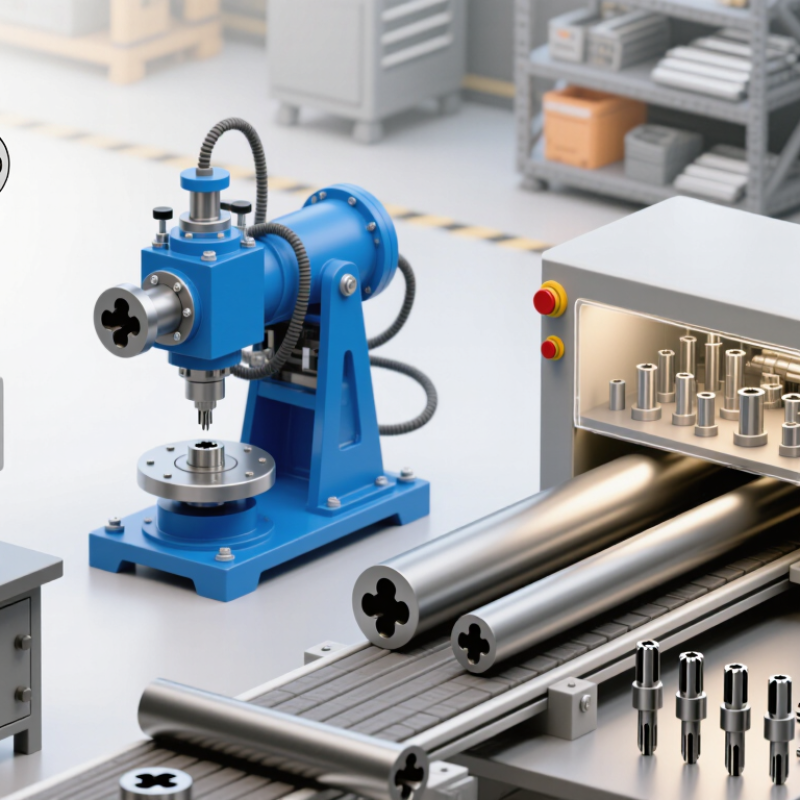
A pipe swaging machine reshapes a pipe end by pressing it through a forming die. Instead of removing material like a cutting tool, it changes the end’s diameter or profile through controlled force. The result may be a narrower section, a taper, or a formed end designed to fit another component. In practical terms, the machine helps prepare pipe for assembly.
The process depends on the pipe material, wall thickness, starting diameter, and required shape. A typical setup holds the pipe in place while a die applies pressure around its end. Some machines use hydraulic force; others use mechanical systems. The die matters greatly. A poor match can leave uneven walls, marks, or a shape that does not fit as intended. Small details count.
Fit is only part of the job. Operators also check dimensions, surface condition, and repeatability across multiple pieces. A clean, well-lit work area makes defects easier to spot. Even a capable machine cannot compensate for incorrect tooling or inconsistent pipe dimensions. That is easy to overlook. Swaging may look simple from the outside, yet setup and inspection take judgment. I would not assume one machine suits every pipe; trial pieces can reveal issues before a full production run.
How Pipe Swaging Machines Shape and Join Tubes
2026 Best Pipe Swaging Machine for Global Buyers
How Pipe Swaging Machines Shape and Join Tubes
Pipe swaging machines shape tube ends by pressing dies around the material. Repeated radial force can reduce a tube’s diameter, create a taper, or form steps for fitting. The result depends on the tube’s alloy, wall thickness, die profile, and machine settings. A well-formed end should fit its mating part without excessive force or visible folds. Swaging shapes the tube; it does not automatically create a finished joint. Depending on the design, tubes may later be joined by a press fit, brazing, or welding.
Tips: Check sample parts with calipers, then inspect the inside and outside surfaces. Ask for test runs using your actual tube dimensions and material. Small variations matter.
For global buyers, compare working range, tooling changes, cycle control, and operator safeguards. Ask how quickly dies can be replaced and whether setup instructions are clear. These details affect daily output more than a headline capacity figure. Real shop conditions are messier than a clean drawing suggests: material batches vary, and setup may need adjustment. A supplier’s test report is useful, but verify results against your own acceptance criteria. Keep records of die settings and finished-end measurements; they help troubleshoot drift before poor fits become routine.
Main Machine Types and Their Operating Features
Rotary swaging machines use radial dies to reduce pipe ends through repeated, rapid hammering. They suit repeatable diameter changes and compact fittings, but die alignment matters. A slight mismatch can leave uneven walls. Check material, outside diameter, and wall thickness before selecting tooling.
Hydraulic end-forming machines squeeze or expand a pipe end with shaped dies. They offer controlled force and are useful for larger diameters or slower production runs. CNC models add programmed feed and stroke settings, helping operators repeat complex profiles. Still, automation cannot correct poor setup. ASME B36.10M shows that pipes with the same nominal size can have different wall thicknesses, so nominal size alone is not enough for machine selection.
For global buyers, compare usable force, die-change time, control options, and service access—not just rated capacity. The World Steel Association’s World Steel in Figures 2024 reports 1,888.2 million tonnes of crude steel production in 2023, a reminder that steel supply spans many grades and specifications. On the shop floor, a thick-wall pipe may need a different reduction sequence from a thin-wall tube. That detail is easy to overlook. Trial runs with the actual material can reveal wrinkling, cracking, or springback before full production begins.
2026 Best Pipe Swaging Machine for Global Buyers — Main Machine Types and Their Operating Features
Typical operating features by machine type. Values indicate whether a feature is commonly present (1) or not typical (0); actual configurations vary by model and options.
Manual machines rely on operator-powered actuation. Hydraulic and pneumatic machines use powered actuation, while automatic machines commonly add programmable control. Material, tube dimensions, tooling, and production requirements should guide machine selection.
How to Choose a Pipe Swaging Machine for Global Use in 2026
Choosing a pipe swaging machine for global use starts with the parts it must form. Record pipe diameter, wall thickness, material, and the required end profile. A machine rated only by maximum diameter may not handle thick-wall stainless steel consistently. Ask for sample results using your own material. Fit matters.
Check the machine’s working force, stroke, and tooling range against your production needs. Tool changes should be manageable, with clear setup instructions and repeatable alignment. For example, a poorly centered tube can leave an uneven swage that complicates later assembly. Ask how operators verify dimensions after forming, and whether gauges or inspection procedures are available. Do not rely on a brochure alone.
Global installation brings practical details that are easy to overlook. Confirm electrical supply, frequency, guarding, operating language, and documentation before ordering. Check whether spare seals and common wear parts can be sourced locally or shipped reliably. Remote support is useful, but response times and troubleshooting steps should be agreed upon. A video demonstration helps. Still, it cannot replace a production trial. Buyers should compare verified output, changeover time, maintenance access, and total delivered cost, not just the quoted machine price. I would also leave room for uncertainty: actual results can vary with material condition and operator setup.
Applications, Safety Practices, and Routine Maintenance
Pipe swaging machines form tube ends for plumbing, HVAC, fluid-power lines, and fabricated assemblies. Select dies for the tube material, outside diameter, wall thickness, and fitting profile. A mismatch can deform the tube or produce a weak joint. Check sample pieces with the specified inspection gauge before full production begins.
Safety needs to be part of setup, not an afterthought. Keep hands clear of the die area, use installed guards, and follow the machine manual when changing tooling. Isolate power before cleaning or replacing dies. The U.S. Bureau of Labor Statistics reported 2.8 recordable injury and illness cases per 100 full-time equivalent workers in manufacturing in 2023. That broad figure is not specific to swaging, but it underscores why clear procedures and operator training matter. Even a good checklist misses things.
For routine care, inspect die faces for chips and wear, remove metal debris, and check hydraulic models for leaks and correct fluid levels. Record unusual noise, inconsistent forming, and rejected parts; small changes can flag worn tooling or a developing fault. The U.S. Department of Energy’s Operations & Maintenance Best Practices guide cites potential maintenance-cost reductions of 25–30% and downtime reductions of 35–45% from predictive maintenance programs. These are cross-industry estimates, not guarantees for swaging machines. Track actual results, and follow the machine maker’s service intervals.