2026 Best 3 Ton Pallet Truck Types for Global Buyers?
Choosing the right 3 Ton Pallet Truck is rarely a simple capacity decision. Global buyers face different warehouse floors, pallet sizes, climate conditions, and service networks. A truck that performs smoothly on polished concrete may struggle on uneven loading ramps. Electric models can reduce operator effort, while manual designs may offer simpler maintenance and lower purchase costs.
Warehouse equipment consultant Daniel Mercer explains, “Rated capacity matters, but control, stability, and service support decide daily performance.” This principle guides our review of the 2026 best 3 Ton Pallet Truck types. We examine heavy-duty manual pallet trucks, powered pallet trucks, weighing pallet trucks, and models designed for cold storage or demanding export warehouses. Each type has a distinct purpose.
Small details often decide the result. Consider fork length, steering response, wheel material, battery access, and emergency braking. A polyurethane wheel may roll quietly indoors, while a nylon wheel can handle heavier loads with less rolling resistance. Buyers should also check whether local technicians can stock wheels, chargers, hydraulic seals, and control components.
The cheapest model may not be the economical choice.
A low purchase price can hide frequent downtime. Still, premium equipment is not automatically better. Some buyers over-specify features they rarely use. That is worth questioning. This guide compares practical strengths, limitations, operating environments, and ownership considerations. Its goal is not to promote one universal solution. It is to help distributors, warehouse managers, and procurement teams select a 3 Ton Pallet Truck with confidence, caution, and clearer technical judgment.
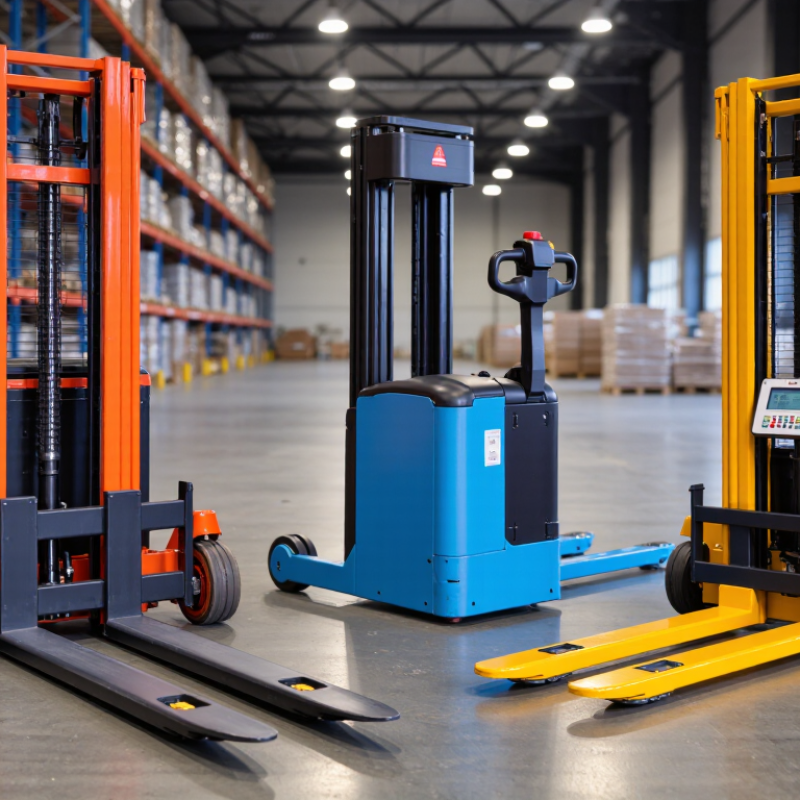
3-Ton Pallet Truck Types: Manual, Electric, High-Lift, and Weighing Models
2026 Best 3 Ton Pallet Truck Types for Global Buyers?
A 3-ton pallet truck must match the load, floor, and working rhythm. Manual models use hydraulic pumping and remain practical for short warehouse routes. They need no battery charging and usually tolerate simple operating conditions. Yet moving heavy pallets repeatedly can exhaust operators and slow loading work. Simple is not always efficient. Check handle height, steering effort, wheel material, and turning space before purchase.
Electric models support frequent transport across distribution centers, factories, and loading areas. Their powered drive reduces physical strain during long shifts. Choose carefully between different battery capacities and charging arrangements. Poor charging access can interrupt work. High-lift models raise pallets to a more comfortable handling height. They can reduce bending during order preparation, but their raised position may affect stability. Confirm the rated capacity at the required lift height, not only the headline three-ton figure.
Weighing models help operators record pallet weight during movement. This can reduce separate weighing steps and improve shipment checks. Accuracy may change on uneven floors, during sudden movement, or with poorly centered loads. Ask for calibration guidance and readable display performance. Global buyers should also review spare-part access, service training, climate suitability, and local operator practices. A trial with the actual pallet is valuable. Specifications alone can mislead. Load center distance matters.
Core Specs: 3,000 kg Capacity, 1,150 mm Forks, and 80 mm Lift
A 3,000 kg pallet truck suits heavy pallets, dense materials, and demanding warehouse shifts. However, rated capacity depends on load center, pallet condition, and floor quality. Never treat the headline figure as a universal working limit. Real handling can feel very different.
The 1,150 mm forks match many standard pallets and provide useful load support. Check fork entry openings before ordering. Some export pallets have narrower or damaged bottom boards. The 80 mm lift remains close to common low-lift pallet truck geometry. It raises loads enough for movement, but not for rack access. Confirm the pallet clearance first.
MHI’s 2024 Annual Industry Report identifies labor availability as a continuing supply-chain challenge. That makes steering effort, handle control, and wheel durability important purchasing factors. ISO 3691-5:2014 also emphasizes safety requirements for pedestrian-propelled trucks. Buyers should request capacity charts, brake details, and test records. In daily use, a smooth concrete floor may hide weaknesses. Uneven thresholds will expose them quickly. This is where specifications alone can mislead. A heavier frame is not automatically better if turning becomes difficult. Check the complete machine with a loaded pallet, not only its brochure data.
Drive Choices: 5–10% Gradeability and 24 V Battery Systems
For global buyers, a 3-ton pallet truck should match the route, load, and floor condition. A walkie pallet truck suits short warehouse movements, while a ride-on platform model handles longer travel with less operator fatigue. Choose 5% gradeability for level facilities with occasional ramps. Consider 8–10% when docks, yard transitions, or compact loading areas are unavoidable. A 10% slope rises 10 centimeters per meter. That sounds modest, but a full load changes braking distance and traction significantly.
A 24 V battery system remains practical for many 3-ton applications. Lead-acid batteries usually offer lower purchase cost and familiar maintenance routines. Lithium systems support faster opportunity charging and steadier voltage during repeated shifts.
The International Energy Agency reported global battery demand above 750 GWh in 2023, with LFP batteries exceeding 40% of electric-vehicle battery demand. This is not a pallet-truck statistic, but it signals improving battery supply and chemistry choice.
Buyers should still verify thermal management, charger compatibility, and replacement availability locally.
The European Commission’s JRC battery sustainability work highlights the importance of durability, repairability, and lifecycle management. That matters in smaller markets. Ask for measured gradeability with the rated load, not an unloaded laboratory figure. Check ramp length, tire compound, turning space, and daily operating hours. In field use, a cheaper 24 V truck can disappoint when charging access is limited. Sometimes, less capacity is the real problem. A careful site trial remains wiser than a polished specification sheet.
Global Buying Metrics: Duty Cycles, Aisle Width, IP Ratings, and TCO
2026 Best 3 Ton Pallet Truck Types for Global Buyers?
A 3-ton pallet truck must match the duty cycle, not just the rated capacity. Pedestrian electric models suit short, controlled routes. Ride-on versions work better for long warehouse travel. Heavy-duty designs fit loading docks, ramps, and frequent pallet movement. MHI’s 2024 Annual Industry Report found that 55% of respondents expect to adopt robotics and automation within five years. That trend makes measurable operating data more important.
Record operating hours, load weight, travel distance, stops, and charging time for seven days. A truck running 80 cycles per shift needs different battery capacity than one completing 25 cycles. Aisle width also matters. Measure the full turning path with the longest pallet, not an empty truck. One extra metre can reduce usable storage space. It can also prevent costly contact damage. I have seen buyers trust catalogue turning circles too quickly.
Tips: Check IP ratings under IEC 60529. IP54 handles limited dust and water exposure; IP65 provides stronger protection against dust and water jets. Neither rating guarantees safe high-pressure washing. For TCO, compare purchase price, battery replacement, tyres, planned service, energy, operator time, and downtime. The European Materials Handling Federation notes that lifecycle cost should include maintenance and productivity, not equipment price alone. A neat spreadsheet can still lie. Test the truck on the actual floor, ramp, doorway, and aisle before ordering.